
Musk doc moves up a week after rave reviews and legal threats
Alex Gibney's 225-minute Musk film hits theaters October 9, one week early, after Venice acclaim and a warning letter from Elon Musk's attorney.
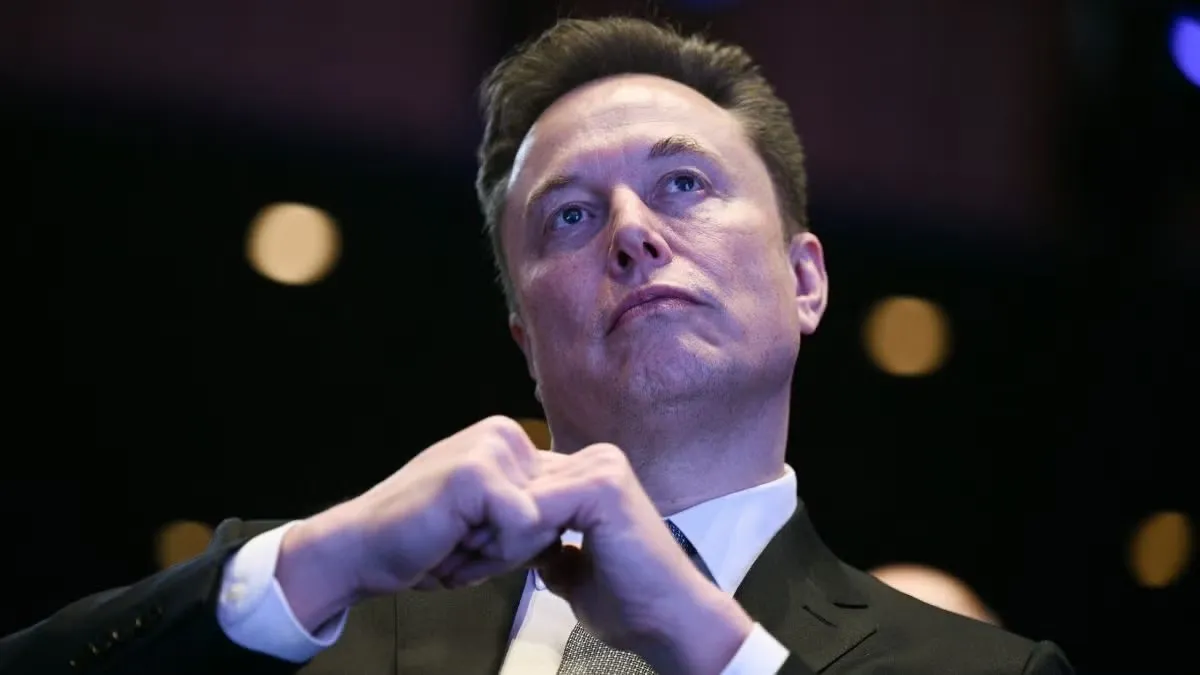
Bleecker Street moved Alex Gibney's 225-minute documentary "Musk" up one week to October 9 in New York and Los Angeles, following Venice acclaim and a legal warning from Elon Musk's attorney. The accelerated release pits the film directly against Aaron Sorkin's "The Social Reckoning" in a month of tech-giant cinema.
Bleecker Street has pulled Alex Gibney's searing 225-minute documentary "Musk" forward by one week, planting it in New York and Los Angeles theaters on October 9 with a nationwide expansion to follow. The move comes after the film premiered at the Venice Film Festival to widespread critical acclaim - and after Elon Musk's attorney, Alex Spiro, sent a warning letter to Gibney's Jigsaw Productions claiming the project began with a conclusion, not an inquiry. The release date shift means the film now lands in the same window as Sony's "The Social Reckoning," Aaron Sorkin's follow-up to "The Social Network," which examines Facebook's influence on world politics, including the January 6 Capitol riots. October is shaping up as a month where cinema takes direct aim at the giants of tech.
The documentary, which Musk did not participate in, traces the rise of the world's richest man from the son of an emerald mine investor to a Silicon Valley titan and, later, the owner of Twitter/X and a onetime confidante of Donald Trump as he shut down government agencies and fired thousands of federal employees through DOGE. At its center are interviews with Musk's former romantic partners, most notably ex-wife Justine Musk and former conservative influencer Ashley St. Clair, who called Musk a "nuke." TheWrap's Ben Croll wrote in his review: "Here is work meant less for us than for posterity, an ongoing obituary for a world and a global order in palliative care." The film includes a 10-minute intermission and uses an animated avatar of Musk that speaks actual quotes from his past public appearances, a creative choice that underscores the absence of any direct interview with the subject.
The legal pressure is as notable as the acclaim. Spiro's letter, sent after the Venice premiere, claimed that Musk's team had reached out to Gibney multiple times to present his side of the story and was refused. "While we are ardent supporters of the First Amendment, and respect the reporting process, it has become abundantly clear that the motivations behind this piece are not the pursuit of truth, but something far different. This project did not begin as an inquiry. It began with a conclusion," Spiro wrote. The letter continued: "You are on notice, before release, that the insinuation is false, that the material refuting it is public, and that you chose not to be told the rest." The documentary itself says it was denied a direct interview with Musk, and the premiere prompted a lengthy rant from Musk on X.
For executives and investors, the accelerated release is a strategic signal, not just a scheduling quirk. Moving a documentary up a week is rare, and doing so after a legal threat suggests the distributor sees a window of maximum cultural relevance. Musk's role at the center of the Trump administration's DOGE cost-cutting effort, which fired thousands of federal employees, has kept him in the news cycle, and the film's Venice reception gives Bleecker Street critical momentum. The timing also creates a direct collision with Sorkin's Facebook film, turning October into a two-front cinematic reckoning with the power of tech billionaires. That pairing is likely to amplify media coverage of both films, drawing comparisons between Musk's arc and Facebook's role in January 6.
The legal letter adds a layer of risk that distributors typically try to avoid. But Bleecker Street's decision to move the release earlier, rather than delay it, signals confidence that the film's factual foundation can withstand legal scrutiny. Spiro's letter does not threaten a specific lawsuit, but the phrase "on notice, before release" is a classic pre-litigation move designed to create uncertainty. For a documentary that relies on public quotes and interviews with former partners, the legal exposure is real but manageable. The bigger risk may be reputational: Musk's lengthy rant on X gives the film free publicity while also framing it as an attack, which could energize both supporters and critics.
The strategic stakes extend beyond this one film. Gibney is one of the most respected documentary filmmakers working today, and his decision to use an animated avatar speaking Musk's own words is a pointed editorial choice. It allows the film to present Musk's statements without granting him a platform, while also making the point that his public persona is itself a constructed performance. For boards and executives who have dealt with Musk's companies, the documentary is a reminder that his public record is now a permanent artifact, subject to interpretation by filmmakers, regulators, and historians. The film's title, simply "Musk," suggests a definitive portrait, and the early release date suggests the distributor believes the portrait will hold up.
For decision-makers, the practical takeaway is about the intersection of media, legal risk, and reputation. A well-funded legal threat from a powerful figure can pressure a distributor to delay, but Bleecker Street chose the opposite. That choice reflects a calculation that the cultural moment is worth more than the legal caution. It also reflects a broader trend: the documentary genre is becoming a battleground for the legacy of tech leaders, with films like "The Social Reckoning" and "Musk" arriving in the same month. Executives in tech, media, and politics should watch how these films perform, because they will shape the narrative that investors, employees, and regulators carry into 2026.
The bottom line: October 9 is now a date to watch. Two major films about tech power will be in theaters, one about Musk and one about Facebook, and both are arriving with critical momentum and legal controversy. For anyone who follows the business of influence, the real story is not just the films themselves, but the speed with which they are being pushed into the public square. Bleecker Street's decision to move up the release is a bet that the conversation is happening now, and that waiting a week would cost more than it saves. Whether that bet pays off will depend on audiences, critics, and the courts - but the signal is clear: the reckoning with tech's giants is not waiting for anyone.
This story's Key Insights and Take-aways are locked.
Create a free account to unlock Executive Actions for one credit.
Register to UnlockAlways free for Executives Club members. Join the Club
More in Entertainment
Adolescence scribe Jack Thorne: AI-cheating writers should be punished
The WGGB speech puts AI-generated scripts inside UK writers' rooms and raises the stakes for studios, showrunners, and talent reps.

Zen-like Zverev wins US Open, six years after final heartbreak
Alexander Zverev's composed game plan outlasted Ben Shelton's power to finally claim the title that slipped away in a previous final.

Zheng stuns Swiatek at US Open after another 5-0 comeback
The 22-year-old's second straight escape from 5-0 down sends the world No. 1 packing and reshapes the women's draw.