

Zen-like Zverev wins US Open, six years after final heartbreak
Alexander Zverev's composed game plan outlasted Ben Shelton's power to finally claim the title that slipped away in a previous final.

Alexander Zverev stayed 'zen-like' to beat Ben Shelton and win the US Open, six years after a heart-breaking final defeat. The victory signals that composure under pressure can be a decisive strategic asset for leaders and teams.
Alexander Zverev is a US Open champion. Six years after a heart-breaking defeat in the final, the German stayed 'zen-like' to beat Ben Shelton and lift the title, finally converting tennis's biggest stage into a triumph rather than a scar. The win is not just a line in the record book; it is a direct reversal of the narrative that has followed him since that painful final.
This was not a case of overpowering Shelton, a player whose explosive serve and fearless shot-making have made him the face of American tennis's new wave. Instead, Zverev won with composure. The coverage of the match repeatedly used the word 'zen-like' to describe his demeanor, a stark contrast to the more volatile version of Zverev who had lost his nerve in previous major finals. He refused to be rattled, even as Shelton's power dictated long stretches of play. That mental shift, more than any technical adjustment, was the difference between another heartbreak and a long-awaited celebration.
For context, Zverev had long been considered one of the most gifted players of his generation, but the Grand Slam title had become a source of external pressure and internal doubt. His previous final loss, the one referenced in every preview of this year's tournament, had become shorthand for an inability to close when it mattered most. This time, he changed the script. Instead of trying to out-hit his opponent, he outlasted him, using sharp returns and patient rally construction to neutralize Shelton's biggest weapons. It was a mature, calculated performance from a player who had every reason to tighten up.
The significance of this win extends far beyond Zverev's personal redemption. For a sport often defined by a small handful of dominant names, a new Grand Slam champion reshapes the commercial and competitive landscape. Sponsors and broadcasters are always hunting for fresh storylines, and Zverev's arc - from final heartbreak to zen-like triumph - is the kind of narrative that drives ticket sales, streaming numbers, and global media coverage. Shelton's run to the final, meanwhile, signals that the next generation is no longer waiting in the wings. They are already on court, serving at 140 miles per hour and daring the established stars to keep up.
There is also a tactical lesson here for anyone in a high-stakes role. Zverev's 'zen-like' approach under the brightest lights mirrors the composure that executives and founders need when a deal is collapsing, a product launch is going sideways, or a board meeting turns hostile. The ability to stay calm when every mistake is amplified is not just a personality trait; it is a competitive advantage. Zverev's six-year journey shows that past failures do not have to become future patterns unless you let them define your approach. The loss was real, but so was the growth that followed.
For leaders watching from outside tennis, the practical takeaway is to build systems and routines that keep you calm when the pressure peaks. Zverev did not stumble into this mindset. He prepared for it, and it showed in the way he handled the biggest points of the match. The same principle applies in business: the team that keeps its head while others are losing theirs often wins the contract, the negotiation, or the turnaround.
The US Open final will be remembered as the moment Zverev finally exorcised his demons. But the real story is not the trophy. It is how he got there - not by getting better at tennis, but by getting better at handling tennis. That is a playbook any leader can copy.
This story's Key Insights and Take-aways are locked.
Create a free account to unlock Executive Actions for one credit.
Register to UnlockAlways free for Executives Club members. Join the Club
More in Entertainment
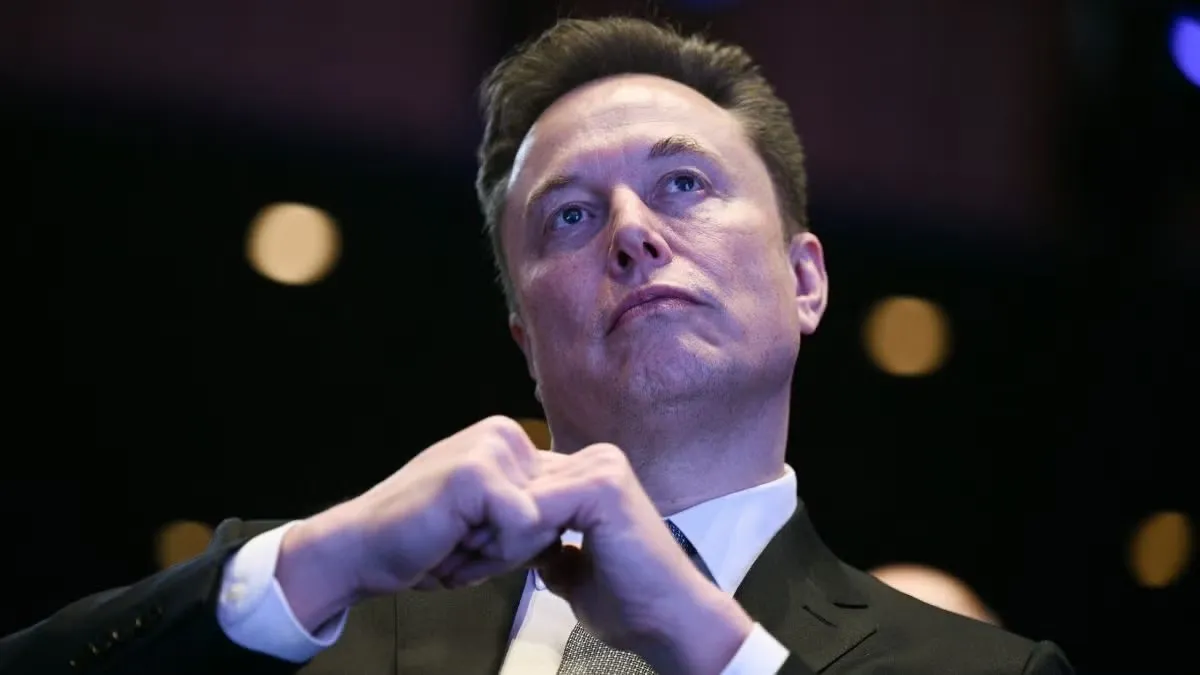
Musk doc moves up a week after rave reviews and legal threats
Alex Gibney's 225-minute Musk film hits theaters October 9, one week early, after Venice acclaim and a warning letter from Elon Musk's attorney.
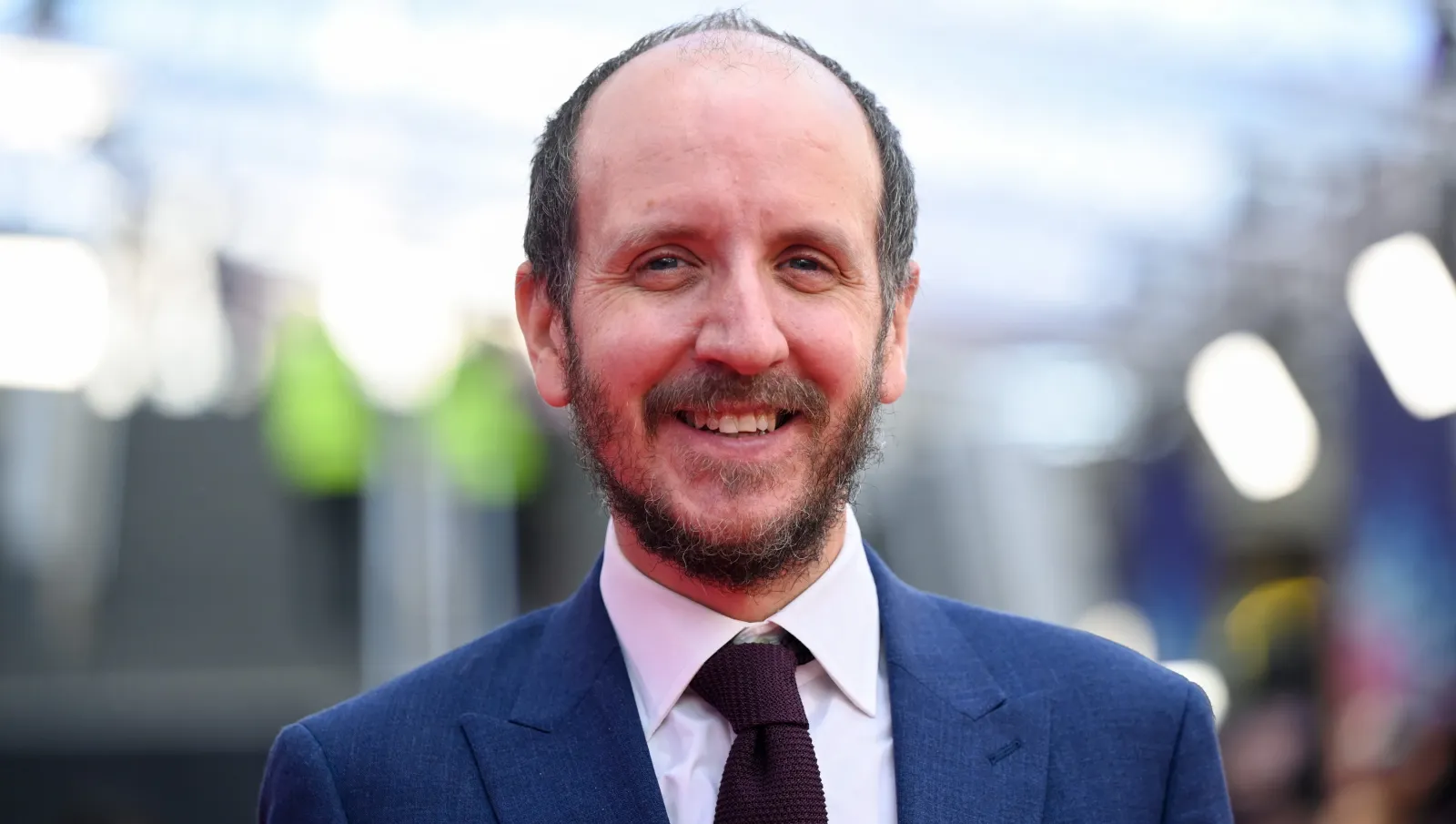
Adolescence scribe Jack Thorne: AI-cheating writers should be punished
The WGGB speech puts AI-generated scripts inside UK writers' rooms and raises the stakes for studios, showrunners, and talent reps.
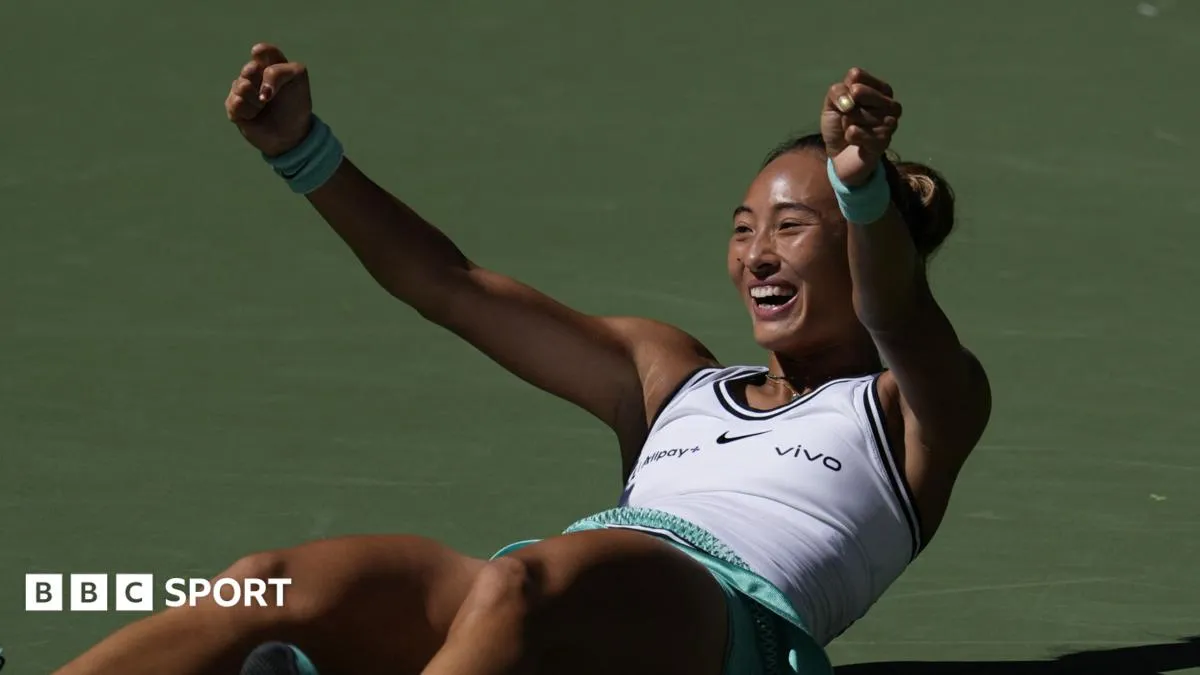
Zheng stuns Swiatek at US Open after another 5-0 comeback
The 22-year-old's second straight escape from 5-0 down sends the world No. 1 packing and reshapes the women's draw.