
Adrien Brody to Teyana Taylor: Why A-Listers Party With a Chicken Tender CEO
Raising Cane's founder Todd Graves has turned a single-menu chicken chain into a Hollywood social hub, and the earned-media math behind it is a playbook other consumer brands can copy.
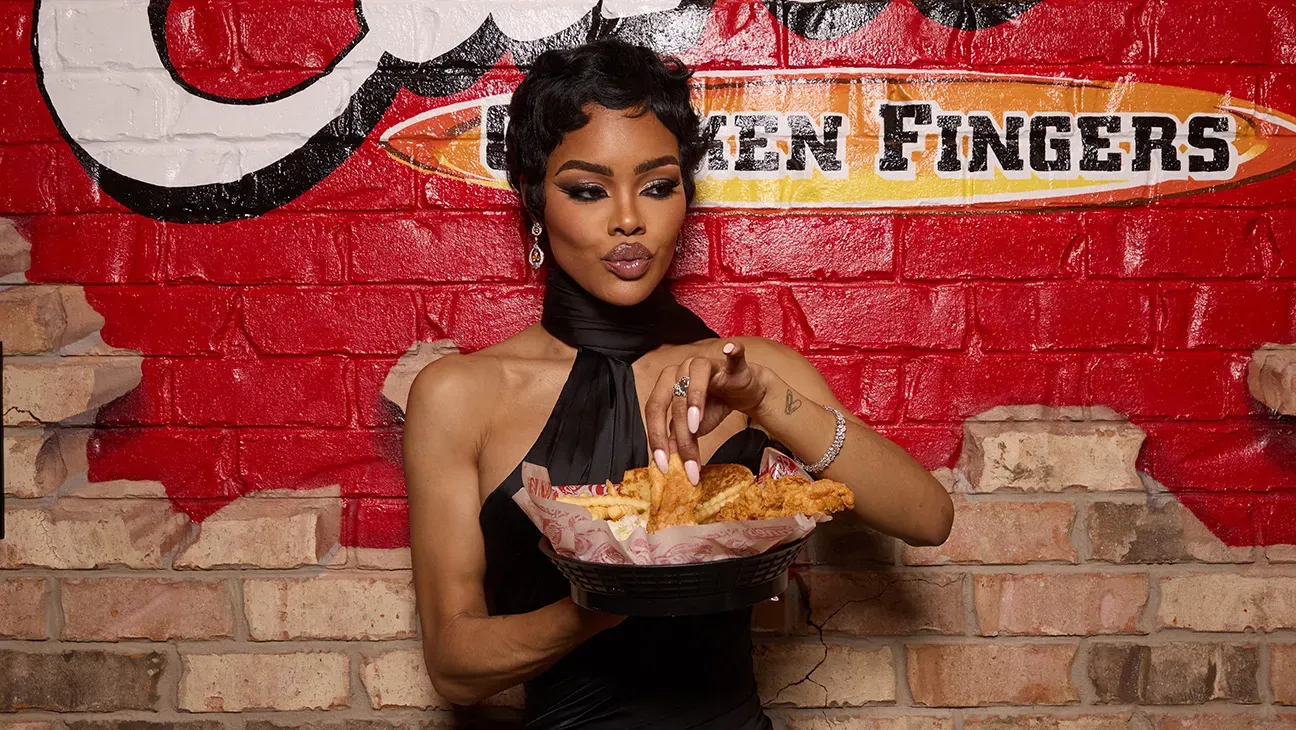
Raising Cane's CEO Todd Graves, who built the chicken tender chain into a national brand, is drawing celebrities including Adrien Brody, Teyana Taylor and Matthew Rhys to parties he throws, according to The Hollywood Reporter. For consumer-facing executives, the takeaway is that founder-led cultural capital, not ad spend, is increasingly what buys a brand a seat in the rooms where influence actually moves.
The guest list reads like a studio afterparty: Adrien Brody, Teyana Taylor, Matthew Rhys. The host sells chicken tenders. According to The Hollywood Reporter, celebrities are flocking to parties thrown by the charismatic CEO of Raising Cane's, the fast-food chain built on a deliberately narrow menu of chicken fingers, crinkle-cut fries, Texas toast, coleslaw and one signature dipping sauce. That is the entire story in a sentence, and it is a strange one. An executive whose product comes in a paper box has become a fixture in rooms usually reserved for studio chiefs, talent agents and awards-season strategists.
The CEO in question is Todd Graves, who founded Raising Cane's in Baton Rouge, Louisiana, in 1996 and still runs it. For context, that is a company that spent decades as a regional cult favorite before expanding into a national chain with hundreds of restaurants. It is also private, which matters more than it sounds. Public restaurant companies answer to quarterly earnings calls, and their marketing budgets get scrutinized line by line. A founder-owned chain can spend its cultural capital however it likes, and Graves has chosen to spend it on being personally, visibly present. That combination, a private balance sheet and a founder who is still the face of the company nearly three decades in, is the structural reason this story is possible at all.
That is the inversion worth paying attention to. For most of the last 40 years, the traffic between Hollywood and consumer brands ran in one direction: brands wrote checks, celebrities cashed them, and the resulting endorsement was a transaction with a contract attached. What The Hollywood Reporter describes looks closer to the opposite. The brand is not buying proximity to fame. The fame is showing up on its own, at parties the brand's CEO is throwing. Whether any of those appearances come with a fee is not something the reporting details, and that ambiguity is part of what makes the arrangement valuable. An unpaid appearance signals genuine affiliation. A paid one signals a media buy.
Why does that matter to anyone outside the chicken business? Because attention is the scarcest input in consumer marketing right now, and the price of buying it has climbed for years. Super Bowl spots, streaming inventory, influencer rates: all of it has gotten more expensive and less trusted at the same time. Against that backdrop, a founder who can fill a room with famous people without a media plan is running an arbitrage. The press coverage is the ad. The ad is free. And unlike a campaign, it compounds, because every party becomes a story and every story makes the next guest list easier to fill. A private chain with no quarterly ad-efficiency metric to defend can run that loop indefinitely.
There is a second-order effect here that consumer CEOs and their boards should sit with. When the founder is the marketing channel, the founder is also the risk. A brand that lives on its CEO's personal magnetism has concentrated its reputational exposure in a single human being. That is a real trade: it buys authenticity and speed, and it sells diversification. Companies that lean this hard on a personality typically discover the downside only when the personality has a bad week. The mitigation is not to stop. It is to build institutional assets alongside the personal ones, so the brand survives the founder's absence from the room.
It also says something about where cultural influence is pooling. Hollywood and the restaurant industry used to meet at the level of product placement and franchise tie-ins. Now they meet at the level of the founder's social calendar. That is a softer, cheaper and arguably stickier form of partnership, and it is available to almost any consumer company whose leader is willing to be a public character rather than a corporate spokesperson. The barrier is not budget. It is temperament, and temperament does not show up on a balance sheet.
For peers in similar seats, the strategic question is not whether to throw a party. It is whether your company has a human being who can hold a room without a script, and whether your board is comfortable with that person being the brand. Raising Cane's appears to have answered yes on both counts. The celebrities are the proof, and the proof is the marketing. For every operator watching, the lesson is that the cheapest distribution channel in consumer goods may be a leader with a personality people actually want to be around.
This story's Key Insights and Take-aways are locked.
Create a free account to unlock Executive Actions for one credit.
Register to UnlockAlways free for Executives Club members. Join the Club
More in Entertainment
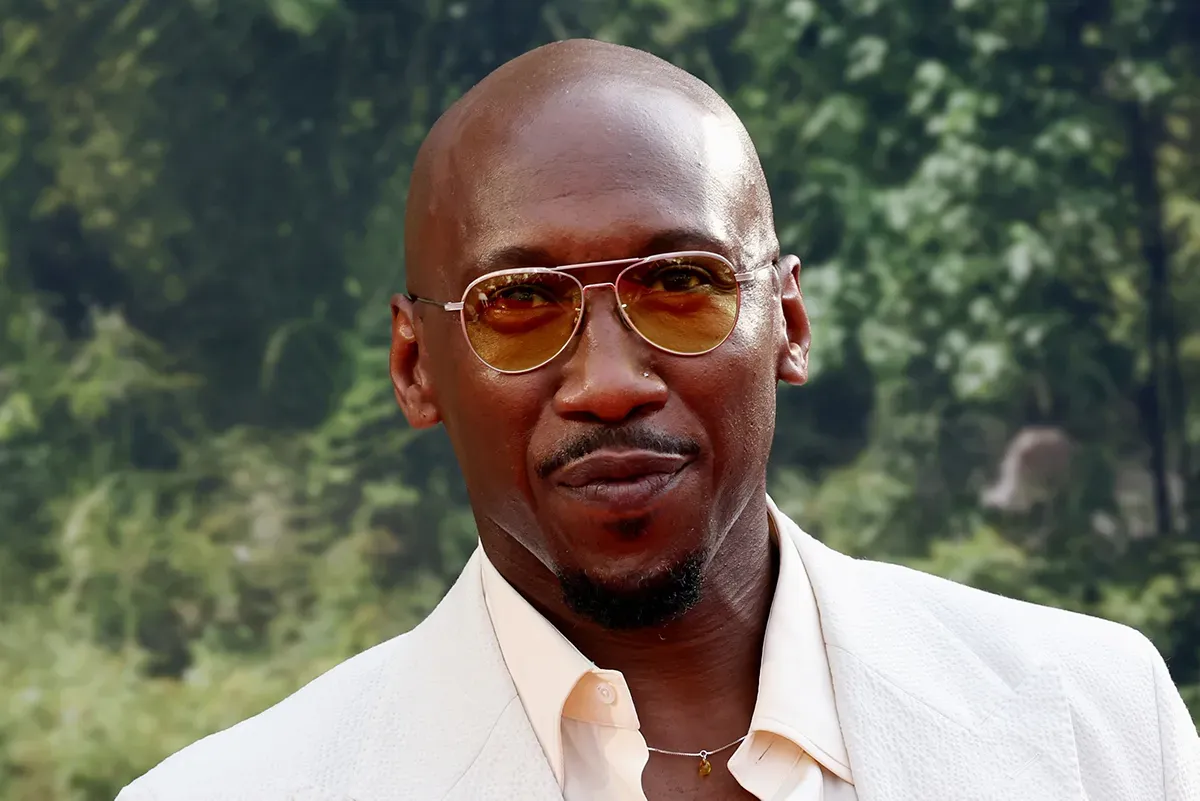
Mahershala Ali's Two Oscars Buy Him Nothing: 'There Are Not Roles for Me'
The two-time Oscar winner told the 7PM in Brooklyn podcast that his trophies do not unlock work in 'the vast majority of projects,' a blunt read on what Hollywood's franchise economy actually rewards.
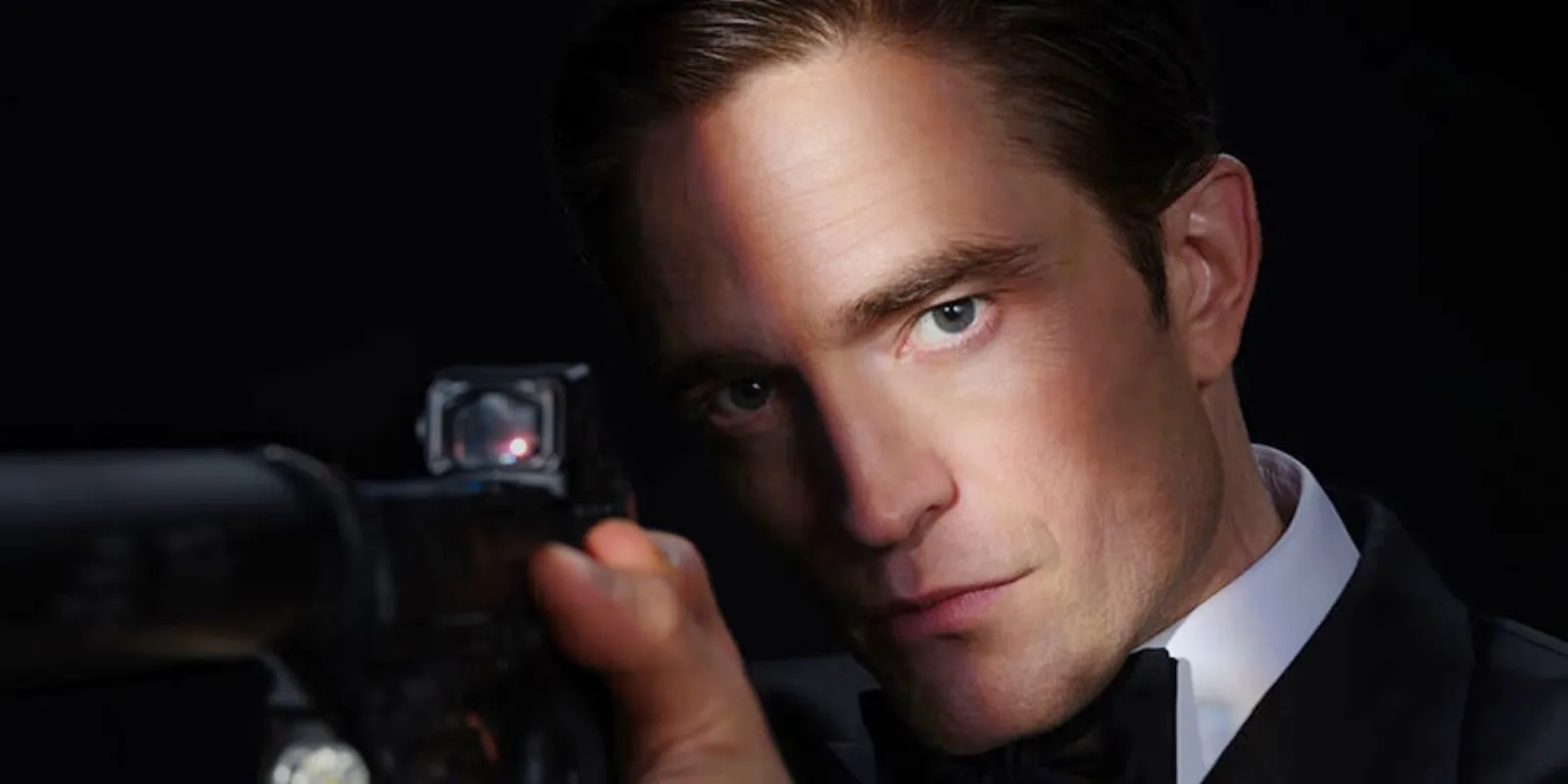
Robert Pattinson Is 007: Amazon's Bond Pick Sends a Divisive Film Surging
Amazon confirmed Pattinson as Bond under Denis Villeneuve, and within days the franchise's most controversial entry started climbing the streaming charts, a reminder that casting is catalog strategy.

GTA 6 Ate Nearly a Quarter of Comcast's Traffic on Its Biggest Day
Comcast says the November 19 launch pushed network traffic 31% above an average day, and the fine print on its own chart is the part operators should read twice.