
Mahershala Ali's Two Oscars Buy Him Nothing: 'There Are Not Roles for Me'
The two-time Oscar winner told the 7PM in Brooklyn podcast that his trophies do not unlock work in 'the vast majority of projects,' a blunt read on what Hollywood's franchise economy actually rewards.
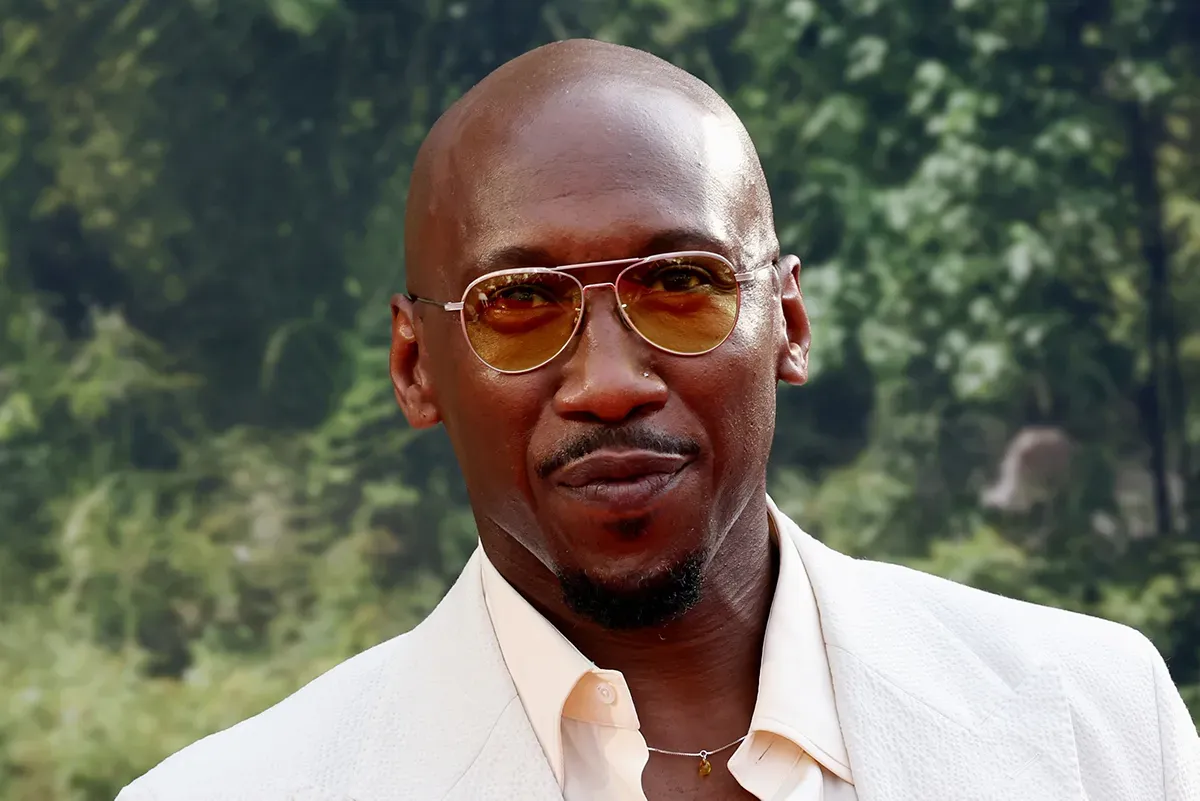
Mahershala Ali, a two-time Academy Award winner for best supporting actor, said on the 7PM in Brooklyn podcast hosted by Carmelo Anthony and Kazeem "Kaz" Famuyide that his Oscars "doesn't matter" because "there are not roles for me" in "the vast majority of projects." The admission is a live case study for any leader who assumes a top credential still functions as a moat once the buyer's decision criteria change.
Mahershala Ali has two Academy Awards for best supporting actor, including one for 2018's "Green Book," and he wants you to know exactly what they have bought him in Hollywood: not much. Appearing on a recent episode of "7PM in Brooklyn," the podcast hosted by Carmelo Anthony and Kazeem "Kaz" Famuyide, Ali said it "doesn't matter" that he has won twice, because "there are not roles for me" in "the vast majority of projects." Then came the line that actually stings: "You're like everybody else waiting." A two-time Oscar winner, describing his own career in the language of a queue.
That is the whole story in one sentence, and it is worth sitting with. Ali is not saying the Oscars are worthless. He is saying they are not a key. The phrase "the vast majority of projects" is doing the heavy lifting here: he is not claiming there are zero roles for him, he is saying the default answer is no, and the exceptions get negotiated one at a time, by agents, against budgets and release dates. The trophy sits on the shelf. The phone still has to ring.
Why is the default no? Follow the money. Theatrical slates at the major studios are built around pre-sold intellectual property: franchises, sequels, reboots, adaptations, and brand extensions. In that math, the lead is usually a character the audience already knows, and the rest of the cast is assembled to hit a budget and a release date. The mid-budget adult drama, historically the genre that converted prestige into leading roles, has largely migrated to streaming, where volume is lower and greenlights are driven by engagement data rather than by a director's wish list.
Historically, an Oscar bought a window: a bump in quote, a stack of scripts, a few months of leverage. What it never did was change the underlying demand curve. If the industry is making fewer of the films that need a Mahershala Ali, no number of statuettes conjures them into existence. The scarcity he is describing is structural, not personal, and that is precisely why it is worth paying attention to. A market that cannot absorb a two-time winner has a supply problem, not a talent problem.
Add the global lens. Films are underwritten against worldwide box office, which pushes casting toward names that travel and roles that translate without explanation. Meanwhile, television and limited series have absorbed a large share of prestige talent, which raises the competition for the roles that do exist. Ali's word, "waiting," is the right one. The queue is long, it is full of decorated actors, and it does not move faster because you have given a good acceptance speech.
None of this means awards are irrelevant. They still function as a marketing engine for the projects that already exist, and they can help smaller films get financed and noticed. What Ali is puncturing is the assumption that the honor changes the shape of the market for the person holding it. The award travels with the film. It does not travel with the actor into the next pitch meeting.
The second-order effects run through the whole ecosystem. For talent representatives, awards season looks less like a career accelerator and more like a marketing expense with a short half-life. For studios, it is a reminder that prestige is an asset you can sell, not an input you can cast. For the awards bodies themselves, Ali's comment is an uncomfortable data point: if the industry's highest honor does not reliably change access, then the ceremony's value proposition rests more on marketing than on mobility.
There is a version of this in every industry. Credentials, rankings, awards, and elite logos are signals, and signals only work when the buyer's decision criteria reward them. When the criteria shift, the signal keeps its prestige and loses its purchasing power. Ali is describing a market where buyers want IP, scale, and global reach, and where a two-time Oscar winner is a nice-to-have rather than a must-have. That is not a Hollywood problem. It is a pricing problem, and it shows up wherever a credential has outlived the demand that created it.
The practical read for anyone holding a credential they assume is a moat: test whether it still maps to what the people writing the checks actually need. Ali's candor is rare because it punctures a story the industry tells about itself, the one where the trophy is the door. The trophy is real. The door is not automatic. And "you're like everybody else waiting" may be the most honest sentence about leverage in Hollywood this year.
This story's Key Insights and Take-aways are locked.
Create a free account to unlock Executive Actions for one credit.
Register to UnlockAlways free for Executives Club members. Join the Club
More in Entertainment
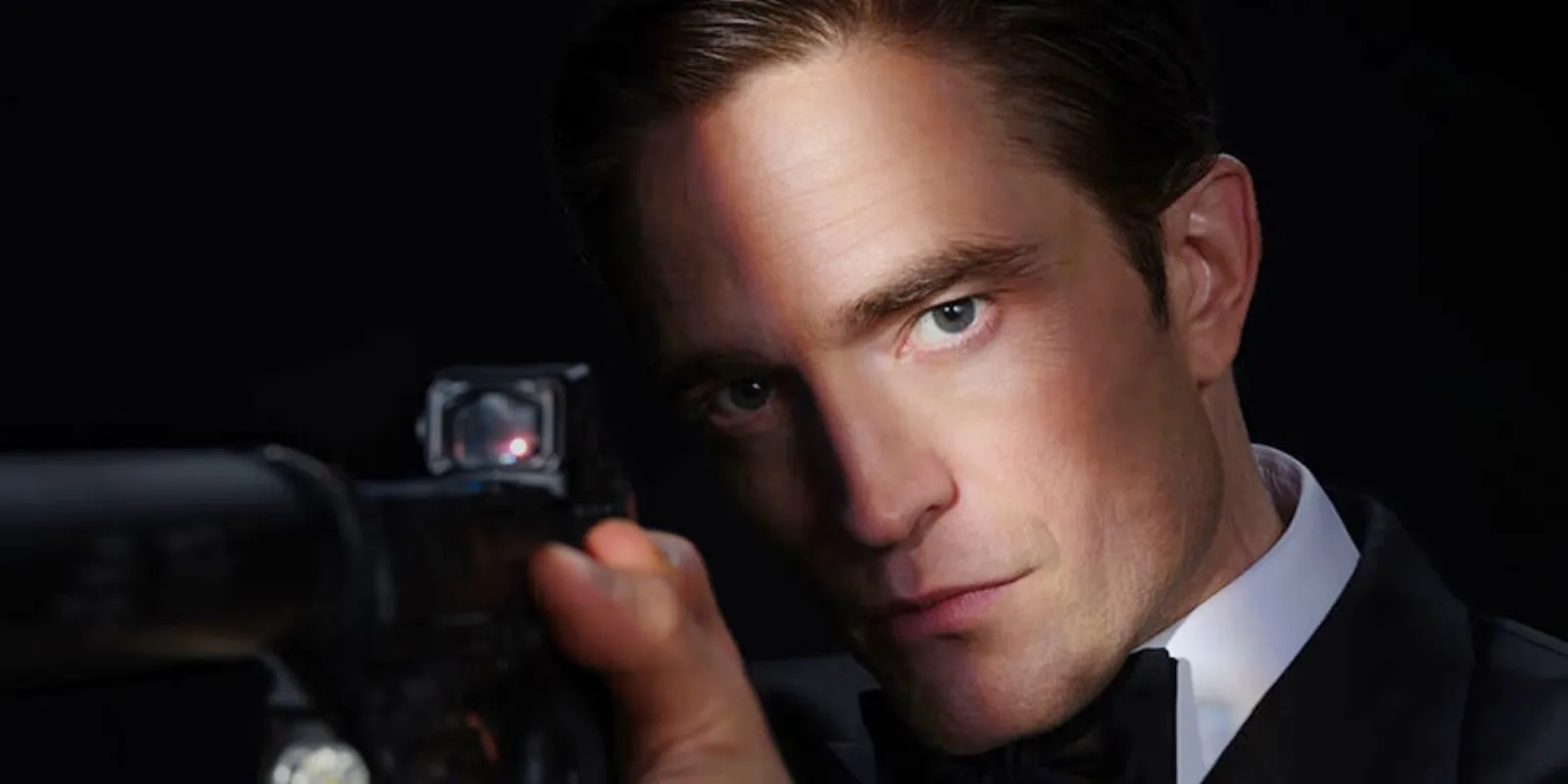
Robert Pattinson Is 007: Amazon's Bond Pick Sends a Divisive Film Surging
Amazon confirmed Pattinson as Bond under Denis Villeneuve, and within days the franchise's most controversial entry started climbing the streaming charts, a reminder that casting is catalog strategy.

GTA 6 Ate Nearly a Quarter of Comcast's Traffic on Its Biggest Day
Comcast says the November 19 launch pushed network traffic 31% above an average day, and the fine print on its own chart is the part operators should read twice.
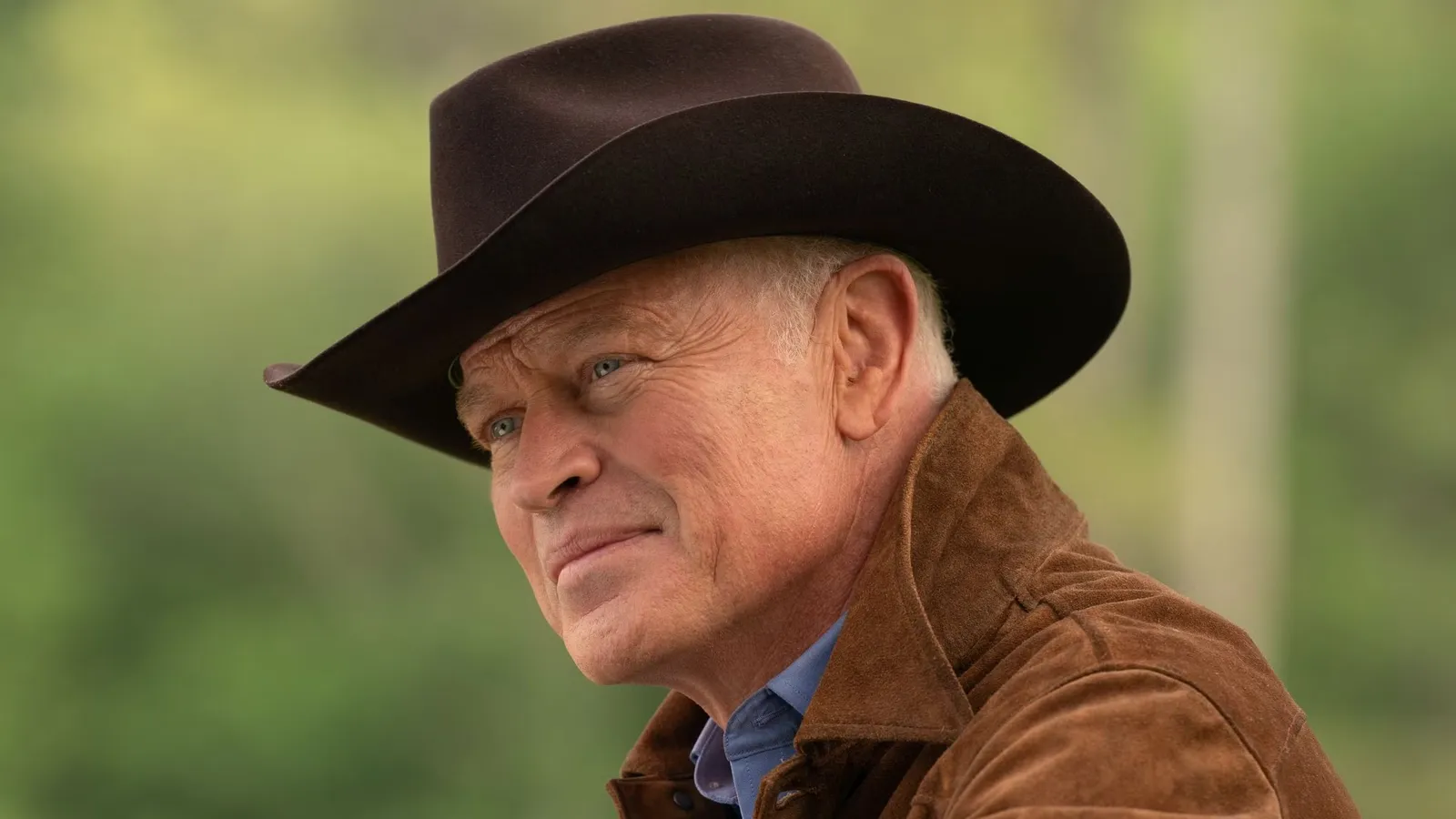
Taylor Sheridan Ditches Grim for Zany Comedy in Tulsa King Spinoff
The Sicario and Hell or High Water writer is dropping a mob hitman into sun-soaked Texas suburbs for laughs, a genre pivot that tests how much of a franchise's value lives in its tone.