
Anthropic's record IPO lands a day before Nvidia's longest losing streak since 2008
Anthropic's record Nasdaq debut and Nvidia's longest weekly losing streak since 2008 landed within 24 hours of each other, and the contrast shows how fast the market is re-pricing the AI trade.

Anthropic, the AI lab led by CEO Dario Amodei, held a record Nasdaq debut one day before Nvidia closed out its longest weekly losing streak since 2008, in what CNBC called tech's worst week on Wall Street since 2020. The timing puts a public price on the gap between AI model economics and AI hardware sentiment, forcing every board that funds compute to ask which of the two the market is actually valuing.
Anthropic's Nasdaq debut was historic, and the timing could hardly be more loaded. The AI lab went public one day before Nvidia closed out its longest weekly losing streak since 2008, in a stretch CNBC framed as tech's worst week on Wall Street since 2020. Put those two sentences side by side and you have the defining tension of this market: the newest public pure-play on frontier AI models walked onto the floor in the same week the company whose chips power those models was getting sold.
For context on why the pairing matters: Anthropic is the AI lab co-founded by former OpenAI researchers and led by CEO Dario Amodei, and CNBC described its listing as a record IPO. Nvidia designs the graphics processors that most large-scale AI training and inference runs on, and its stock has spent years functioning as the market's cleanest, most liquid proxy for AI enthusiasm. Nvidia CEO Jensen Huang's company is not a side character in the Anthropic story. It sits underneath it. When the proxy falls for a full week, that is not a chip story. That is the market repricing the build-out.
That distinction is where the second-order risk lives. AI labs do not typically buy chips directly at the scale that matters; they rent compute from cloud providers, which buy in bulk and sign multi-year capacity commitments. Those commitments get underwritten against expected demand for models. If public investors start questioning the durability of AI spending, the pressure does not land only on Nvidia's multiple. It travels to the terms on which the next tranche of compute gets financed, and to the cost structure of every lab that depends on it. A record listing and a sharp sector slide in the same week is the market saying it is not sure those two things deserve the same multiple.
Then there is the mechanical story of taking a company public into a falling tape. An IPO is priced against a moving benchmark. Bankers build a book over days, gauge demand, then set a number, and that number is a snapshot of a market that may not exist by the time the stock trades. Debuting in a week when the sector's bellwether is bleeding means the deal is being judged against volatility rather than against the fundamentals the roadshow sold. What happens after the first print matters just as much: lockup schedules, index eligibility, and the slow conversion of employee equity into a mark-to-market number people check on their phones.
Zoom out, and the historical comparisons are doing real work. Nvidia had not logged a weekly losing streak this long since 2008, the year of the financial crisis. Tech had not had a week this bad since 2020, the pandemic shock. Both dates are shorthand for moments when the market abruptly re-rated what it was willing to pay for growth. That does not mean this week was another 2008 or another March 2020. It means the market reached for its crisis vocabulary, and that vocabulary is a signal in itself.
The human consequences show up fast inside a newly public company. Employees who spent years holding illiquid paper suddenly hold a liquid asset with a daily price, and their compensation, recruiting pitch, and retention math all change overnight. Early investors get a real exit window. Competitors get a public comparable they can point to, or hide from, in their own fundraising conversations. And the private AI labs still weighing whether to test the public market now have a fresh data point about what happens when your debut collides with a sector-wide drawdown.
The strategic read for boards is not that AI is over. It is that the model trade and the hardware trade have been treated as one trade, and this week tested whether that assumption holds. If it does not, the winners will be the operators who can separate the two: the ones who can keep financing compute when sentiment sours, keep hiring when equity gets volatile, and keep a credible story about revenue when the market stops paying for the story alone. Anthropic chose to list at the top of the cycle. Nvidia spent the same week reminding everyone what the bottom of a week looks like.
This story's Key Insights and Take-aways are locked.
Create a free account to unlock Executive Actions for one credit.
Register to UnlockAlways free for Executives Club members. Join the Club
More in Business
New World's HK$24.9B rights issue triggers 41% plunge as HK$50B debt target looms
New World Development has three levers left to erase up to HK$50 billion in borrowings by 2031, and shareholders just told the market what they think of the first one.
Chip supply chain warns new US export controls will spread beyond the target list
Suppliers, distributors and equipment makers say the latest US restrictions will not stay contained to the firms named on paper, putting orders, inventory and delivery timelines at risk across the global chip chain.
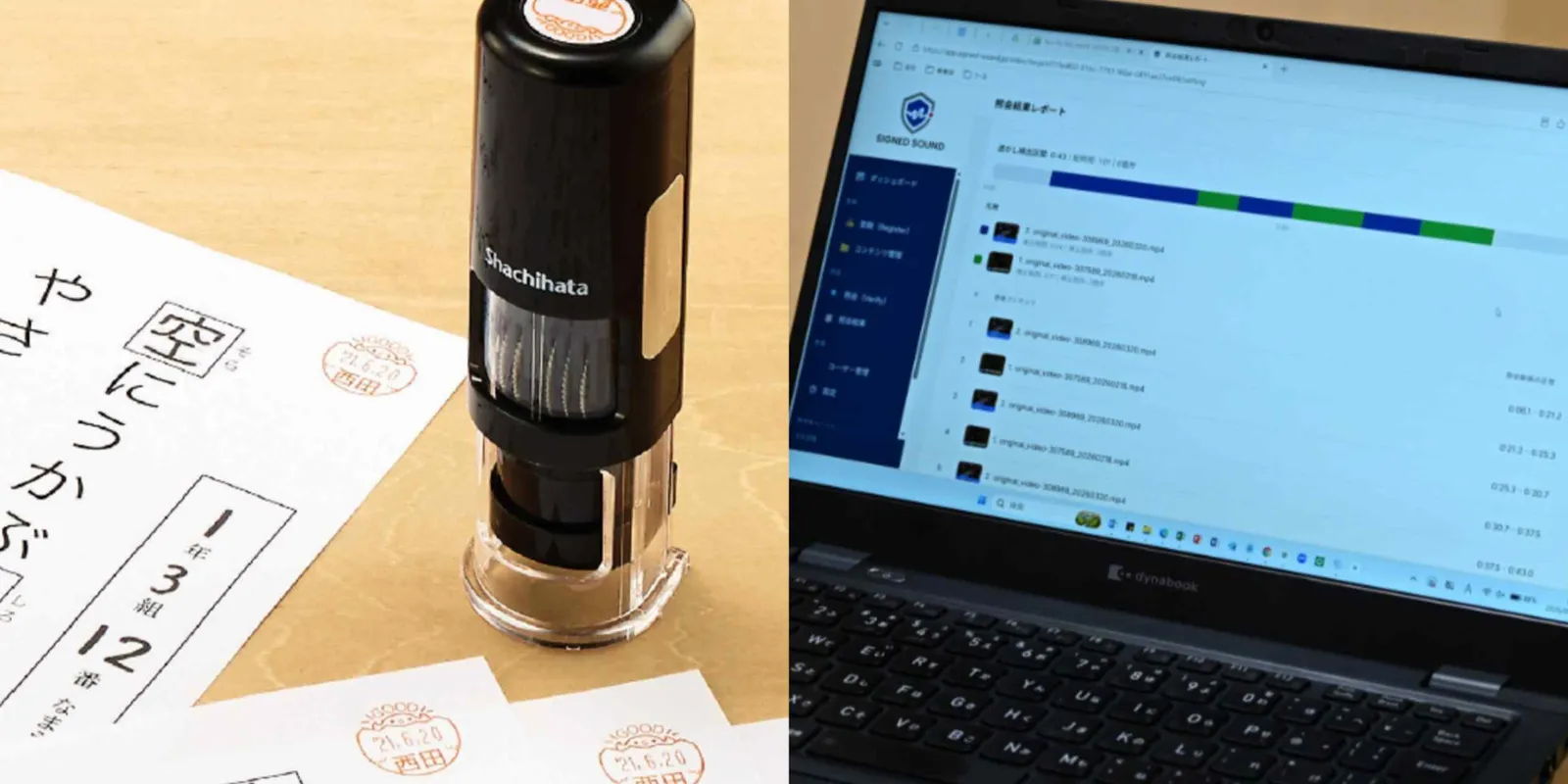
Japan's stamp maker pivots to AI, authenticating videos on X
A company built on registered seals that make contracts legally binding is betting the same trust logic can verify deepfake-era video on the platform where clips travel fastest.