

New World's HK$24.9B rights issue triggers 41% plunge as HK$50B debt target looms
New World Development has three levers left to erase up to HK$50 billion in borrowings by 2031, and shareholders just told the market what they think of the first one.
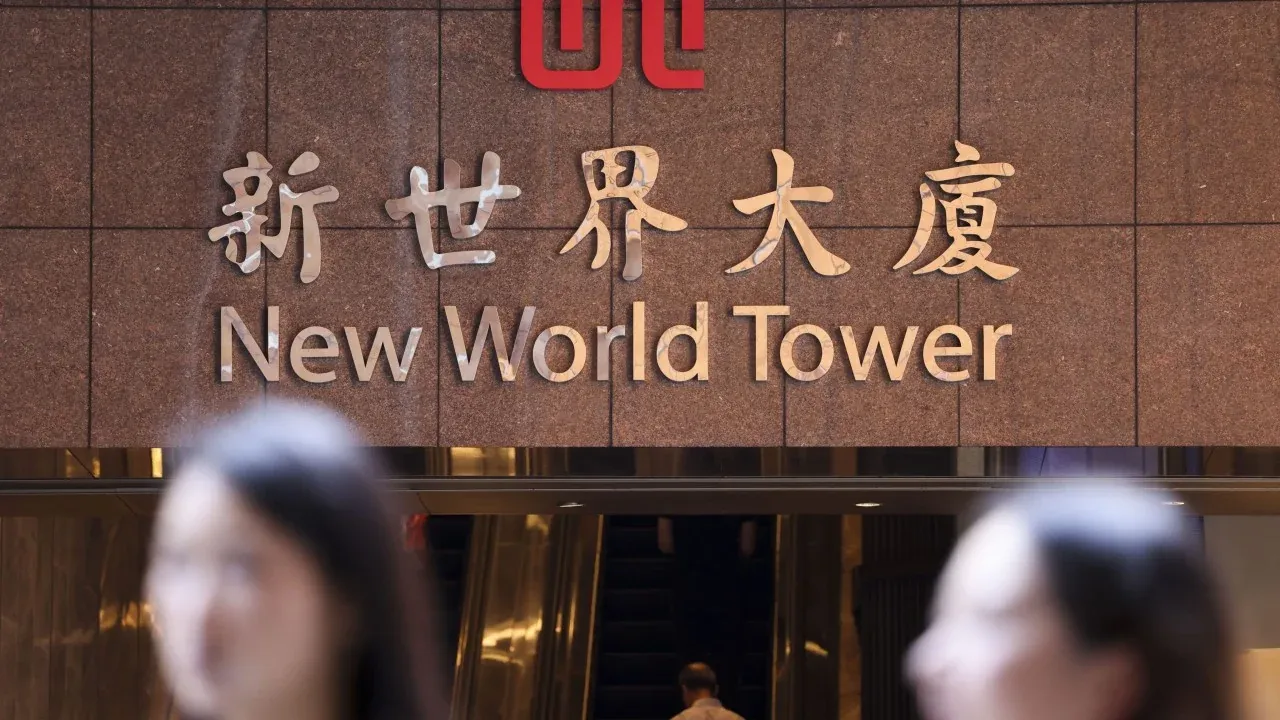
New World Development is pursuing a HK$24.9 billion rights issue to fund a debt-reduction plan targeting up to HK$50 billion (US$6.4 billion) in borrowings cut by the end of 2031, using property sales, mainland real estate investment trusts, and strategic investors. The 41 per cent share plunge that followed the announcement shows the cost of asking shareholders to fund a deleveraging story, a trade-off every leveraged developer and its board now has to price.
New World Development's proposed HK$24.9 billion rights issue landed like a slap. When trading resumed after the announcement, shares in the Hong Kong developer plunged 41 per cent, a reaction that tells you how investors read the plan: not as a vote of confidence, but as a bill. The cash is meant to fund the next phase of a debt-reduction programme that targets up to HK$50 billion (US$6.4 billion) in borrowings cut by the end of 2031. That is the trade on the table. A multi-year deleveraging marathon, a shareholder base that has already registered its verdict, and a company that now has to prove the money buys more than time.
The company has named three levers for the next phase: property sales, mainland real estate investment trusts, and strategic investors. Read that list closely, because each one asks a different constituency to absorb risk. Property sales convert bricks into cash, but only at whatever price the market will pay today. Mainland REITs let the developer package income-producing assets and sell units to public investors, recycling capital without surrendering the operating platform outright. Strategic investors bring fresh equity and, usually, a harder negotiation over price and control. None of the three is a quick fix, and all three depend on buyers showing up.
A rights issue is a blunt instrument. The company offers existing shareholders the right to buy newly issued shares, typically at a discount to the market price. Those who participate keep their slice. Those who do not get diluted, and the discount means the dilution bites immediately. That mechanics explains the 41 per cent drop and the sharp backlash the proposed fundraising has triggered, a backlash that has drawn in minority shareholders who face a choice between writing another cheque and watching their stake shrink. For a developer, the appeal is speed and certainty relative to a drawn-out asset sale. For shareholders, it is a transfer of risk onto their own balance sheets.
For context, Hong Kong's listed developers have historically run on leverage, funding land banks and construction with debt and refinancing it as projects complete. That model works when asset prices rise and credit is cheap. It strains when both reverse, and it strains hardest for developers with heavy mainland exposure, where the property sector's long downturn has weighed on valuations and buyer confidence. New World's plan is best understood against that backdrop: a company choosing to raise equity now rather than wait for a market that may not cooperate.
The REIT route is the most interesting of the three. Spinning income-producing assets into a listed trust converts a lumpy, illiquid portfolio into tradable units and a recurring fee stream for the sponsor. It also creates a public price for assets that were previously marked by appraisers, which cuts both ways: transparency can reassure lenders, or it can reveal that the book value was optimistic. Expect any such move to be scrutinised as much for what it says about valuations as for the cash it raises.
Strategic investors are the wildcard. A meaningful equity injection from a deep-pocketed partner can stabilise the story overnight, but the terms rarely come cheap. Investors stepping into a deleveraging situation typically want a discount, board influence, or preferential rights over assets. The question for New World's board is whether the price of that capital is lower than the cost of waiting.
The arithmetic is unforgiving. Cutting up to HK$50 billion by the end of 2031 means roughly HK$8 billion a year on a straight-line basis, and the rights issue covers only part of that. The rest has to come from asset sales, REIT listings, and partner capital, each of which is sensitive to market conditions the company does not control. That is why the 41 per cent share reaction matters beyond sentiment: a lower share price raises the cost of any future equity, weakens the currency a developer can offer in a deal, and makes lenders and counterparties more cautious.
For peers and boards watching from the sidelines, the lesson is about sequencing. Raising equity before asset sales are agreed means accepting dilution at the moment of maximum uncertainty. Waiting means risking a worse market. New World has chosen the first path, and the next twelve months will show whether property sales, REIT structures, and strategic partners can deliver the cash the plan assumes. The 2031 target is the headline number. The real test is whether the company can hit it without coming back to shareholders a second time.
This story's Key Insights and Take-aways are locked.
Create a free account to unlock Executive Actions for one credit.
Register to UnlockAlways free for Executives Club members. Join the Club
More in Business
Anthropic's record IPO lands a day before Nvidia's longest losing streak since 2008
Anthropic's record Nasdaq debut and Nvidia's longest weekly losing streak since 2008 landed within 24 hours of each other, and the contrast shows how fast the market is re-pricing the AI trade.
Chip supply chain warns new US export controls will spread beyond the target list
Suppliers, distributors and equipment makers say the latest US restrictions will not stay contained to the firms named on paper, putting orders, inventory and delivery timelines at risk across the global chip chain.
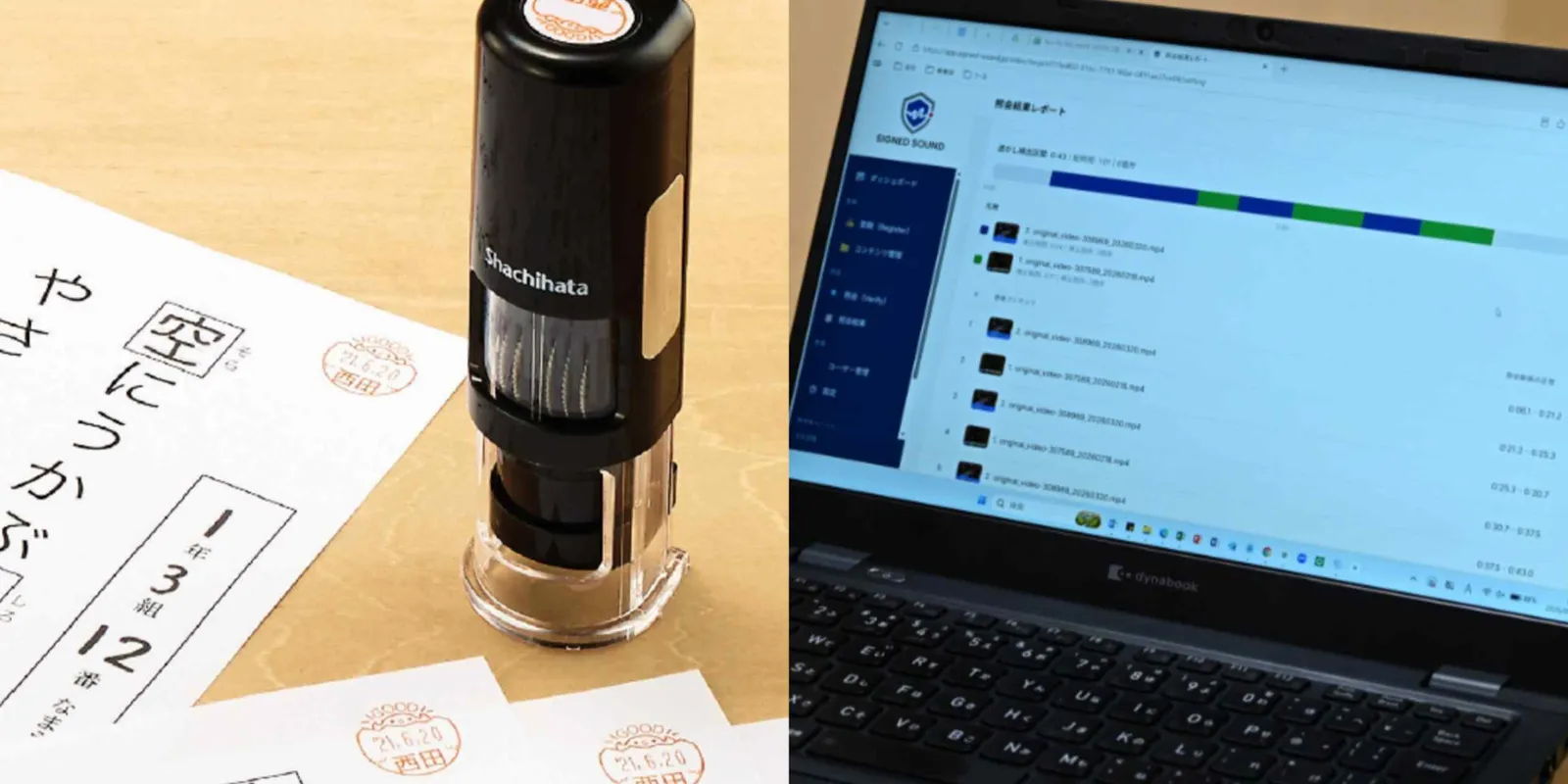
Japan's stamp maker pivots to AI, authenticating videos on X
A company built on registered seals that make contracts legally binding is betting the same trust logic can verify deepfake-era video on the platform where clips travel fastest.