

Japan's stamp maker pivots to AI, authenticating videos on X
A company built on registered seals that make contracts legally binding is betting the same trust logic can verify deepfake-era video on the platform where clips travel fastest.
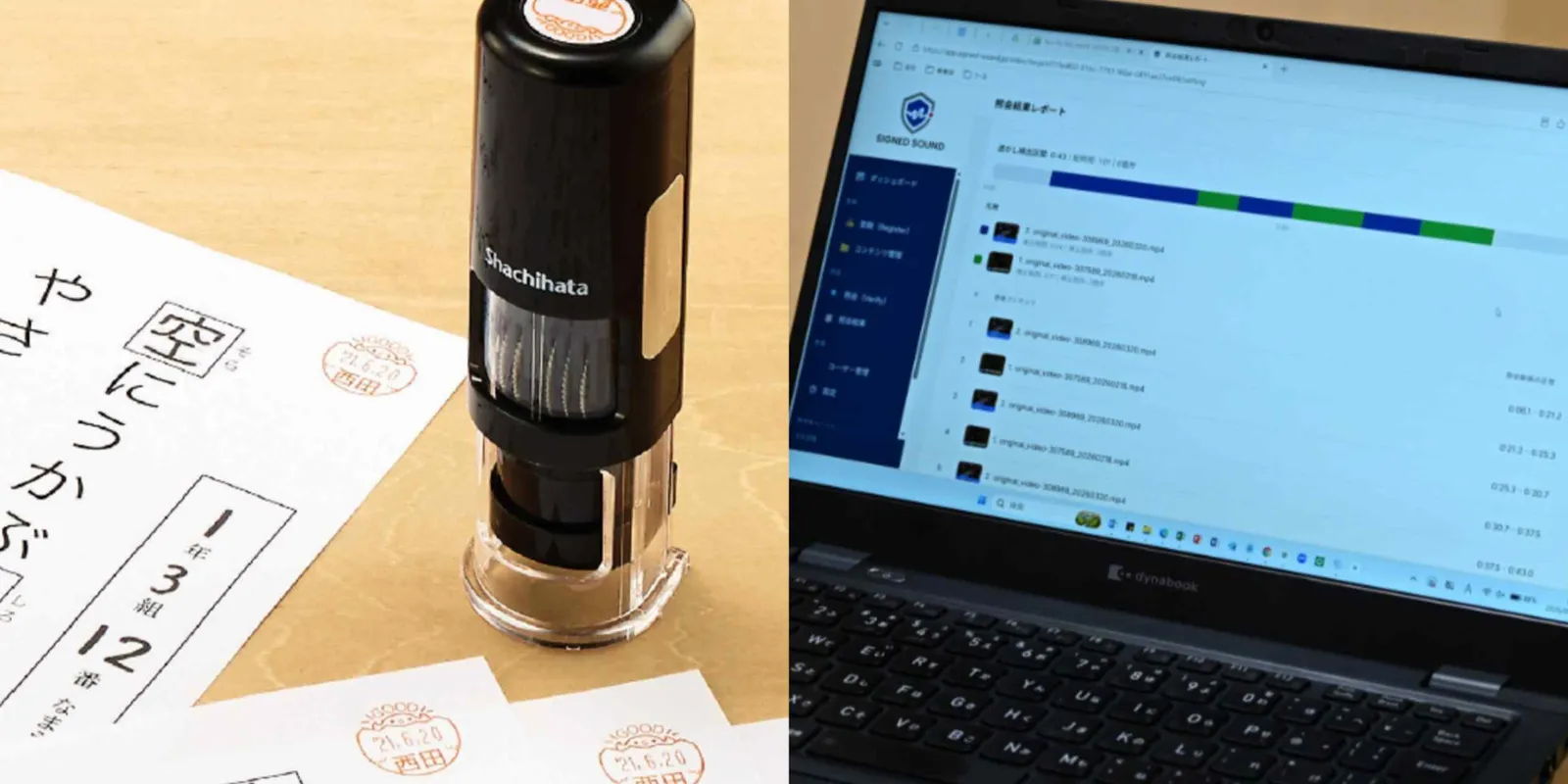
A Japanese stamp maker, the kind of firm that has long produced the registered hanko seals used to execute contracts and bank paperwork in Japan, is moving into AI by authenticating videos posted on X, Nikkei Asia reported. For decision-makers, the move is a live test of whether a trust franchise built on paper and physical uniqueness can be repriced into software at the exact moment platforms are losing the ability to tell real footage from generated footage.
A Japanese stamp maker, the kind of company that has spent decades making and registering the hanko seals that stand in for signatures on everything from apartment leases to bank paperwork, is now in the business of proving that a video posted on X is genuine. Nikkei Asia reported the move. On its face it is the strangest pairing in tech this year: the most analog product in Japan meeting the most chaotic feed on the internet. Strip away the novelty and the logic snaps into place. A hanko is not decoration. It is a verification device, and verification is exactly what video on X does not have.
Here is what a hanko actually does, because it explains the strategy. In Japan a registered seal carries legal weight in a way a Western signature rarely does. Companies and individuals keep separate seals for contracts, bank accounts and official filings, and the seal's authority comes from a stack of checks: registration with local government, physical uniqueness, and the fact that a counterparty can inspect it. That is a trust system built in wood, ink and bureaucracy, and it survived because both sides of a deal accepted the same standard. It got stress-tested when remote work arrived and Japan discovered that its paper-and-seal workflows were a national bottleneck, a moment that pushed the country into a much harder push on digitization. The lesson for the seal industry was blunt: when trust moves into software, whoever owns verification owns the relationship.
So the company is doing what a verification business arguably has to do. It is pointing that franchise at the fastest-growing category of unverifiable content. Video is now cheap to fake and expensive to check. Generative models turn out plausible clips of public figures in minutes, and the cost of producing a convincing fake has collapsed while the cost of disproving one has not moved nearly as fast. The technical fix the industry has converged on is provenance: sign or watermark content at the point of capture, then let anyone downstream confirm that signature has not been altered. For context, the C2PA standard, developed with backing from Adobe, Microsoft, the BBC and others, has been building exactly this kind of content credentialing for several years. The hard part has never been the cryptography. It is adoption: a provenance check is only as good as the number of cameras, apps and platforms that sign content in the first place.
Picking X as the first surface is the interesting bet. X is where a clip can go from an anonymous post to a cable news chyron in a few hours, and where the old identity signals have thinned out. Paid blue checks turned a once-scarce badge into a subscription, which muddied the simplest question a viewer asks: who is behind this account? Community Notes crowdsources context after the fact, which is fast, retrospective and dependent on a critical mass of informed users showing up. A verification layer that runs at the point of upload attacks the problem earlier in the chain. Whether X itself integrates the tool or the company operates it as a third-party layer on top of the platform is the central unresolved question, and it decides how much leverage the stamp maker actually holds.
The commercial model is the next question, and the answer is not obvious. Verification is a cost center for platforms and a survival requirement for everyone else. Likely payers are rights holders and the businesses around them: anime studios, music labels, sports leagues, news agencies and the brands that sponsor them, all of whom now spend real money chasing unauthorized or fabricated footage. Add insurers assessing claims, courts weighing evidence, and public agencies that need to prove a clip of an official is real. Japan has an unusually dense concentration of exactly those content owners. A company already selling seals into corporate Japan has a distribution map into those accounts that a Silicon Valley provenance startup would have to buy.
Regulation is pulling the same direction, slowly. The EU AI Act includes transparency obligations requiring disclosure when content has been artificially generated or manipulated, with those rules scheduled to apply from August 2026. Japan has taken a lighter, more innovation-first approach, which means the near-term pressure on Japanese firms will come less from statute and more from procurement: platforms, advertisers and partners asking suppliers to prove that what they publish is authentic. Compliance budgets tend to follow contracts, not statutes.
The competitive picture is the part boards should watch. Provenance is being contested by deep-pocketed coalitions, camera makers, and a cluster of authentication startups. A stamp maker does not win that fight on model quality. It wins, if it wins, on institutional trust and local distribution, the same assets that kept hanko alive through four decades of predictions that it would die. The risk is that the platform does the verification itself and the third-party layer gets absorbed into a feature. The opportunity is that provenance becomes mandatory plumbing and the trusted validator becomes a toll booth on every clip.
For executives in media, finance and consumer brands, the practical takeaway is that content authentication is moving from a trust-and-safety line item to a procurement requirement with a named vendor behind it. The companies that will look smart in eighteen months are the ones that asked now which of their published assets can be verified, who signs them, and what happens when a fabricated clip of their CEO goes up on a Friday night. The stamp maker is making a bet that the answer to that question is worth paying for. It is a strange company to make that bet. It is also, on the evidence, one of the few that has been in the verification business all along.
This story's Key Insights and Take-aways are locked.
Create a free account to unlock Executive Actions for one credit.
Register to UnlockAlways free for Executives Club members. Join the Club
More in Business
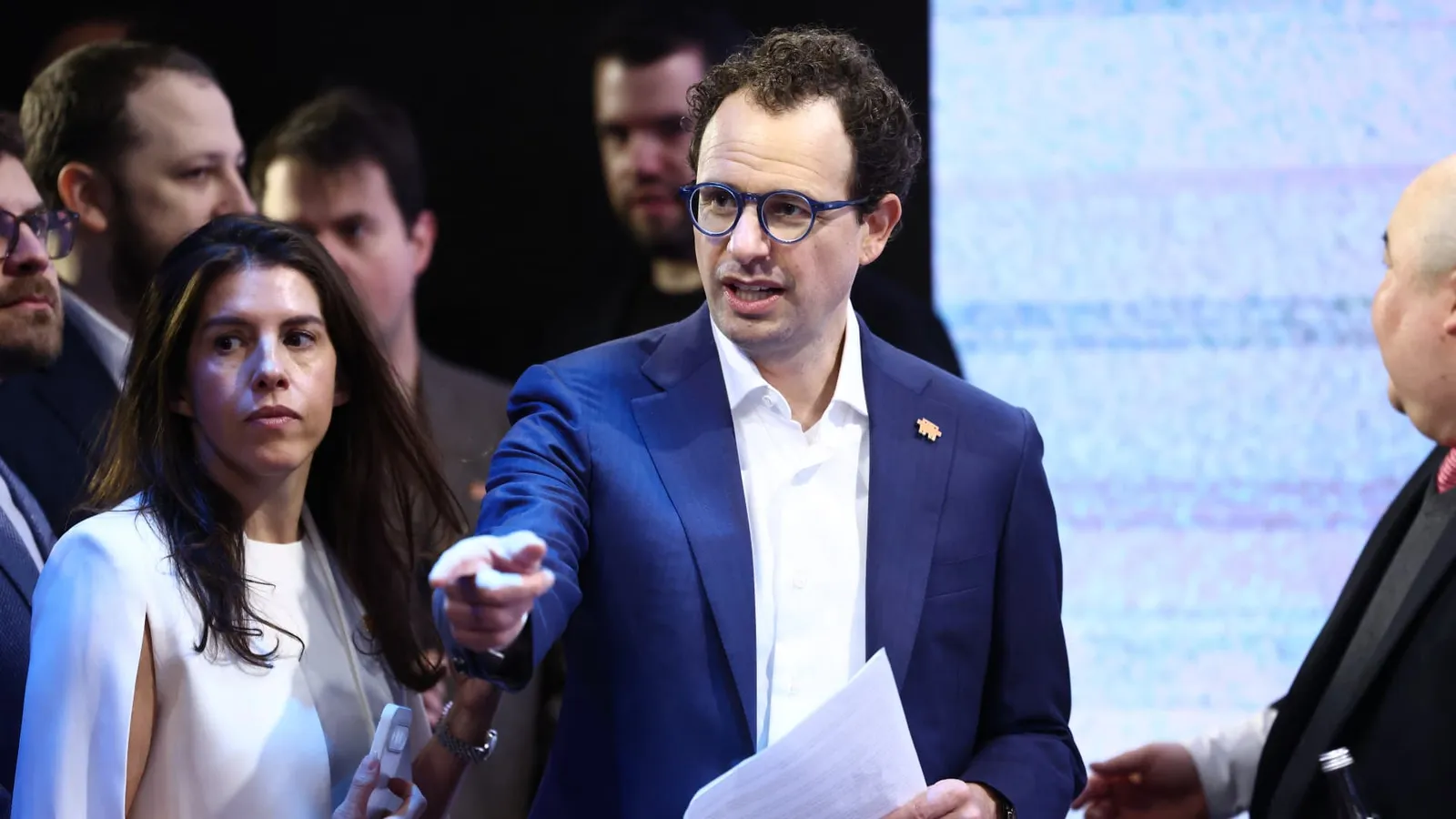
Anthropic's record IPO lands a day before Nvidia's longest losing streak since 2008
Anthropic's record Nasdaq debut and Nvidia's longest weekly losing streak since 2008 landed within 24 hours of each other, and the contrast shows how fast the market is re-pricing the AI trade.
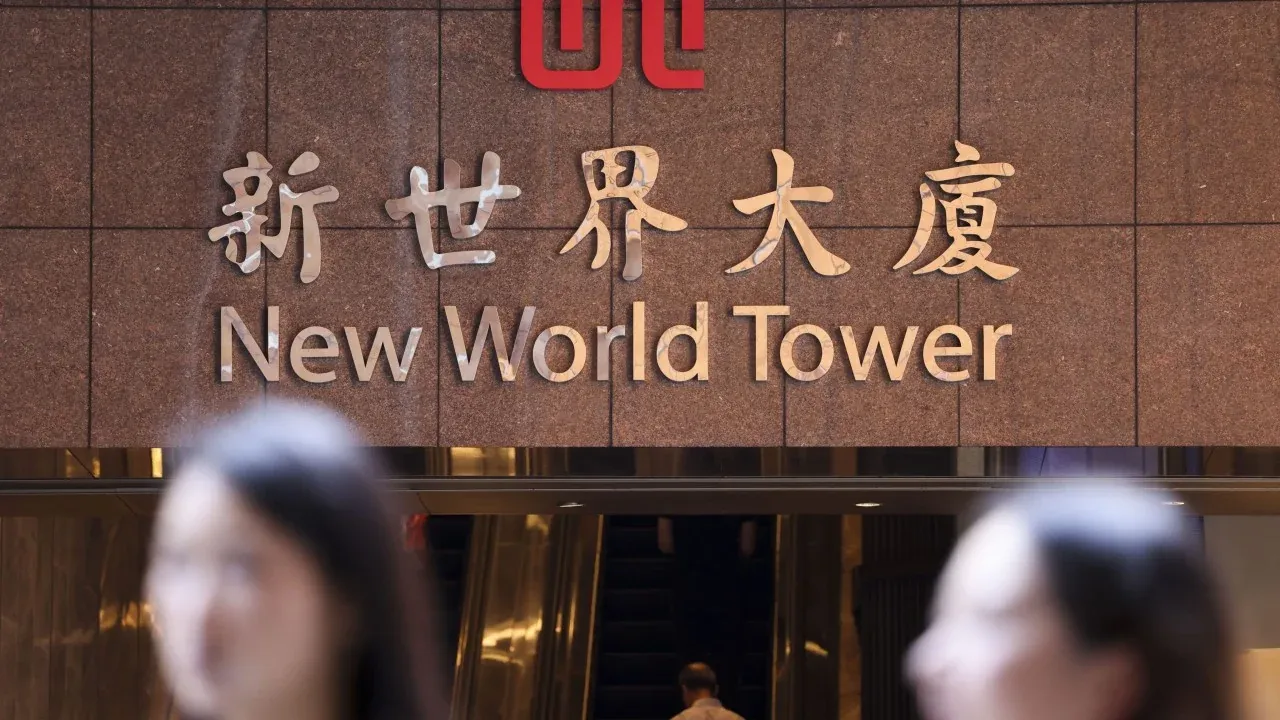
New World's HK$24.9B rights issue triggers 41% plunge as HK$50B debt target looms
New World Development has three levers left to erase up to HK$50 billion in borrowings by 2031, and shareholders just told the market what they think of the first one.
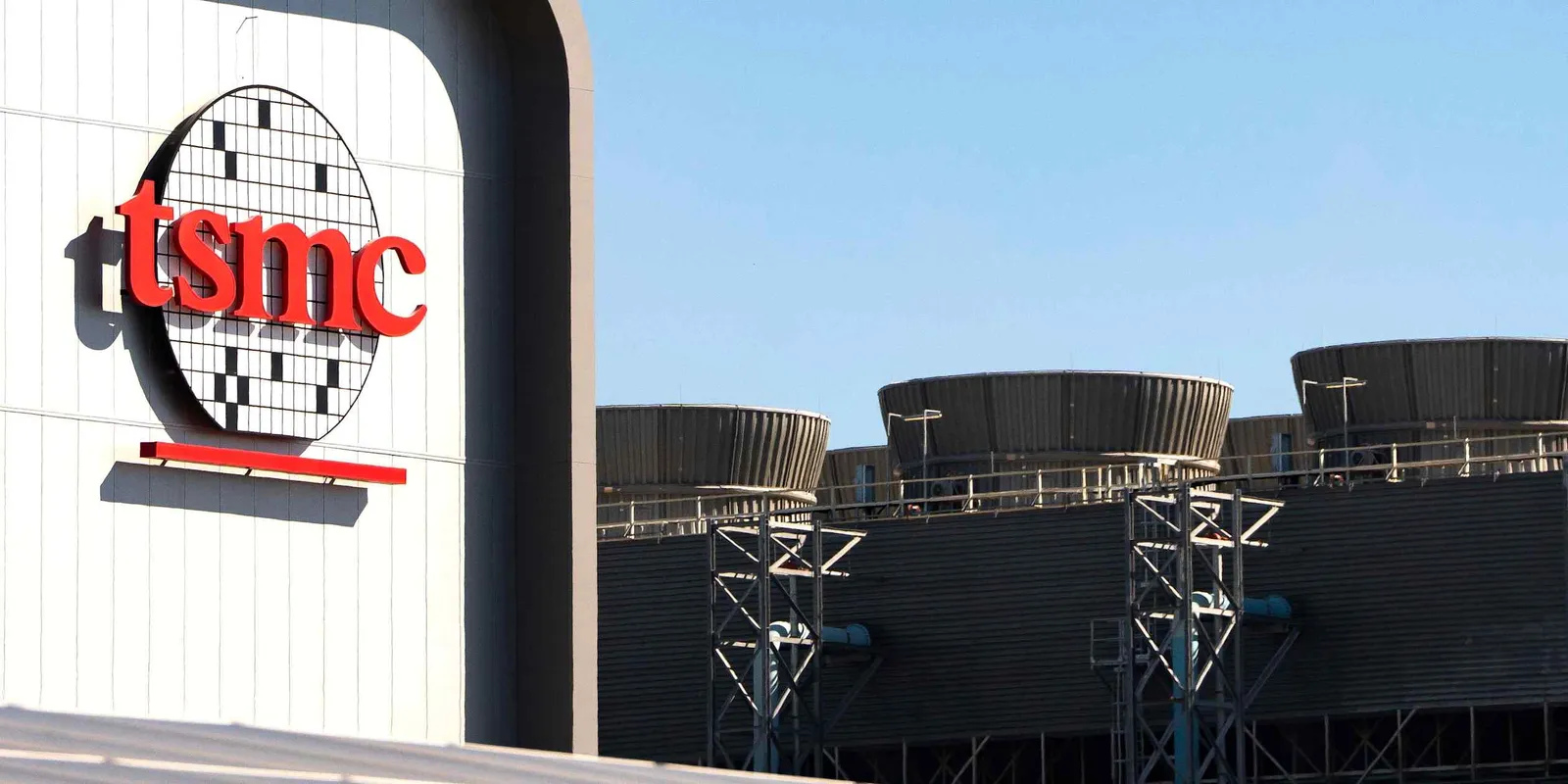
Chip supply chain warns new US export controls will spread beyond the target list
Suppliers, distributors and equipment makers say the latest US restrictions will not stay contained to the firms named on paper, putting orders, inventory and delivery timelines at risk across the global chip chain.