

Chip supply chain warns new US export controls will spread beyond the target list
Suppliers, distributors and equipment makers say the latest US restrictions will not stay contained to the firms named on paper, putting orders, inventory and delivery timelines at risk across the global chip chain.
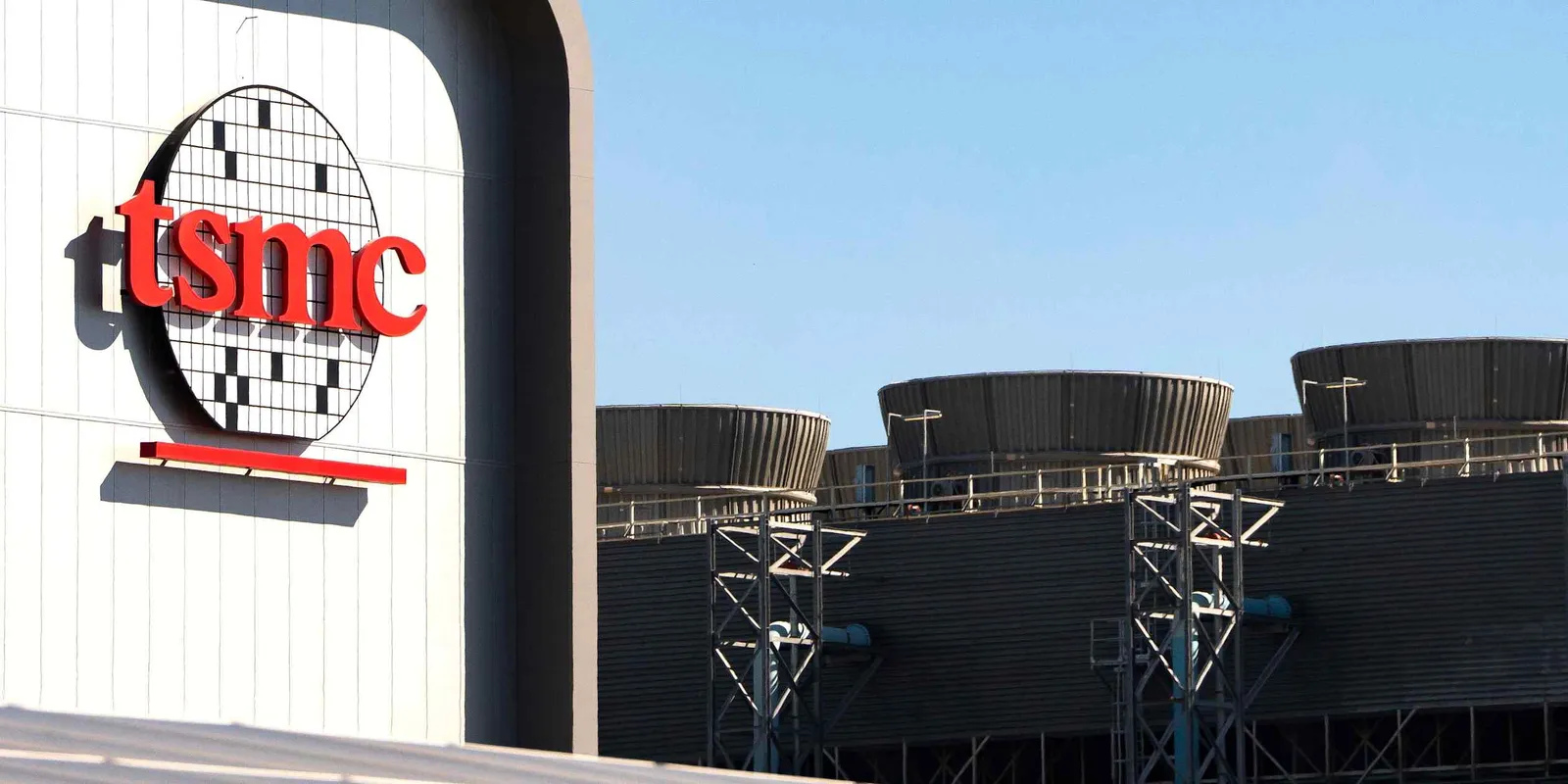
Participants across the semiconductor supply chain are warning, via Nikkei Asia, that the newest round of US export controls will cause disruption well beyond the companies directly targeted. For operators and investors, the signal is that licensing friction, over-compliance and stranded inventory will surface across suppliers, distributors and equipment makers before the aggregate numbers show it.
The warning is not about the companies named on the list. It is about everyone standing behind them. Participants across the semiconductor supply chain are telling Nikkei Asia that the newest round of US export controls will cause disruption well beyond the firms directly targeted, rippling into suppliers, distributors, logistics providers and second-tier vendors whose business depends on components the rules now touch. That matters because the chip industry does not operate as a set of isolated companies. It operates as one long, tightly coupled relay.
The word doing the work here is "broader." Export controls are written as lists and legal text, but they are enforced through contracts, purchase orders, letters of credit and shipping manifests. When a rule changes, the first casualties are rarely the marquee names. They are the firms holding inventory they can no longer ship, the distributors with orders already in transit, the equipment makers waiting on a license decision, and the customers who suddenly cannot get a part they have ordered for years. That is the mechanism the supply chain is flagging, and it is why a rule aimed at a narrow slice of the market can register across the whole chain.
For context, Washington has spent the past several years tightening controls on advanced semiconductors and the tools used to make them, with the stated goal of limiting access to leading-edge logic and memory technology. The rules typically work through a licensing regime administered by the US Commerce Department, combined with entity listings that restrict dealings with specific firms. Each successive round has widened the scope: from finished chips, to the equipment that produces them, to the software and services that support them, and increasingly to the third countries and intermediaries that sit in between.
That widening is exactly where the supply chain's anxiety lives. The chip chain is geographically lopsided by design. Leading-edge design is concentrated in the United States. The most advanced lithography equipment comes from a small number of suppliers in Europe and Japan. Cutting-edge manufacturing is concentrated in Taiwan and South Korea. Assembly, testing and packaging cluster across Southeast Asia. Distribution and logistics run through hubs in Singapore, Hong Kong and beyond. A restriction applied at any single node does not stay at that node. It travels.
The second-order effects are where operators should focus. First, licensing friction: even when a transaction is ultimately permitted, the time spent waiting can blow through a customer's production schedule. Second, over-compliance: firms routinely cut off customers and products that are technically allowed, because the cost of a wrong call is severe and the rules are complex. Third, inventory risk: parts stranded by a rule change can turn into write-downs. Fourth, contract renegotiation: force majeure clauses, delivery guarantees and pricing terms all get revisited. Fifth, capital allocation: equipment orders and fab expansion plans get deferred when the demand picture for a given market goes cloudy.
For investors and operators, the practical read is to watch the plumbing, not just the headlines. Guidance revisions, backlog commentary, license approval patterns and shifts in distributor order behavior tend to show up before the aggregate numbers do. Supply chain warnings of this kind have historically been an early signal, not a late one. There is also a diplomatic dimension: US controls are most effective when allied governments align their own regimes, and the Netherlands and Japan host suppliers that sit at the chokepoints of the industry. Coordination reduces leakage but multiplies the number of jurisdictions a company must satisfy, which raises compliance costs for everyone and slows the entire chain.
The strategic stakes for executives are straightforward. Companies that treat export compliance as a product-roadmap input, rather than a legal afterthought, tend to absorb these shocks better. That means designing dual-track product lines, regionalizing inventory, mapping suppliers two and three tiers deep, and building license timelines into customer commitments. The firms that do not will keep discovering that a rule written for someone else landed on their order book.
The warning from the supply chain is not a forecast of collapse. It is a signal about where the friction will surface first. In an industry where a single delayed component can idle a production line, that signal is worth more than the headline it arrived in.
This story's Key Insights and Take-aways are locked.
Create a free account to unlock Executive Actions for one credit.
Register to UnlockAlways free for Executives Club members. Join the Club
More in Business
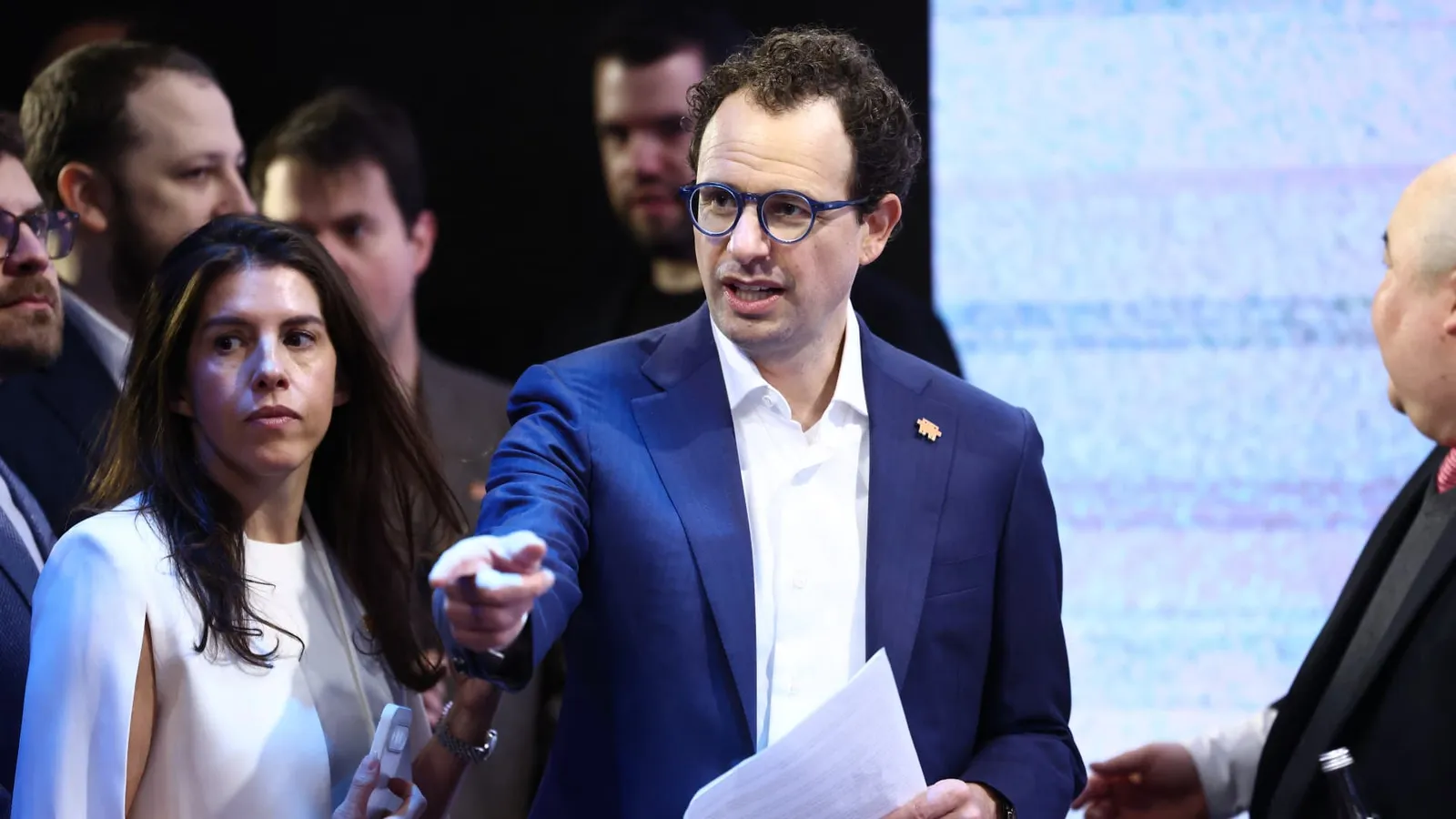
Anthropic's record IPO lands a day before Nvidia's longest losing streak since 2008
Anthropic's record Nasdaq debut and Nvidia's longest weekly losing streak since 2008 landed within 24 hours of each other, and the contrast shows how fast the market is re-pricing the AI trade.
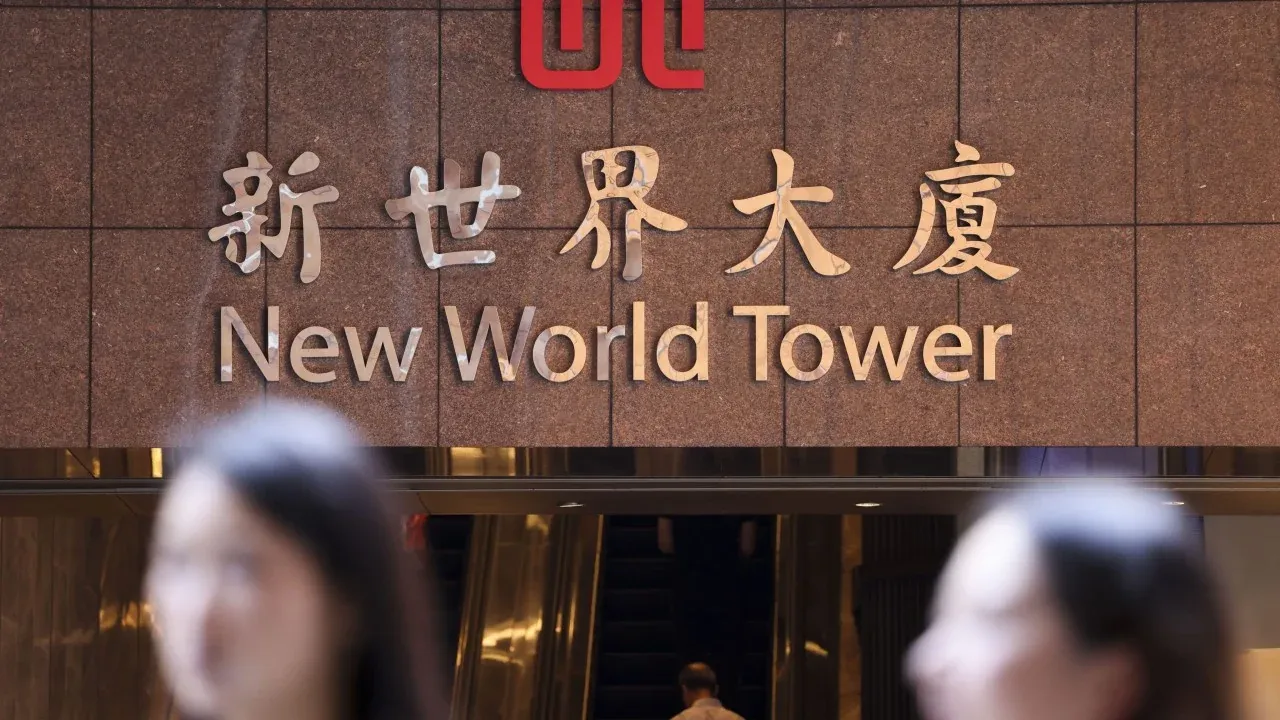
New World's HK$24.9B rights issue triggers 41% plunge as HK$50B debt target looms
New World Development has three levers left to erase up to HK$50 billion in borrowings by 2031, and shareholders just told the market what they think of the first one.

Japan's stamp maker pivots to AI, authenticating videos on X
A company built on registered seals that make contracts legally binding is betting the same trust logic can verify deepfake-era video on the platform where clips travel fastest.