
Taylor Sheridan Ditches Grim for Zany Comedy in Tulsa King Spinoff
The Sicario and Hell or High Water writer is dropping a mob hitman into sun-soaked Texas suburbs for laughs, a genre pivot that tests how much of a franchise's value lives in its tone.
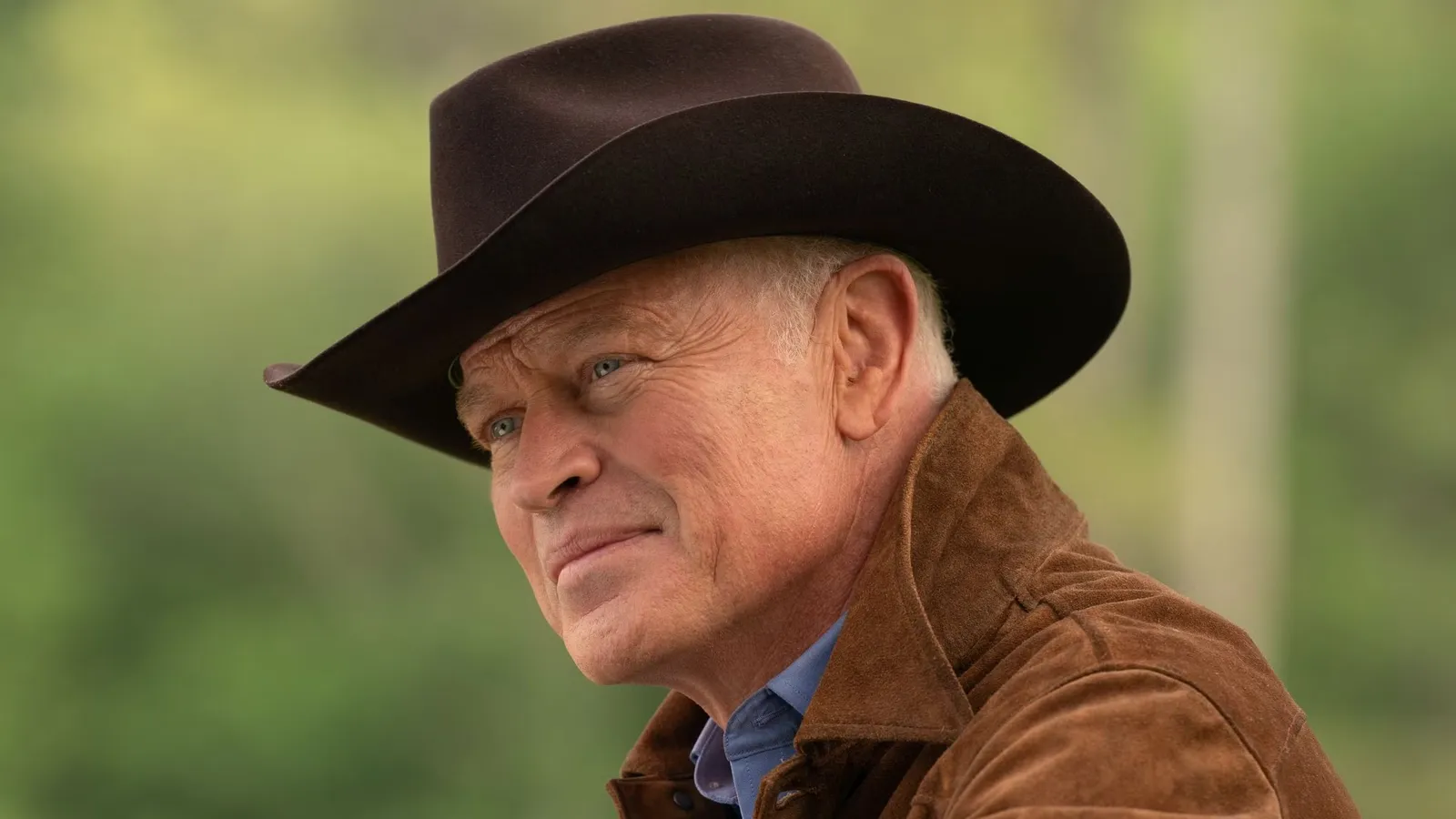
Taylor Sheridan, the writer behind Sicario, Hell or High Water, and Wind River, is switching genres for his next Paramount+ series, a Tulsa King spinoff that plays a mob hitman's suburban Texas disarray for broad comedy and zany set pieces. The pivot tests whether Sheridan's audience follows him out of grim drama, and whether a platform can stretch a proven creator's franchise without diluting the tone that made it valuable.
Taylor Sheridan is switching genres, and the pivot is sharper than the headline suggests. The writer and director behind Sicario, Hell or High Water, and Wind River is building his next Paramount+ series as a Tulsa King spinoff, and the premise is a hard left turn: a mob hitman whose life is thrown into disarray by sun-soaked Texas suburbs. The show trades Sheridan's usual grim tone for broad comedy and zany set pieces. That is the actual news. Not that there is another Taylor Sheridan show on the way, which by now surprises no one, but that this one is built to make you laugh.
Measure that against the brand. Sheridan's reputation rests on menace and moral weight: the cartel dread of Sicario, the dust-and-debt desperation of Hell or High Water, the cold frontier grief of Wind River. He has become the rare creator that networks and streaming services treat as a genre unto himself, the kind of presence that has been described as a specter haunting TV networks and streaming services. A comedy is not a small detour for a writer whose signature is tension. It is a deliberate rewrite of the tone that made him valuable in the first place.
Context matters here. Sheridan first rose to prominence on the strength of those three screenplays, then converted that credibility into television, where he became one of the most prolific creators working. For a platform, that kind of output functions almost like a cheat code: a proven voice, an established audience, and a pipeline that keeps subscribers from drifting between tentpole releases. Prolific creators are how streamers fill a calendar without gambling on unknowns every quarter. That model has limits, though. A slate built on one voice is only as durable as that voice's willingness to keep working, and it concentrates creative risk inside a single relationship.
The spinoff format is the industry's standard hedge, and it is worth understanding why. Historically, extending a hit into a second series lets a platform reuse awareness, infrastructure, and audience habit rather than starting cold with a title nobody recognizes. A spinoff inherits recognition for free. That is precisely why the genre shift is the interesting variable here: the safety net is the franchise name, and the risk is everything Sheridan is doing with it.
Comedy carries a different risk profile than drama, and the difference is not cosmetic. Tone travels badly across borders. Jokes are the hardest thing to dub, subtitle, or localize, which is why comedy has historically been a tougher international sell than genre drama. A comedy spinoff is therefore a bet on two things at once: that Sheridan's audience will follow him into a register they have never watched him work in, and that the Tulsa King name is strong enough to carry the transition on its own.
The more revealing read is what the pivot says about leverage. A creator with less clout does not get to change genres on a platform's dime; that creator gets notes. When a writer can move from grim to zany inside an existing franchise, it typically signals that the platform is buying the person, not the premise. That is a structural advantage most showrunners never reach, and it compounds every time a show lands.
For rival platforms, the implication is uncomfortable. If Sheridan can spin a comedy out of a crime franchise, then the moat around any single hit is thinner than it looks, and the creator relationship is the real asset on the balance sheet. For talent, the lesson is that range is a negotiating position, not just an artistic one. For Paramount+, the upside is a wider slate and a longer relationship; the risk is stretching a brand that audiences associate with grit.
None of this guarantees the show works. Comedy is unforgiving, and a genre shift is the kind of move that either expands a franchise or exposes how much of its appeal was the tone all along. But the decision itself is already the story. The most prolific grim storyteller in television just bet that his audience will follow him somewhere lighter, and that bet is now the thing everyone in the room is watching.
This story's Key Insights and Take-aways are locked.
Create a free account to unlock Executive Actions for one credit.
Register to UnlockAlways free for Executives Club members. Join the Club
More in Entertainment
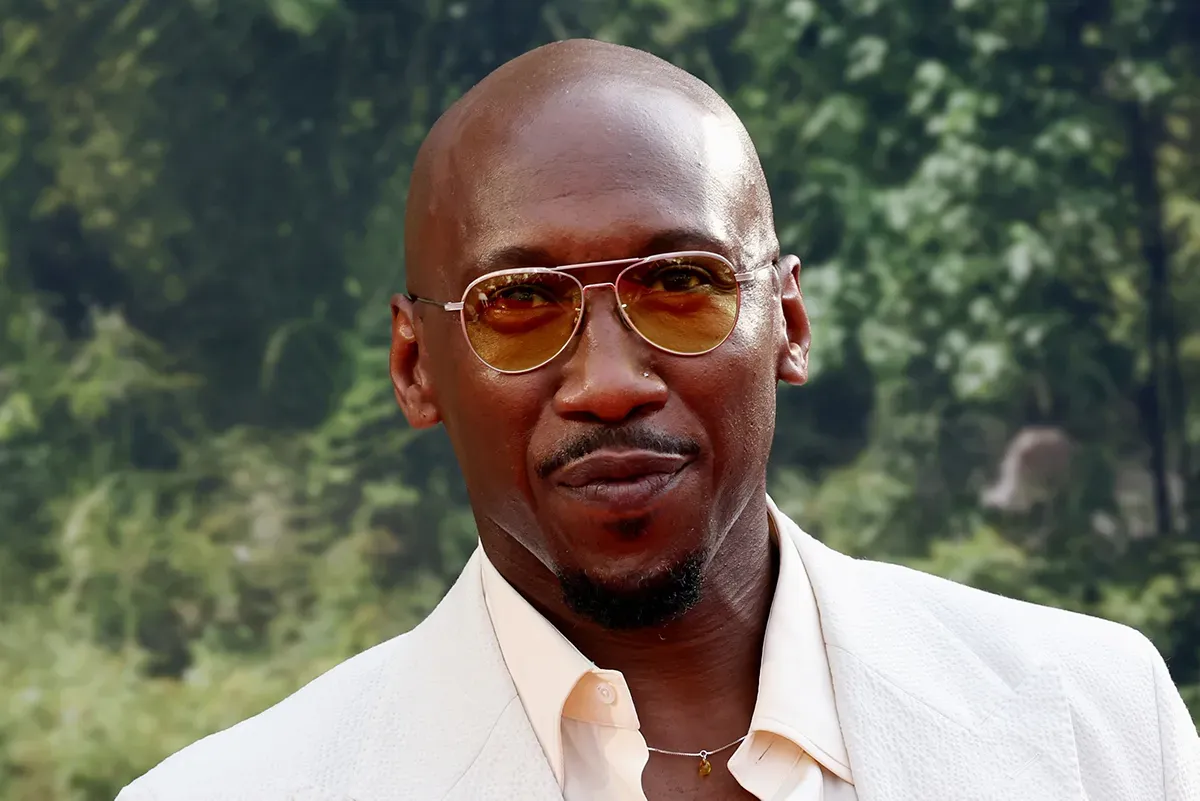
Mahershala Ali's Two Oscars Buy Him Nothing: 'There Are Not Roles for Me'
The two-time Oscar winner told the 7PM in Brooklyn podcast that his trophies do not unlock work in 'the vast majority of projects,' a blunt read on what Hollywood's franchise economy actually rewards.
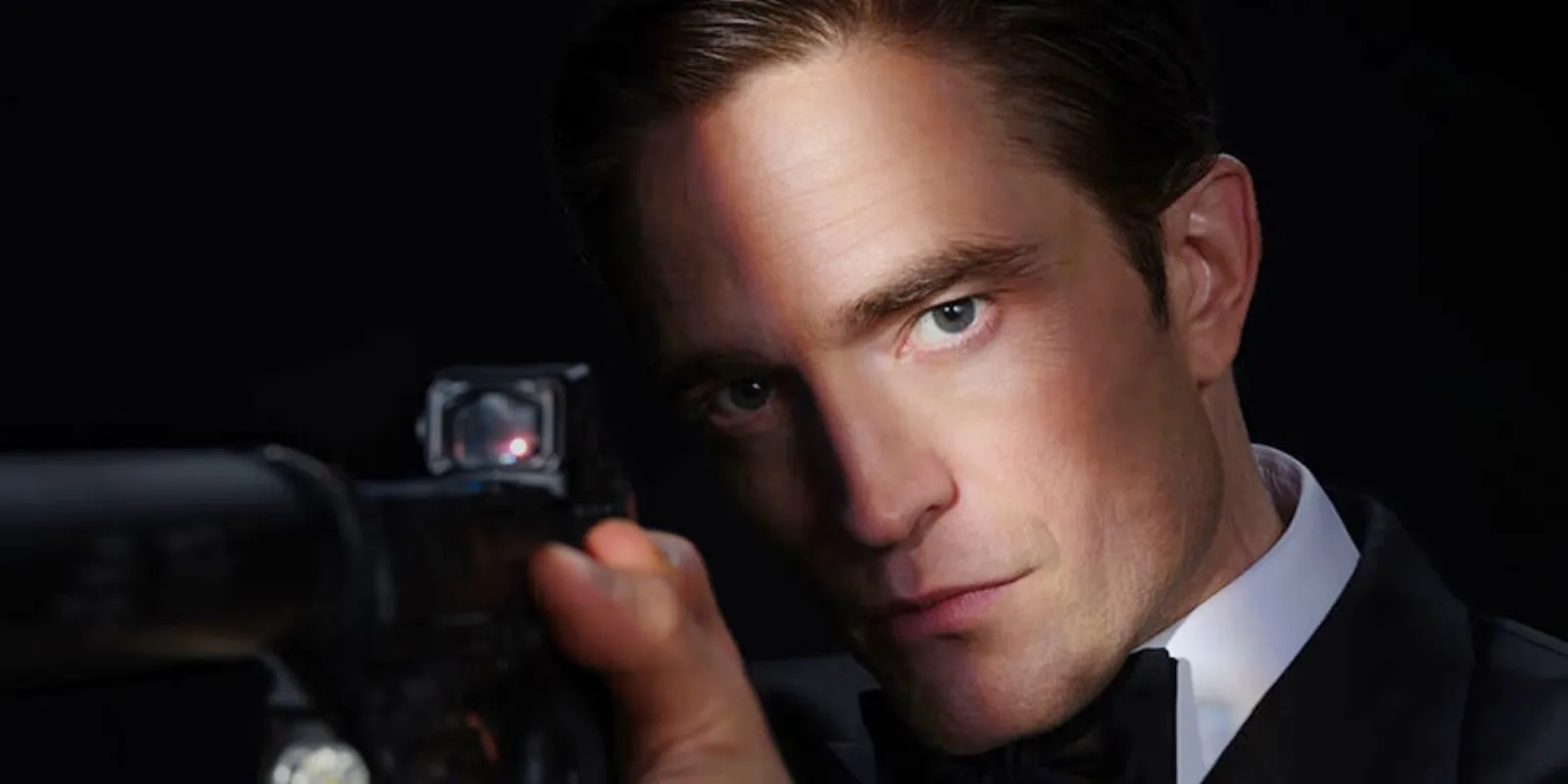
Robert Pattinson Is 007: Amazon's Bond Pick Sends a Divisive Film Surging
Amazon confirmed Pattinson as Bond under Denis Villeneuve, and within days the franchise's most controversial entry started climbing the streaming charts, a reminder that casting is catalog strategy.

GTA 6 Ate Nearly a Quarter of Comcast's Traffic on Its Biggest Day
Comcast says the November 19 launch pushed network traffic 31% above an average day, and the fine print on its own chart is the part operators should read twice.