
African ant trade to Europe is booming, and ecosystems are paying the bill
Hobbyists prize these small insects. Regulators and grid operators should worry about ecological harm and even power outages.

Deutsche Welle reports that the legal or not trade in African ants bound for Europe is booming. The consequence is a growing ecosystem and infrastructure risk that decision-makers cannot ignore.
Legal or not, the trade in African ants bound for Europe is booming. Deutsche Welle frames it as a hobby-driven flow: collectors and enthusiasts are finding something compelling in these small insects, and that demand is now moving real volume across borders. The easy takeaway is “it’s just a niche market.” The harder one is that the downstream effects are big enough to spill into ecosystems and, potentially, even power reliability through outages.
So what exactly pulls hobbyists toward African ants? Deutsche Welle points to the appeal these insects hold for collectors and keepers, even when the trade sits in a gray area of legality. In other words, the “why” is emotional and experiential, not technical. Ants are fascinating to watch and easy to romanticize as living micro-worlds. Once the hobby becomes a marketplace, the logistics follow: capture, transport, and distribution. And when that pipeline strengthens, ecosystems become the balance sheet.
The ecosystem risk is the headline’s real weight. Ant species are not just decorations in someone’s display; they are part of local food webs and ecological processes. When animals are extracted for sale, the ecological math can shift, especially if removals are not controlled or if the supply chain creates pressure on populations. Deutsche Welle flags these risks directly, emphasizing that the trade can harm ecosystems even as it grows.
There is also an infrastructure angle, which is where this story stops being “collector drama” and starts looking like operational risk. Deutsche Welle notes risks that can include power outages. The mechanism is not fully spelled out in the source text, but the implication is clear: an ant trade that affects local environments can spill over into systems humans rely on. For executives and board members, this matters because the chain of causality often looks indirect at first. You start with demand from hobbyists. Then you get capture and movement. Then you get ecological disturbance. Then, in worst cases, that disturbance contributes to failures in places you would never normally connect to insects.
From a regulatory standpoint, the most destabilizing phrase in Deutsche Welle’s framing is “legal or not.” That signals that even if some parts of the trade operate inside rules, other parts do not. For policymakers and compliance teams, that creates a problem with enforcement surfaces, not just a problem with intent. When markets are mixed, regulators can be forced to chase inconsistencies: which shipments are covered, which are misdeclared, which are sourced responsibly, and which are simply tolerated. For boards, the second-order issue is reputational and legal exposure. When enforcement gaps exist, companies and platforms that touch the supply chain can find themselves in the blast radius even if they see themselves as “just facilitating demand.”
There is also a commercial dynamic hidden under the insect talk. Booming demand tends to reward fast scaling. That pressure can lead actors to optimize for availability, price, and shipping reliability. Where legal oversight is uneven, scaling becomes easier in the short term and riskier in the long term. Deutsche Welle’s story highlights that tension: the trade is growing now, but the costs can be delayed and distributed across ecosystems and public systems. Delayed costs are the kind that turn into surprise board agenda items, the kind that arrive after the market has already expanded.
For leaders in adjacent sectors, this is a warning about how “small creatures” can still become enterprise-level concerns. Supply chain issues are rarely confined to one domain. The ant trade connects consumer behavior to biodiversity risk, and biodiversity risk can connect back to infrastructure reliability. If you oversee compliance, sustainability, logistics, or risk, you should treat this as a case study in how hobby markets can evolve into ecological and operational challenges.
The strategic stake is simple: if the trade keeps booming, the pressure on ecosystems and the possibility of knock-on impacts like power outages does not go away. It grows with demand. Deutsche Welle’s reporting is a reminder that decision-makers should watch not only regulations and headlines, but the incentives that make markets accelerate in the first place.
This story's Key Insights and Take-aways are locked.
Create a free account to unlock Executive Actions for one credit.
Register to UnlockAlways free for Executives Club members. Join the Club
More in Politics
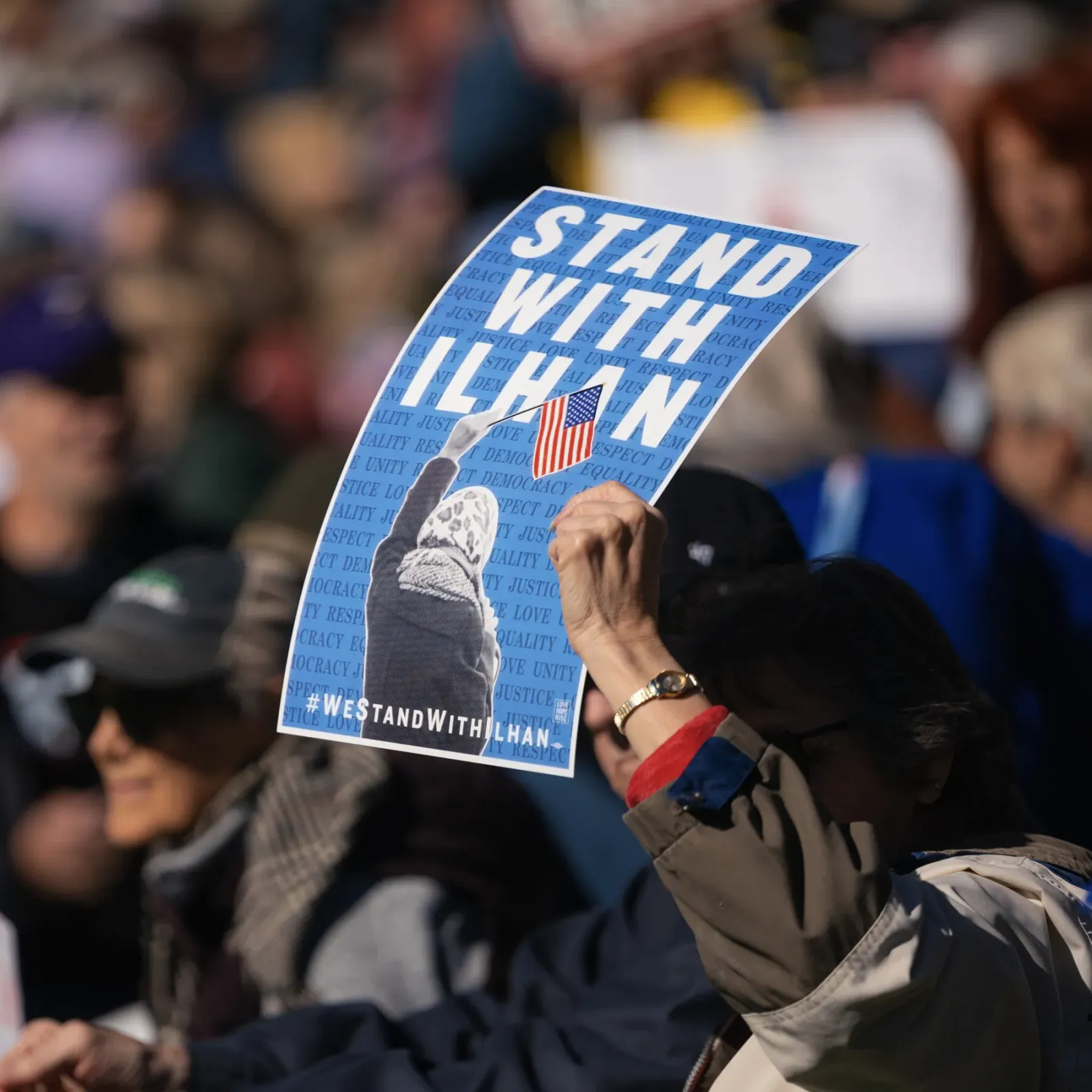
Obama Defends Ilhan Omar After Agents Search Her Home in Trump Inquiry
The former president's intervention raises the stakes in a federal probe into immigration paperwork that has put a prominent progressive lawmaker in the crosshairs.

Blair-era minister: cut welfare to fund youth job support
Alan Milburn's call for welfare cuts to fund employment support opens a Labour fight over benefits and the Neet crisis.
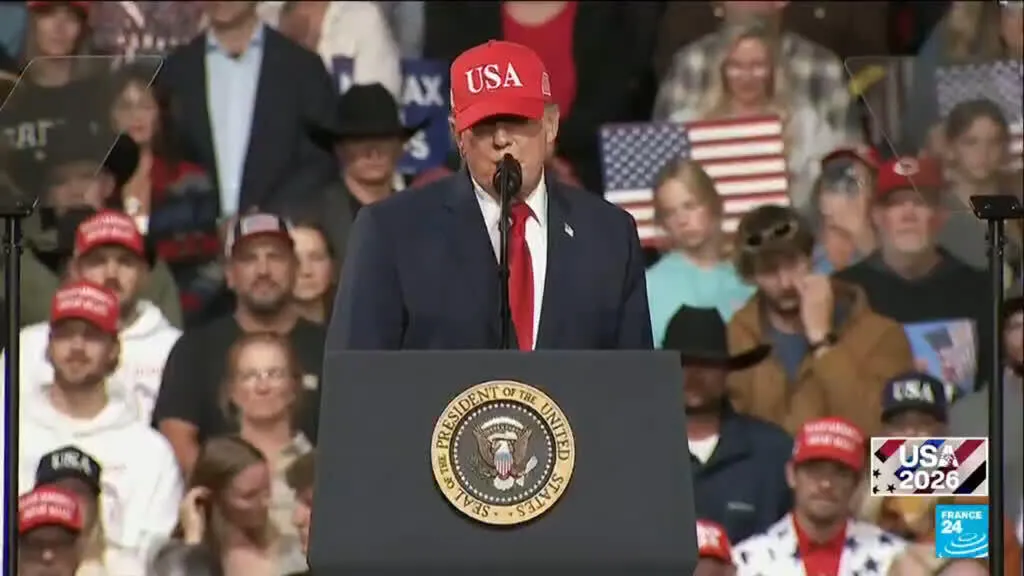
Hot September CPI: energy costs surge, voters feel the squeeze before midterms
The latest inflation print lands as Trump campaigns for GOP control of Congress, putting cost-of-living worries at the center of the midterm fight.