
AI agents tripled web traffic in a month. Now sites are banning them
Amazon, Yelp, and Pizza Hut are blocking OpenAI's and Meta's new shopping agents, and a web optimized for bots could squeeze out the humans who built it.
OpenAI's Dots and Meta's Muse launched personal AI agents at scale, and agentic web traffic tripled from August to September, triggering bans from Amazon, Yelp, and Pizza Hut. For founders and operators, the clash defines who controls the next interface to commerce, and the rules now being written will shape pricing, advertising, and customer service for years.
The internet's visitor count just changed shape: agentic web traffic tripled between August and September after the launch of personal AI apps like OpenAI's Dots and Meta's Muse. Muse alone was downloaded 5 million times in its first month. And the web, built for human eyes and human clicks, is now fighting back. Amazon has blocked Muse's agents, Yelp won't let AI book restaurant reservations, and Pizza Hut has reportedly turned agents away at the digital door. The era of the personal AI agent has officially collided with a web that was never designed for it, and the fallout is just beginning to reach every e-commerce site, ad model, and customer service queue you interact with daily.
This is not the familiar bot-versus-captcha war. Until recently, the web had two kinds of users: people, who navigate with browsers and patience, and bots, which crawl pages under strict rules. Personal AI agents are a third category. They act for a specific human, moving at machine speed, doing legitimate tasks like comparing prices or negotiating refunds. But they don't fit the systems that distinguish humans from bots, so security-conscious platforms have defaulted to the bluntest available tool: a total ban. That leaves early adopters locked out of everything from fast-food ordering to restaurant reservations, and it is already spilling into court. Amazon is waging an appeal against AI startup Perplexity after a judge ruled in favor of Perplexity, with Amazon arguing that agents make it impossible to tell whether an ad was seen by a person or served to a bot, threatening its advertising business.
The consequences will not stay contained to early adopters. Wharton associate professor Ethan Mollick predicts that once the public realizes agents can be dispatched to request refunds or negotiate prices, customer service departments will be overwhelmed to the point of being unusable for real people.
This story's Key Insights and Take-aways are locked.
Create a free account to unlock Executive Actions for one credit.
Register to UnlockAlways free for Executives Club members. Join the Club
More in Business
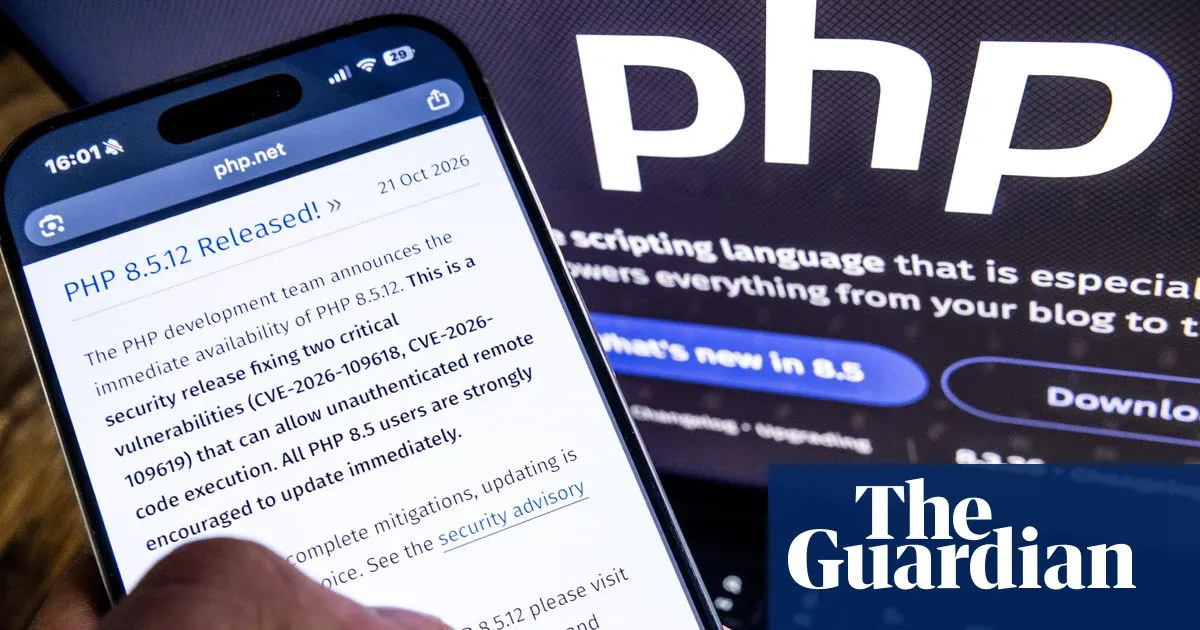
A flaw in PHP just forced governments to pull their own sites offline
European agencies from Belgium to Germany took websites dark to patch a critical weakness in the language behind almost 70% of the web, and the blast radius extends far beyond government portals.

BioWare shuts down, Mass Effect 5 dead after $55B EA buyout
The legendary RPG studio's closure lands months after a $55 billion investment group buyout of EA, raising tough questions for gaming's biggest acquirers.

Musk barred from the room as Tesla, SpaceX boards weigh $3.5 trillion merger
The CEO of both companies is a 'conflicted party' watching independent directors negotiate a tie-up that would create a $3.5 trillion giant he would own about a third of.