

AI image fraud could cost $40B next year; international standards may finally unify defenses
A $40 billion threat is pushing the standards debate from scattered labs to something buyers can actually enforce.
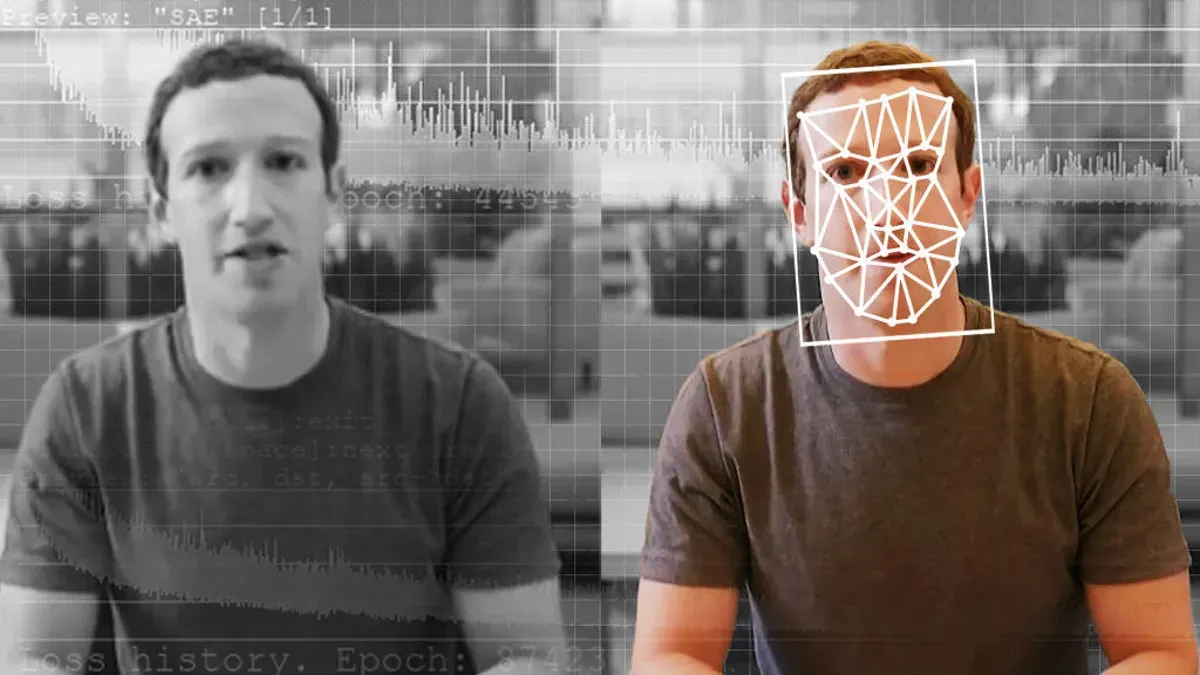
ZDNet reports that AI image fraud is projected to cost $40 billion next year and asks whether proposed international standards can become the dominant framework. For decision-makers, the outcome determines how quickly organizations can detect deepfakes and manage AI scams consistently across borders.
AI image fraud is projected to cost $40 billion next year, and the uncomfortable part is how familiar the problem already feels. Deepfakes and AI scams are not exactly new, but what is new is the scale pressure. When the money at stake becomes that large, “we’ll handle it later” turns into “we need a system that works everywhere.”
ZDNet’s framing is blunt: until now, efforts to identify and combat deepfakes and AI scams have been scattered, and there isn’t one clear standard that organizations can rally around. The question is which proposed standard will dominate. That matters because detection is not just a technical exercise. It is an operational one, a legal one, and a procurement one. If the standard that wins is the one that marketplaces, insurers, regulators, and platforms can all agree on, then the industry gets a shared language for verifying authenticity, labeling risk, and responding to fraud.
To understand why this standard race is so consequential, you have to look at how AI image fraud actually spreads. The barrier to entry is low. Anyone can generate convincing content with readily available AI tools. The fraud then scales faster than most organizations can update their defenses, because detection tools and policies often live in silos. Some companies build internal monitoring. Some rely on vendors. Some focus on watermarking or metadata. Others run takedown workflows once they are alerted. Without a dominant standard, those approaches can be hard to compare, hard to audit, and even harder to integrate.
International standards are attractive because they reduce that fragmentation risk. A standard is the closest thing the tech world has to an “operating system agreement.” It can specify what “authenticity verification” means, how signals should be produced and consumed, and what interoperability looks like across different ecosystems. In practice, that can change how quickly organizations can roll out defenses at scale. It can also change how boards oversee risk, because a consistent framework makes it easier to ask, “Are we compliant with the baseline expectations?” rather than, “Do we have a patchwork of best efforts?”
This also intersects with procurement, where the real pain often shows up. If there is no widely adopted standard, vendors can claim they are “aligned” with detection practices, but buyers end up testing everything themselves, revalidating results across use cases, and negotiating terms that are hard to enforce. Standards create a lever. They give procurement teams and security leaders a way to benchmark claims and demand interoperability. That becomes more urgent as AI image fraud moves from isolated incidents to systemic loss patterns that hit marketing, customer support, finance operations, and sometimes even public trust.
There is a second-order governance angle too. When the standards landscape is fragmented, executive teams may disagree about which risks to prioritize. Security teams may want to focus on detection accuracy. Legal may focus on evidence and audit trails. Finance may care about chargebacks, recoverability, and insurance implications. Without a standard that clarifies how evidence is captured and what signals are considered reliable, those stakeholders can keep tugging in different directions.
The “which standard will dominate” question, then, is not an academic contest. It is a decision that will shape how quickly defenses can become measurable and how effectively they can be governed. A dominant standard can also reduce the time between fraud waves, because organizations can update policies and systems against a shared baseline rather than rebuilding every time new tools emerge. For executives, that directly affects incident response timelines, vendor strategy, and the credibility of board-level reporting.
If you are a founder, operator, investor, or board member watching this space, the stakes are simple. A $40 billion next-year cost projection is a signal that AI image fraud is moving into “main risk committee agenda” territory. The organizations that will be in the best position are the ones that treat standards not as paperwork, but as infrastructure. And the ones that wait for consensus too long risk being stuck with a scattered approach when the market finally picks a winner.
This story's Key Insights and Take-aways are locked.
Create a free account to unlock Executive Actions for one credit.
Register to UnlockAlways free for Executives Club members. Join the Club
More in Technology

Google quietly links your phone number to every Android account on your SIM
Adding a SIM now ties your phone number to all Google accounts - and future accounts inherit it. Here's the security and privacy stakes.

Hijacker AI 'Skynet mode' runs 100,000 attack steps against exposed models
Symantec caught a criminal AI agent that borrows other models, steals data, and mines crypto; the only relief is no confirmed victims yet.

Nvidia's AI-financier shift faces its first big test as neoclouds stumble
A rout in neocloud stocks is forcing investors to weigh Nvidia's hidden exposure as both supplier and lender to the AI buildout.