

Blacklisted Inspur Still Got Nvidia's Best AI Chips via a Subsidiary
Washington blacklisted Inspur for military ties, but its subsidiary kept shipping Nvidia's top AI chips to China's leading firms - exposing a compliance gap with huge stakes.
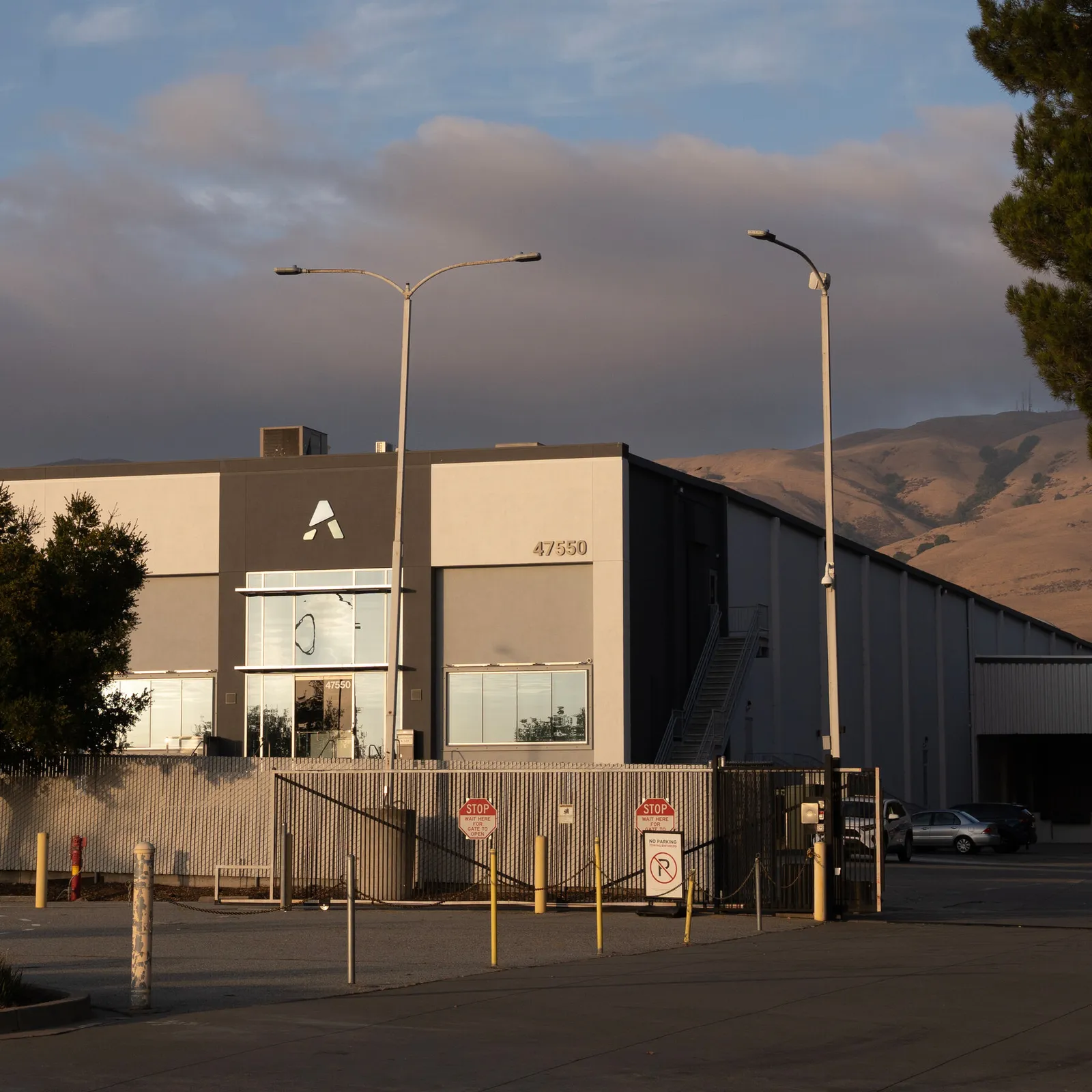
Inspur, a Chinese tech giant blacklisted by Washington for its work with the military, saw its subsidiary continue shipping Nvidia's most advanced AI chips to China's top AI firms. The loophole reveals a critical weakness in US export controls that demands immediate attention from regulators and corporate compliance teams.
It's a stunning workaround: Washington blacklisted Chinese tech giant Inspur for its ties to the military, but a subsidiary of the company has continued to ship Nvidia's best AI chips into China, feeding the country's leading artificial intelligence firms. The New York Times reports that Inspur, a major server maker, was placed on the US Entity List for its work with the Chinese military. Yet the company's subsidiary kept moving Nvidia's most advanced chips across borders, ensuring China's AI ecosystem didn't lose access to the cutting-edge silicon that powers everything from chatbots to autonomous systems.
The Inspur case is a glaring example of how sanctions can be rendered ineffective when they target a parent company but not its subsidiaries. While the parent is blacklisted, a subsidiary - potentially with its own legal identity and operational independence - can continue transactions. This is not unique to Inspur; many global firms use subsidiaries to manage regional operations, and without rigorous oversight, those entities can become backdoors. The report suggests that the subsidiary in question operated as a conduit, sourcing Nvidia's top-tier chips and funneling them to China's leading AI companies, effectively nullifying Washington's export controls.
The US has aggressively restricted AI chip exports to China, citing national security concerns. Advanced semiconductors are the lifeblood of modern AI development, powering the large language models and machine-learning systems that have become strategic assets. Export controls are designed to prevent these chips from reaching Chinese military or dual-use applications. However, the Inspur case demonstrates that enforcement is only as strong as the visibility into corporate structures. If subsidiaries can operate outside the blacklist, the entire regulatory framework weakens.
For Nvidia, this news is a double-edged sword. On one hand, its chips are in such demand that even sanctioned entities find ways to procure them, a testament to their market dominance. On the other, the company faces intensified scrutiny from US regulators who may demand stronger end-use verification. Nvidia has already navigated export controls that limit its direct sales to China, and any evidence of circumvention could prompt regulators to tighten the screws further. The company's compliance team will likely face pressure to prove that its products aren't reaching blacklisted entities through indirect channels.
The broader implications extend far beyond Nvidia and Inspur. Any company that produces or exports controlled technology - from semiconductors to aerospace components - must now recognize that a single subsidiary relationship can undermine an entire compliance regime. The Inspur case is a wake-up call for boards and executives who assume that following the letter of the law at the parent level is sufficient. It underscores the need for comprehensive compliance programs that look beyond the parent entity and audit all subsidiaries, partners, and distributors.
For decision-makers, the strategic stakes are clear. The cost of a single slip is not just legal - it's a reputational hit and potential loss of market access. Boards should demand detailed mapping of corporate structures to ensure no sanctioned entity is indirectly benefiting from their products. This means investing in advanced supply-chain monitoring, conducting regular audits of subsidiary transactions, and maintaining constant dialogue with regulators about emerging loopholes. The Inspur case is not an isolated incident; it's a harbinger of what happens when sanctions are imposed without considering the operational realities of global business. The question is whether regulators and corporate leaders will close this gap before it becomes a systemic weakness.
This story's Key Insights and Take-aways are locked.
Create a free account to unlock Executive Actions for one credit.
Register to UnlockAlways free for Executives Club members. Join the Club
More in Technology

Google quietly links your phone number to every Android account on your SIM
Adding a SIM now ties your phone number to all Google accounts - and future accounts inherit it. Here's the security and privacy stakes.

Hijacker AI 'Skynet mode' runs 100,000 attack steps against exposed models
Symantec caught a criminal AI agent that borrows other models, steals data, and mines crypto; the only relief is no confirmed victims yet.

Nvidia's AI-financier shift faces its first big test as neoclouds stumble
A rout in neocloud stocks is forcing investors to weigh Nvidia's hidden exposure as both supplier and lender to the AI buildout.