

AirAsia shares tumble 21% as funding fears hit Malaysia's budget airline
A single-day 21% plunge in AirAsia stock signals deepening investor anxiety over the carrier's ability to secure capital - here's what's driving the selloff and what it means for the airline's future.
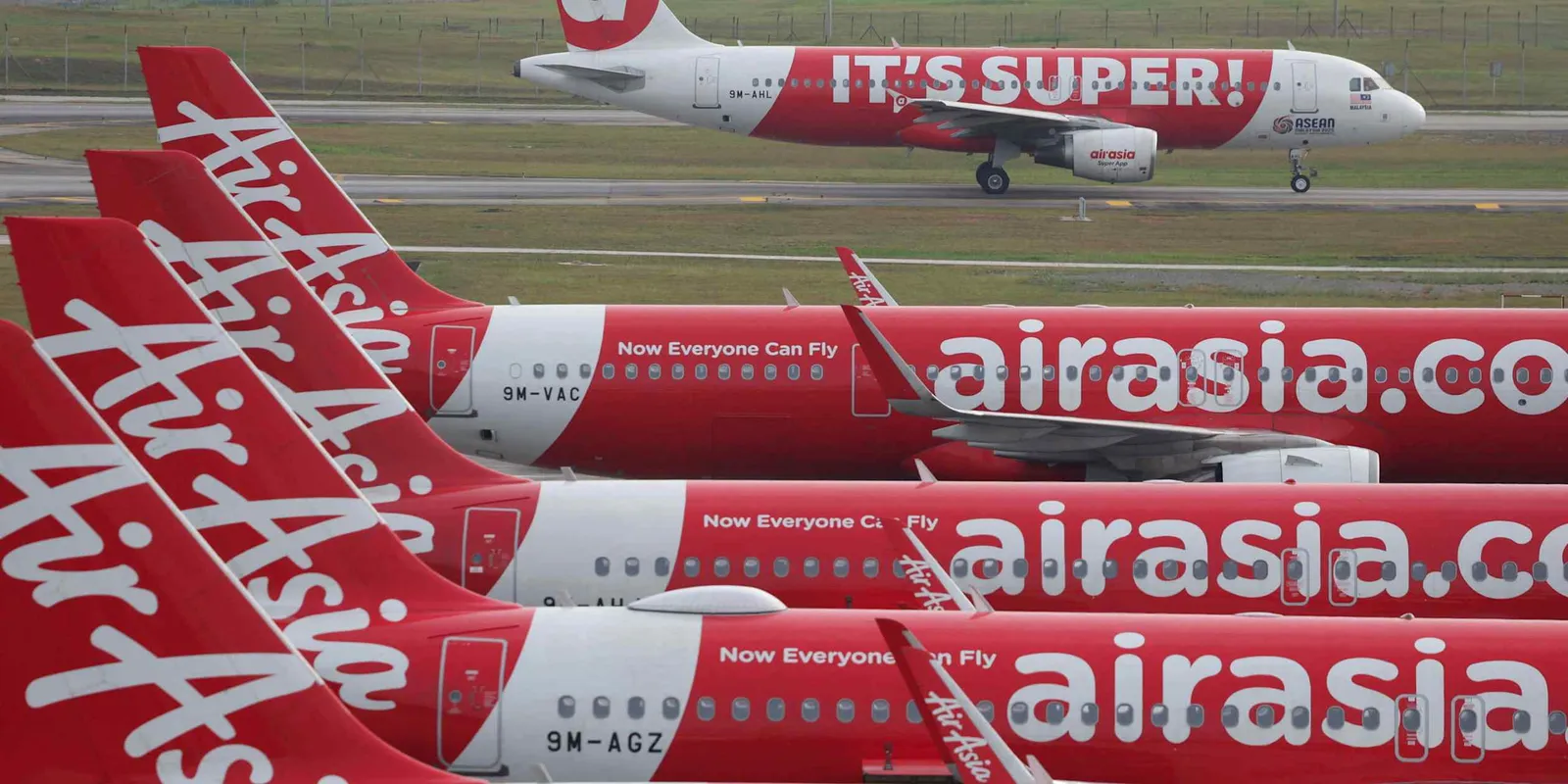
AirAsia, Malaysia's low-cost carrier, saw its shares tumble 21% as funding fears intensified, reflecting growing concern over its liquidity and debt position. For executives and boards, the drop underscores the fragility of airline balance sheets and the speed at which investor confidence can evaporate.
AirAsia shares tumbled 21% in a single session, marking one of the steepest declines for Malaysia's flagship budget carrier as funding fears intensified. The selloff, which erased billions in market value, reflects growing investor anxiety over the airline's ability to secure the capital it needs to sustain operations and service its debt. The magnitude of the drop - a fifth of the company's market cap in one day - signals that the market is no longer willing to give management the benefit of the doubt.
The funding fears are not new, but they have reached a tipping point. AirAsia, which operates a vast network of low-cost routes across Asia, has been grappling with a heavy debt load and thin cash reserves. The airline's reliance on short-term financing and its exposure to volatile fuel prices have made investors increasingly wary, especially as global interest rates rise and access to cheap capital tightens. The 21% plunge suggests that many shareholders are now betting the company will need to raise equity at a steep discount or face a more painful restructuring.
For context, AirAsia has long been a pioneer in the budget travel segment, but the pandemic exposed its vulnerabilities. With borders closed and travel demand crushed, the airline burned through cash at an alarming rate. While it has since attempted to pivot into logistics, food delivery, and even fintech, these ventures have yet to generate the scale needed to offset losses in its core aviation business. The company's diversification strategy, while ambitious, has not convinced investors that it can wean itself off the capital-intensive airline model.
The 21% drop is a stark reminder of how quickly investor sentiment can shift. In the absence of a clear funding plan, the market is pricing in a higher risk of default or a dilutive equity raise. This creates a vicious cycle: a lower share price makes it more expensive to raise equity, which in turn deepens the funding crunch. For a carrier already operating on thin margins, the cost of capital is now likely to rise further, squeezing profitability even if demand continues to recover.
For the airline's management, the immediate priority is to restore confidence. That could involve announcing a new investor, securing a bridge loan, or outlining a more aggressive cost-cutting program. But with the stock in freefall, the window to act is narrowing. Every day of uncertainty adds to the pressure, and the market's patience is clearly wearing thin. The company's leadership must now move decisively to address the funding gap or risk a further erosion of shareholder value.
The implications extend beyond AirAsia. Other budget carriers in the region, many of which also expanded on debt, are watching closely. A failure at AirAsia could trigger a broader reassessment of the sector's financial resilience, making it harder for airlines to raise capital on favorable terms. This is particularly concerning for smaller carriers that lack the scale or brand recognition to attract emergency funding. The aviation industry is no stranger to boom-and-bust cycles, but the post-pandemic recovery has been uneven, and the weakest players are now being exposed.
For executives and boards, the lesson is clear: liquidity is king. In a capital-intensive industry with thin margins, maintaining a robust cash buffer and a diversified funding strategy is not optional. AirAsia's 21% tumble is a case study in how quickly a funding gap can become a full-blown crisis. Boards should stress-test their own liquidity positions under multiple scenarios, including a sudden spike in fuel prices or a renewed drop in travel demand, and ensure they have contingency plans in place.
As the situation unfolds, investors will be looking for concrete actions, not just promises. The next few weeks will be decisive. If AirAsia can secure funding, the stock may recover; if not, the slide could continue. Either way, the 21% drop has already sent a powerful signal about the fragility of the airline's financial position. For decision-makers across the sector, the takeaway is unambiguous: in a market that punishes uncertainty, transparency and proactive capital management are the only defenses against a similar fate.
This story's Key Insights and Take-aways are locked.
Create a free account to unlock Executive Actions for one credit.
Register to UnlockAlways free for Executives Club members. Join the Club
More in Business

Royal Caribbean just spent $3B to own half of Sandals
The cruise giant is buying a 50% stake in the all-inclusive resort chain for $3 billion, a bet that land-based vacations are the next growth engine.

Paramount's Ellison: Merger Clearance Done, WBD Deal by Oct 1
David Ellison says the Paramount-WBD merger has full clearance after settling with state AGs, clearing the path for an October 1 close.

Paramount settles with 12 states, $110B Warner merger clears final hurdle
David Ellison's studio avoids a March trial and a $7M-a-day ticking fee by settling with state AGs over local job losses.