

Alaska’s court lets two Dan Sullivans stay on the Senate ballot
A state high court rejected a GOP push to remove a “not good faith” candidate with the same name.

Alaska’s state high court ruled that two Dan Sullivans will appear on the Senate ballot. The decision forces decision-makers to plan around voter confusion, ballot access strategy, and litigation risk.
Alaska’s state high court has ruled that two Dan Sullivans will appear on the Senate ballot, rejecting a Republican bid to strike a lesser-known candidate who shares the incumbent senator’s name. The GOP argument was that the candidate was not a “good faith” participant in the race. The result is simple but politically combustible: the ballot will contain two people with the same name competing for the same office, whether voters understand the difference at a glance or not.
That’s the key stake right away. When a court keeps both candidates on the ballot, it is not just deciding a technical dispute about “good faith.” It is shaping how voters will encounter the race, how campaigns will frame identity and legitimacy, and how closely party operatives will scrutinize future filings. In close elections or low-information voting environments, ballot presentation can act like an amplifier for confusion. And confusion can become advantage, depending on how each side responds.
To understand why this matters beyond Alaska, it helps to remember how ballot access battles usually work. Parties are incentivized to control who gets in front of voters, because a single candidate can change turnout dynamics, split votes, and alter fundraising. Republicans here sought removal through the courts, using the concept of “good faith” to challenge whether the candidate was a legitimate contender rather than, in effect, a name-based obstacle. That is a familiar playbook in American elections: if you can remove a rival candidate through a legal standard, you can redraw the battlefield without persuading a single voter directly.
But ballot access litigation is also a strategic gamble. Courts do not decide disputes the way campaigns do. They look for legal thresholds, procedural compliance, and evidence that the standard the challenger claims is actually met. When a state high court rules against removal, it sets a signal about how narrowly or broadly “good faith” will be interpreted. Even though the specifics of the court’s reasoning are not included in the source, the outcome itself is a regulatory datapoint: the judiciary is willing to keep the candidate on the ballot rather than erase him on a “good faith” theory.
Second-order effects are immediate for both parties. If you are the incumbent’s campaign, you now have to manage a two-Dan-Sullivan reality. That typically means heavier emphasis on differentiators that voters can process fast, like middle names, biographies, endorsements, and local credibility. If you are the challenger, you still get the benefits of name recognition, but you may also face skepticism that follows any “name confusion” scenario. Either way, both campaigns have to invest in clarity, because courts have decided the ballot will force the comparison.
For election administration and compliance teams, the decision also affects operational planning. Ballots, voter guides, and ballot printing timelines often get set based on what courts finally decide. Even relatively “small” disputes can become big when they land late. Election officials need clear, final instructions, and courts being involved can compress the time available to communicate with voters. That kind of constraint is exactly what litigants often try to exploit, even if their argument is framed as protecting the integrity of the election.
More broadly, this ruling nudges how political lawyers and party strategists think about the boundary between legitimate candidacy and adversarial ballot challenges. “Good faith” is not the kind of standard that campaigns can control unilaterally. It is a legal concept subject to court interpretation. So while Republicans attempted to use it as a gatekeeping tool, the state high court’s ruling suggests that gatekeeping will not automatically happen when a candidate is “little-known” or when skepticism exists about intent. That matters for future filings. Parties considering similar challenges now have less certainty about whether a court will order removal, which may change how often they choose litigation over persuasion.
For executives and investors tracking political risk, the takeaway is that election integrity disputes can travel fast into reputational and operational consequences. Even though the immediate story is about a ballot in Alaska, the pattern is what matters: litigating over candidacy can redraw campaign dynamics, create public friction around legitimacy, and force both sides to spend money on narrative control rather than persuasion. In the end, the court’s decision ensures the race will play out with two Dan Sullivans on the same ballot line. That is a vivid reminder that in politics, names are not just branding. They can be a regulatory issue, decided in court, with real downstream effects for how campaigns communicate and how voters decide.
This story's Key Insights and Take-aways are locked.
Create a free account to unlock Executive Actions for one credit.
Register to UnlockAlways free for Executives Club members. Join the Club
More in Politics
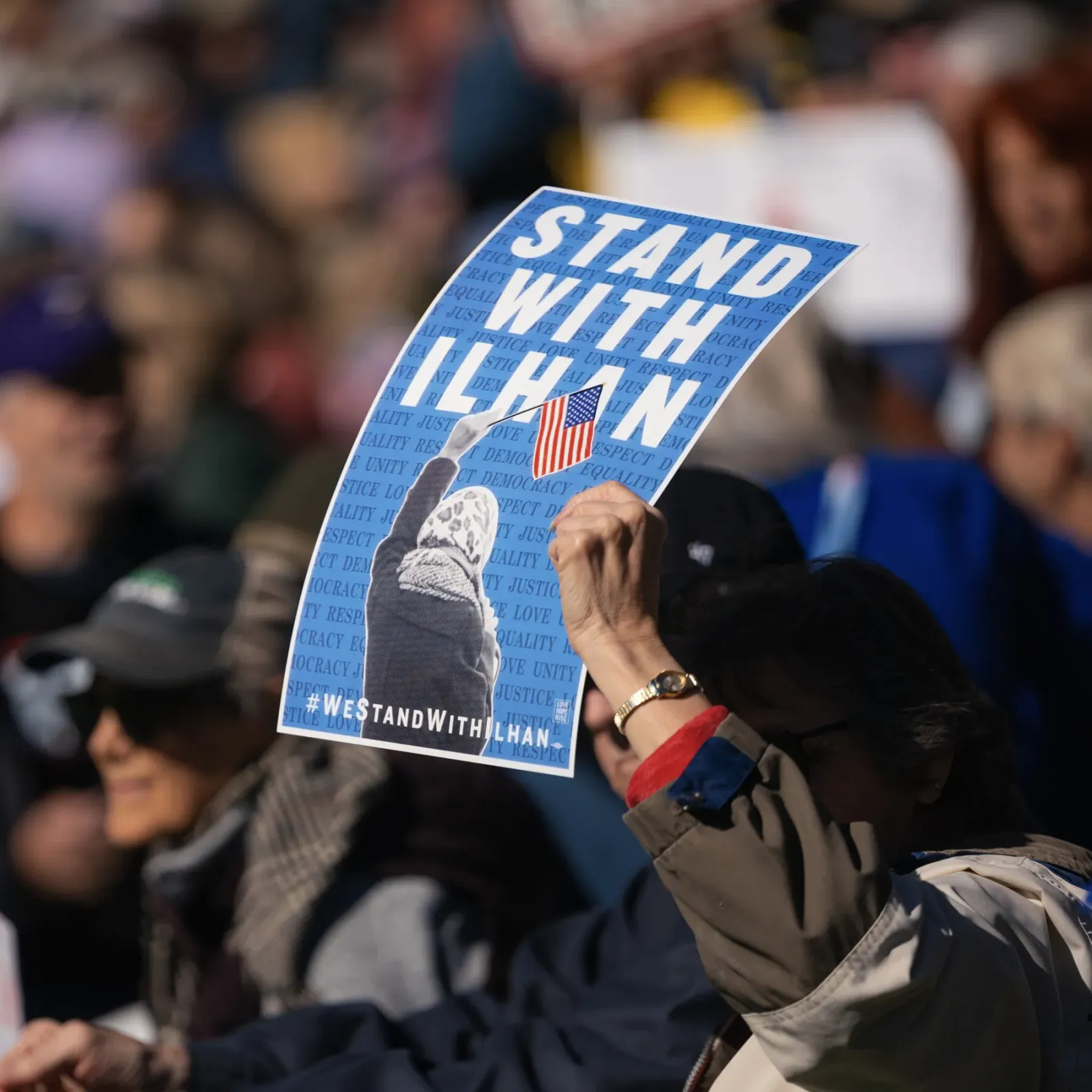
Obama Defends Ilhan Omar After Agents Search Her Home in Trump Inquiry
The former president's intervention raises the stakes in a federal probe into immigration paperwork that has put a prominent progressive lawmaker in the crosshairs.

Blair-era minister: cut welfare to fund youth job support
Alan Milburn's call for welfare cuts to fund employment support opens a Labour fight over benefits and the Neet crisis.
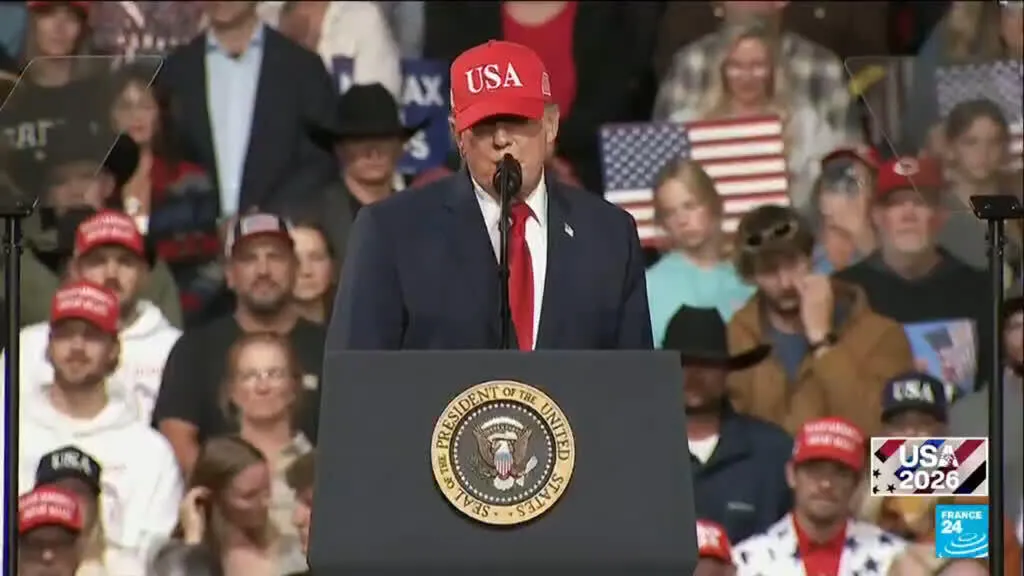
Hot September CPI: energy costs surge, voters feel the squeeze before midterms
The latest inflation print lands as Trump campaigns for GOP control of Congress, putting cost-of-living worries at the center of the midterm fight.