
Canada clinches World Cup last-16 for first time, beating South Africa 1-0
A historic knockout berth comes with a bigger lesson for everyone tracking tournament momentum, pressure, and VAR chaos.

Canada beat South Africa 1-0 to reach the World Cup last 16 for the first time in their history, with Eustaquio scoring in stoppage time. The result shifts the tournament’s competitive and political energy into the knockouts, where every minute and every ruling matter.
Canada just reached the World Cup last 16 for the first time in their history. They did it by beating South Africa 1-0, with Stephen Eustaquio scoring in stoppage time as the match tipped from tight to terminal.
That stoppage-time goal is the headline, but it is also the business of tournament football: margins, timing, and how quickly momentum can flip. The Al Jazeera report frames Canada’s win as an almost made-for-sports-social-media moment, with supporters reacting across platforms and attention stretching beyond typical match-day circles, from the prime minister to sport celebrities. In executive terms, it is a reminder that major events have spillover demand. A national team win is not just a result, it is a distribution of attention that investors, sponsors, broadcasters, and even political brands try to ride in real time.
From there, the tournament narrative widens. The report notes Eustaquio’s unusual background: he flip-flopped between his home country and that of his parents throughout his youth and senior career. That detail matters in the knockouts because it is not only about eligibility, it is about identity. When a player’s story involves choosing, reconsidering, and then landing, the team’s chemistry can feel different. Canada now turns that into a knockouts pathway, where they are “five wins away from winning the 2026 World Cup,” according to the tournament guide.
For anyone who thinks about how boards and executives operate under pressure, the structure is familiar. A group stage is where strategies are tested; the knockouts are where those strategies are either executed or exposed. The Al Jazeera coverage explicitly says the group stage is now behind them, with plenty of key talking points as the tournament enters the knockouts. That is the moment where decision-making quality, not just talent, starts to dominate. Coaches adjust. Players manage legs and emotions. Teams prepare for specific matchups, not generalized scenarios.
And this tournament is already loaded with second-order controversy. The report references “Iran’s stoppage-time winner ruled out by VAR,” and also says “Ghana denied a penalty against England.” In a league or a competition where regulatory systems can overturn outcomes late, the incentives change. Players and teams learn that game state is not the whole story. Officials, review windows, and interpretation become part of the risk model. VAR, in particular, can turn a match from “what happened on the pitch” into “what the process will approve.”
Al Jazeera also situates the 2026 World Cup inside a broader political reality. It calls this the second World Cup that comes after deadly nationwide protests inside Iran, and the first one amid a war. That is not just background color. For executives tracking global audiences, events, and brand safety, it signals that attention is likely to be bifurcated: sports news meets geopolitics and social media outrage. When politics is already in the room, the reputational temperature around broadcasters, sponsors, and federations rises, and disputes can become audience magnet pages.
So what does Canada’s 1-0 win really mean for decision-makers watching from the sidelines? First, it is a proof-of-competence moment. Reaching the last 16 for the first time in history is the kind of performance milestone that changes how teams plan, how federations justify budgets, and how commercial partners estimate demand. Second, it is a reminder that in the knockouts, the “stoppage time” mechanic is a strategic variable. Third, it is an early signal that the tournament will reward teams that can survive both the game and the process, since VAR and late rulings are already part of the story.
Canada’s next steps now sit inside that high-stakes reality. They are five wins away from the final, but each round compresses learning and expands consequences. For other teams, executives, and anyone managing reputational or operational exposure around major sports properties, this is the core lesson: outcomes are not purely athletic. They are the product of execution, systems, and timing, amplified by attention that can swing from victory celebrations to VAR debates in minutes.
This story's Key Insights and Take-aways are locked.
Create a free account to unlock Executive Actions for one credit.
Register to UnlockAlways free for Executives Club members. Join the Club
More in Politics
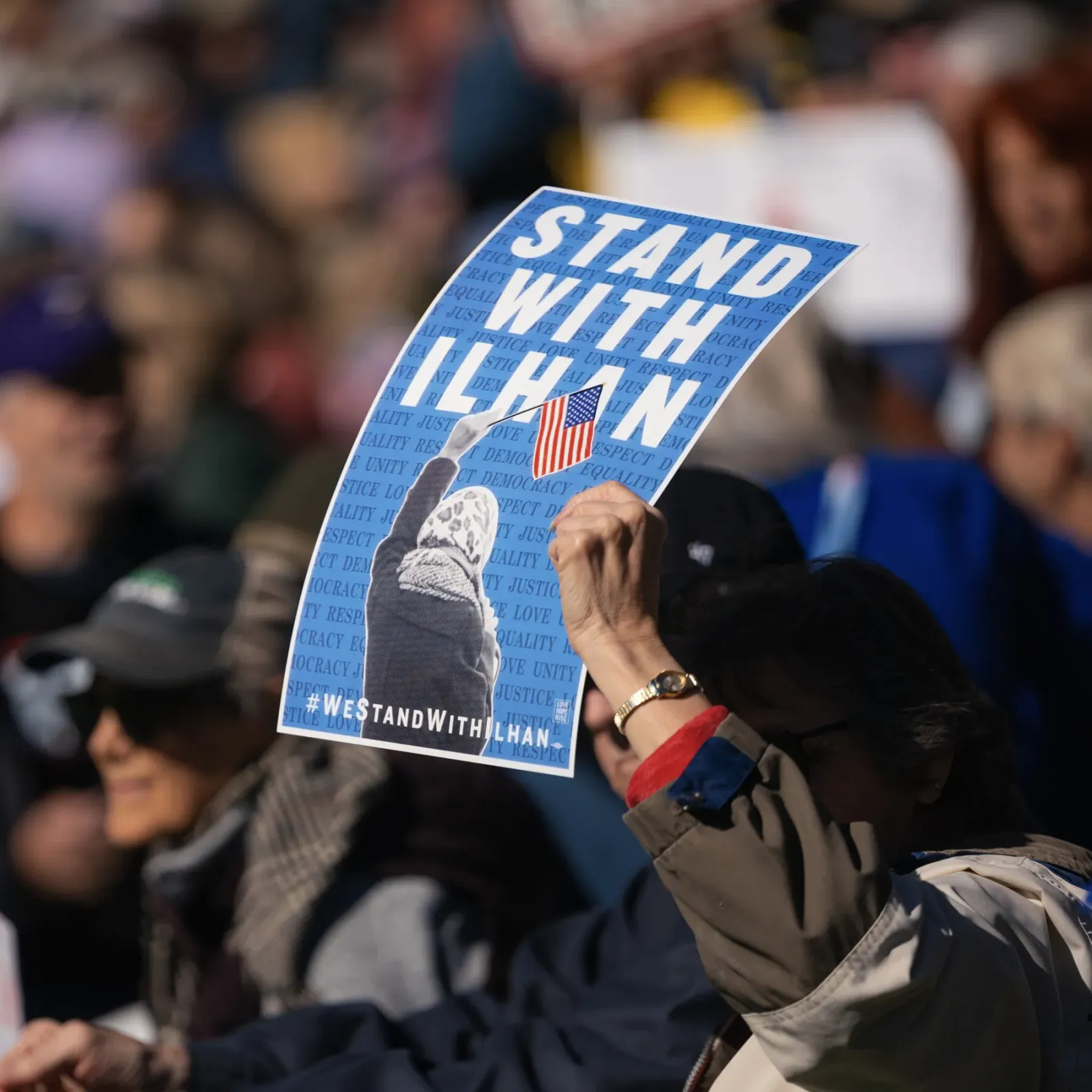
Obama Defends Ilhan Omar After Agents Search Her Home in Trump Inquiry
The former president's intervention raises the stakes in a federal probe into immigration paperwork that has put a prominent progressive lawmaker in the crosshairs.

Blair-era minister: cut welfare to fund youth job support
Alan Milburn's call for welfare cuts to fund employment support opens a Labour fight over benefits and the Neet crisis.

Hot September CPI: energy costs surge, voters feel the squeeze before midterms
The latest inflation print lands as Trump campaigns for GOP control of Congress, putting cost-of-living worries at the center of the midterm fight.