
Aleksandar Vucic faces mounting pressure as crime ties probe swirls with gang war
Years of investigations into alleged state-organized crime links now collide with a gang war, eroding support inside his base.

Serbia President Aleksandar Vucic is under growing pressure as years of investigations into alleged links between the state and organized crime coincide with a gang war. For decision-makers, the political stability risk is not theoretical: experts say the issue is eroding support within Vucic's own base.
Pressure on Serbia’s President Aleksandar Vucic is growing, and it is getting worse in a very specific way. Years of investigations into alleged links between the state and organized crime are now running alongside, and being intensified by, a gang war. In plain terms: the political question and the street-level violence are no longer separate stories.
That overlap matters because experts say the issue is eroding support within his base. This is not just opposition talking points. When alleged corruption or illicit networks become tied to public safety, supporters begin to ask a harsher question than “is this true?” They ask “why did it take so long?” and “what else is being missed?” For Vucic’s political coalition, the brand damage can spread faster than any single investigation.
To understand why this is so combustible, it helps to look at how inquiries into organized crime typically function in European governance. Alleged ties between state institutions and criminal groups can trigger long-running probes, legal processes, and ongoing scrutiny of enforcement bodies. Even when cases do not quickly result in convictions, the mere existence of investigations can alter how businesses, civil society, and foreign partners perceive risk. In countries where the public already feels the state is either slow to act or selective, repeated probes can start to look like a pattern, not an exception.
Now add the gang war. When violence escalates, it forces immediate attention from households, media, and political leaders. It also creates incentives for hardline responses, targeted policing, and sometimes last-minute policy shifts that do not always follow longer-term institutional checks. The result is a political feedback loop: if the public believes the state is compromised or ineffective, trust drops. If trust drops, the government’s authority to coordinate security and justice gets weaker. That weakness then becomes part of the narrative that critics push, including claims that criminal networks operate with tolerance or assistance.
There is also a “support base” dynamic that often gets misunderstood by outsiders. Political parties and leaders usually count on a core constituency that absorbs costs while believing the leader can manage the system. But core support is vulnerable when allegations land near lived experience. A supporter may tolerate bureaucracy. They may even tolerate imperfect governance. What is harder to tolerate is the sense that organized crime can survive because the state is entangled. Once that belief takes root, the erosion can happen quietly at first, then accelerate.
For decision-makers reading this from the sidelines, the second-order implications are just as important as the headlines. Political instability can change how governments prioritize enforcement and reforms. It can also affect regulatory predictability, because urgent security demands can crowd out longer-term reforms. In a practical sense, when investigations into alleged state-crime links become intertwined with a gang war, authorities may face pressure to deliver visible outcomes quickly. That can influence how licenses are processed, how procurement decisions are scrutinized, and how compliance expectations are communicated, even without any official policy announcement.
For companies operating in or near Serbia, this environment is a reminder of how governance and security risk travel together. Even if a firm has done everything “right,” shifting enforcement patterns and heightened political scrutiny can raise compliance costs and increase the importance of documentation. Boards typically respond by tightening oversight of anti-bribery controls, third-party diligence, and reporting lines. They also often revisit crisis and regulatory risk scenarios, because political legitimacy is not separate from operational risk when public safety is the central narrative.
And for investors and partners who think in terms of reform trajectories, the message in the source is clear: the pressure on Vucic is not fading, and experts believe it is eroding support within his base. That means the political center may face more strain as investigations drag on and violence remains in the news cycle. The strategic stakes are that Serbia’s internal political calculus could shift, altering the government’s capacity to sustain stable policy and maintain public trust. For any executive watching the region, this is the kind of situation where headlines translate into real-world uncertainty, and where “alleged links” can become more than legal files. They can become the explanation for what people see in the street.
This story's Key Insights and Take-aways are locked.
Create a free account to unlock Executive Actions for one credit.
Register to UnlockAlways free for Executives Club members. Join the Club
More in Politics
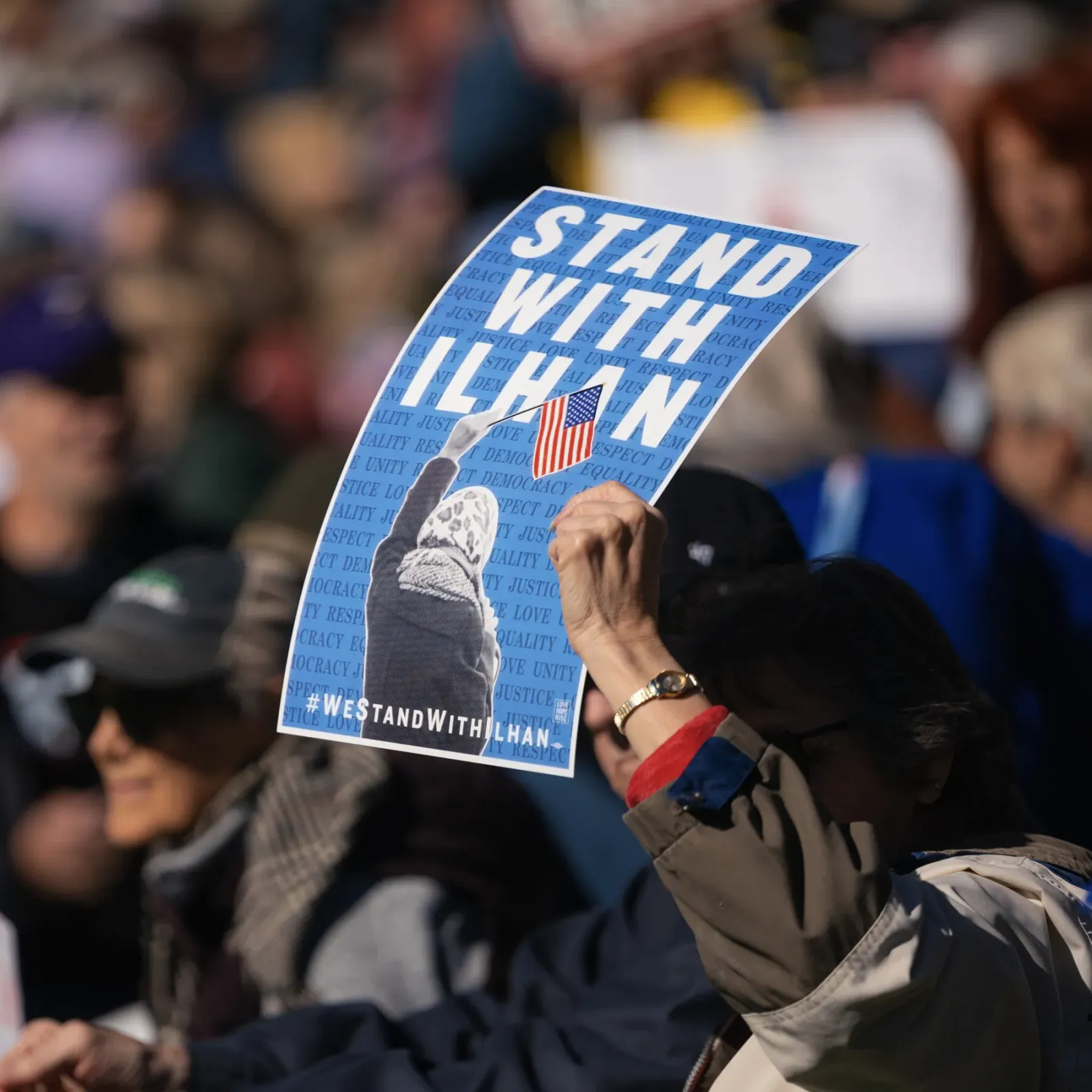
Obama Defends Ilhan Omar After Agents Search Her Home in Trump Inquiry
The former president's intervention raises the stakes in a federal probe into immigration paperwork that has put a prominent progressive lawmaker in the crosshairs.

Blair-era minister: cut welfare to fund youth job support
Alan Milburn's call for welfare cuts to fund employment support opens a Labour fight over benefits and the Neet crisis.
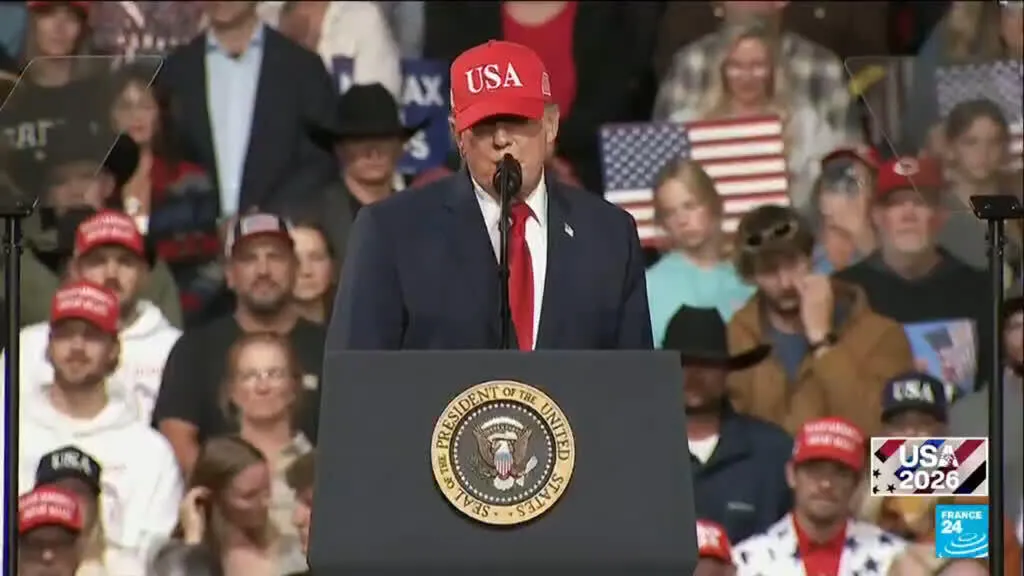
Hot September CPI: energy costs surge, voters feel the squeeze before midterms
The latest inflation print lands as Trump campaigns for GOP control of Congress, putting cost-of-living worries at the center of the midterm fight.