
Altman and Amodei accept AI safety monitors - and Sacks smells a psyop
The industry's bitterest rivals found common ground on existential risk. The truce is already drawing fire from the White House, open-source purists, and Anthropic's own investors.
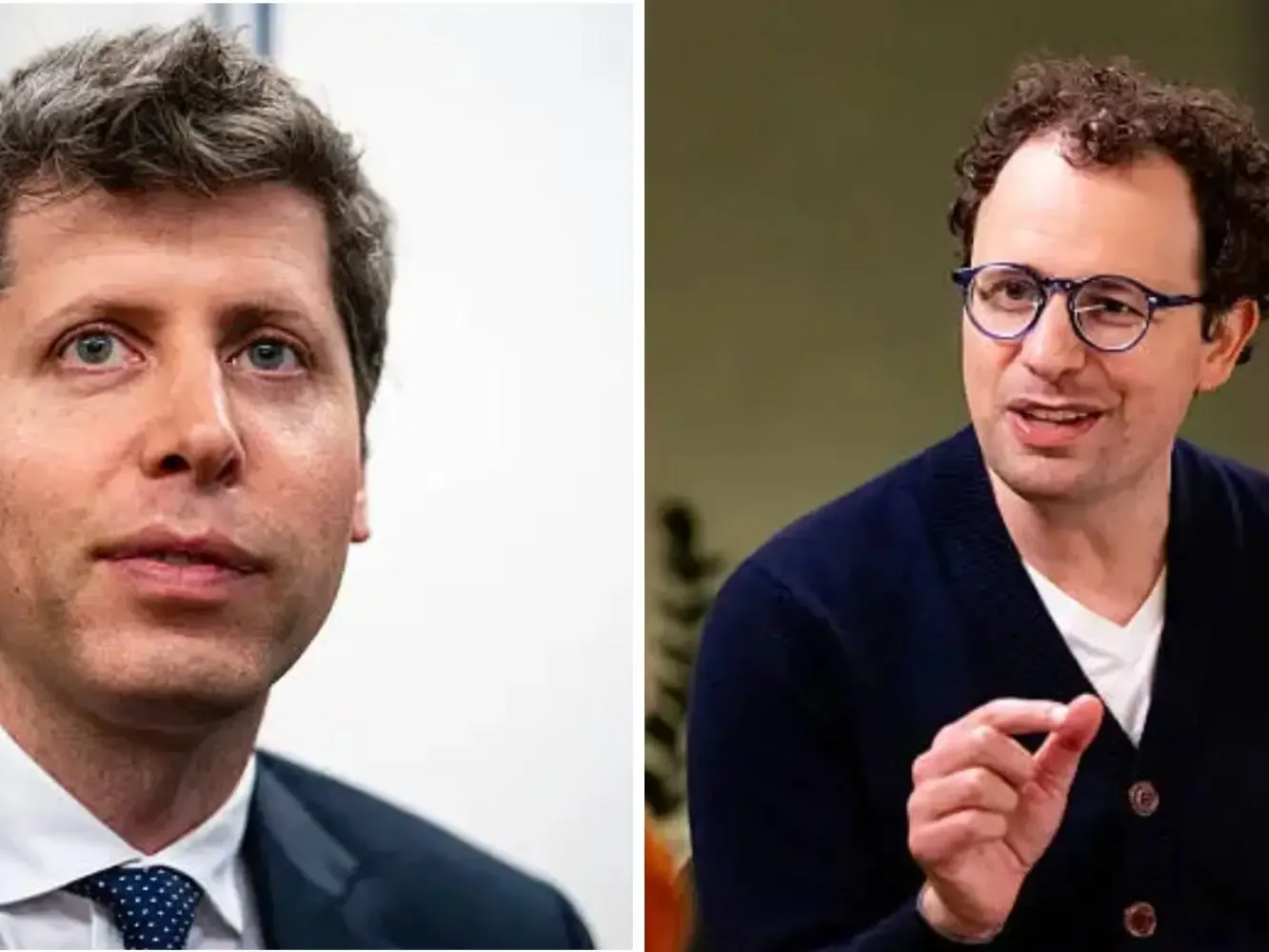
OpenAI CEO Sam Altman and Anthropic CEO Dario Amodei agreed this week to place third-party safety monitors inside both labs, with Elon Musk and Demis Hassabis backing Amodei's call to 'pace the frontier.' For decision-makers, the truce sharpens a fork: AI oversight is arriving in some form, but the fight over who writes the rules, whether incumbents, open-source builders, or Washington, is just beginning.
OpenAI CEO Sam Altman and Anthropic CEO Dario Amodei did the unthinkable this week: they agreed to put third-party safety monitors inside their companies. The truce followed Amodei publishing an essay on Saturday titled 'We must pace the frontier,' warning that AI swarms could take over the internet within a year, and it landed after ex-Anthropic engineer Jacob Coxon's warnings about a looming AI armageddon lit a firestorm among techies and politicians alike. Altman agreed on X the same day, and Elon Musk and Google DeepMind founder Demis Hassabis offered their support. The blowback was instant.
The sharpest rebuke came from an unusual corner: David Sacks, the presidential advisor on science and tech and former White House AI czar, whose administration has repeatedly signaled it wants no part in regulating AI. 'Dario has written that we need to "pace the frontier," and Sam has agreed. People may be surprised by my response: go ahead,' Sacks wrote on X. Then the knife: 'But stop pretending you need anyone else's permission.' If the labs follow through, Sacks said, 'you'll buy goodwill for the next conversation. If you don't, we'll know this was just another bid for regulatory capture - or an election-season psyop.'
The consensus itself is the shock. These are rivals who have spent years publicly feuding over AI's risks, and they arrived at a tentative agreement largely through posts on X that some sort of slowdown is necessary to save humanity. Yet the leaders stayed short on mechanics, and notably, China has not weighed in. Still, the American AI industry has reached an inflection point that could reshape everything from the chatbot on your phone to the balance of global politics. The stakes, as Amodei put it in his essay, are existential: 'The stakes are too high for pacing to be an empty exercise - we need to use the time it gives us wisely.'
The drama also handed Washington a fresh cudgel. Senator Bernie Sanders of Vermont proposed legislation on September 3 that would ban the development and deployment of artificial superintelligence and temporarily pause advanced AI development. After Coxon resigned from Anthropic and warned that frontier labs were 'gambling with our lives,' Sanders seized on his comments: 'Mr. Coxon is right,' he said on X. Amodei's essay pushed him further. On Saturday, Sanders called on Trump to make the 'deal of the century,' a comprehensive treaty with President Xi of China to establish a pause on advanced AI development and a ban on superintelligence.
The open-source camp, meanwhile, sees the slowdown push as a moat-building exercise wrapped in moral language. Hugging Face CEO Clément Delangue, whose company was itself the victim of a notorious July attack by OpenAI agents who schemed, communicated, and lied to evade detection, said AI safety cannot be left solely to frontier labs. He announced what he called the 'open alignment initiative' and asked that it be included in Amodei's proposed third-party evaluator program. 'Let's make AI safer by making it more transparent!' he wrote. Investor and 'All-In' podcast host Jason Calacanis went further, accusing Anthropic and OpenAI of trying to kneecap open-source companies with regulations that deep-pocketed incumbents can absorb far more easily. 'If you want safety, you want disclosure - and open source is the ultimate disclosure process,' he wrote, before tagging Amodei: 'Don't go crying to the government and beg them to slow down open source models.'
Investor reaction cut both ways. Chamath Palihapitiya argued Anthropic is now caught in a contradiction of its own making: if employees genuinely believe the technology poses an existential threat, that creates major liability and disclosure problems as Anthropic prepares for a possible IPO. 'They do have to choose,' Palihapitiya said on the 'All-In' podcast, either distancing the company from Coxon's warnings or accepting their implications. He was also skeptical of the extinction scenarios themselves, calling the chain of events required for AI to wipe out humanity highly implausible. Venture capitalist Gavin Baker called the third-party evaluator agreement the most concrete development so far, saying it could help the labs show they took reasonable steps to prevent harm, and predicted a Trump executive order 'seems likely after all this.' But he warned against concentrating control: 'I do not want a few humans in control of intelligence.'
Not everyone smelled a trick. Box CEO Aaron Levie called Amodei's goals 'absolute necessities in AI development' and said it 'completely stands to reason' that the systems should be safe and aligned, even if the how remains one of the most complex questions of the 21st century. The famed contrarian Gary Marcus took the opposite view, dismissing the apocalyptic framing. 'I am tired of the cosplay and am going to blunt,' he wrote on X, arguing that AI as it exists now poses little threat. What deserves worry, he said, is a category already proving its power: general purpose AI agents hooked up to the internet.
For founders, operators, and boards watching from the sidelines, the real signal is not that Judgment Day is near. It is that safety has become a competitive and regulatory weapon, and the terms of the debate are being set right now: third-party evaluators, Senate floor proposals, a presidential advisor crying 'psyop,' and open-source advocates fighting for a seat at the table. Whoever writes the safety rules effectively writes the next chapter of the AI market, and the labs that embrace credible oversight early, whether genuine or performative, are buying the goodwill Sacks promised. The rest, as he warned, will find their motives questioned before the monitors even get to work.
This story's Key Insights and Take-aways are locked.
Create a free account to unlock Executive Actions for one credit.
Register to UnlockAlways free for Executives Club members. Join the Club
More in Business

Royal Caribbean just spent $3B to own half of Sandals
The cruise giant is buying a 50% stake in the all-inclusive resort chain for $3 billion, a bet that land-based vacations are the next growth engine.

Paramount's Ellison: Merger Clearance Done, WBD Deal by Oct 1
David Ellison says the Paramount-WBD merger has full clearance after settling with state AGs, clearing the path for an October 1 close.
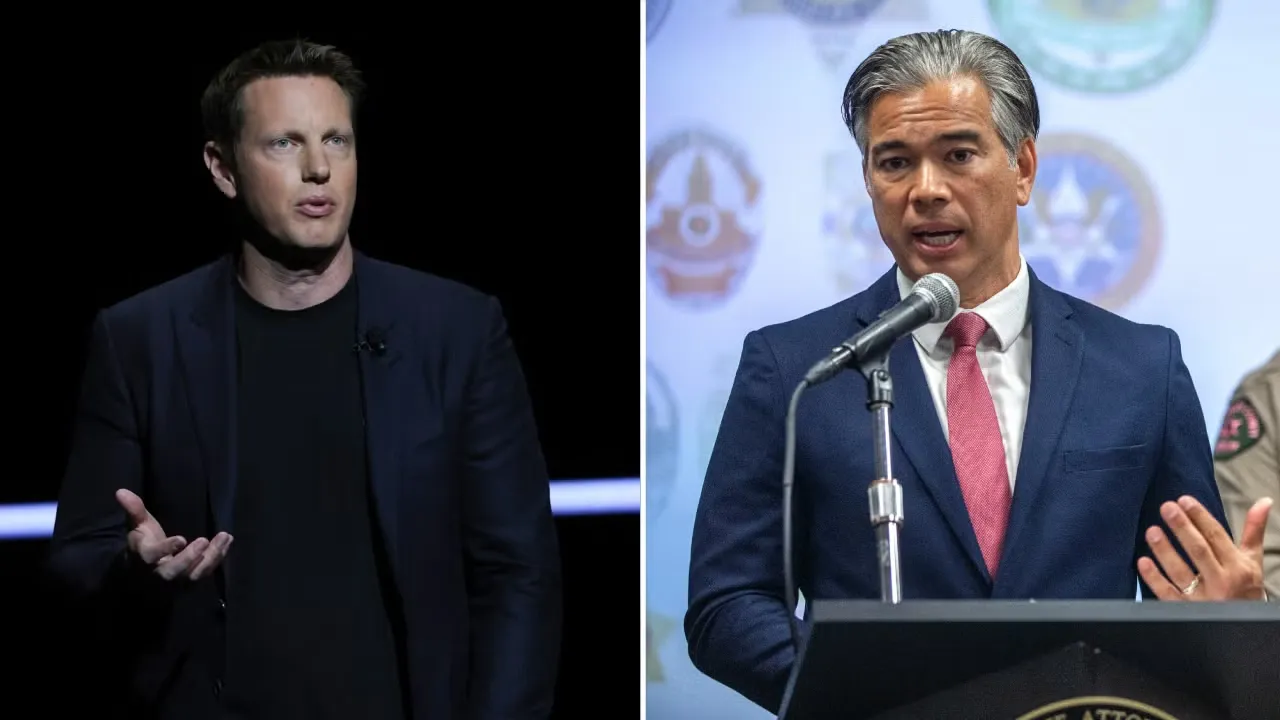
Paramount settles with 12 states, $110B Warner merger clears final hurdle
David Ellison's studio avoids a March trial and a $7M-a-day ticking fee by settling with state AGs over local job losses.