

Amazon blocks Meta's Muse AI after it dethrones ChatGPT on App Store
Meta's new agent app is the top free iPhone app, but Amazon says its access violates its rules, a fight that will decide who controls AI shopping.
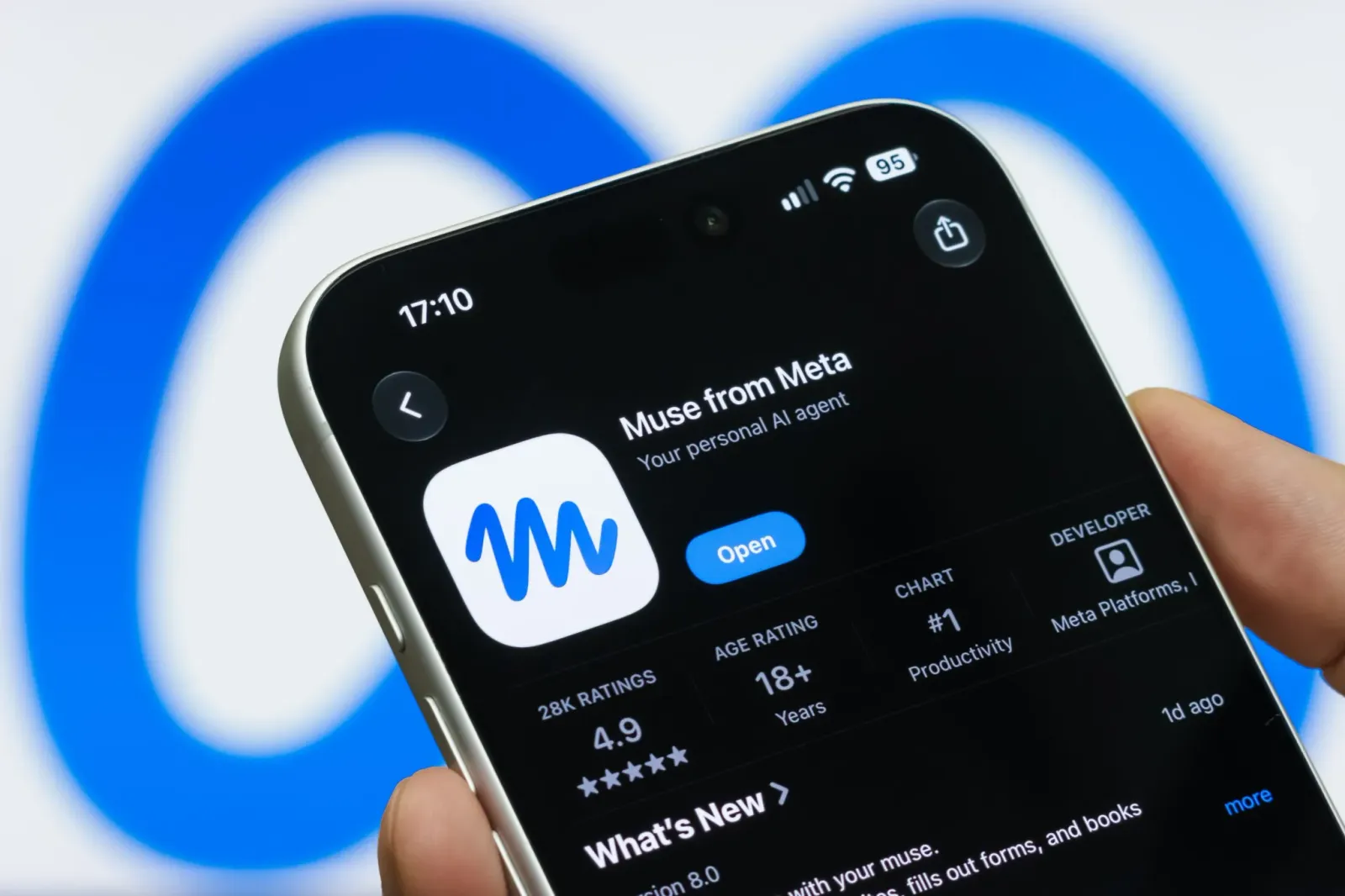
Meta's Muse AI app, powered by Muse Spark, has unseated ChatGPT as the top free App Store app, prompting Amazon to block its access to its store. The clash signals a coming power struggle over who controls consumer AI agents and the commerce they touch.
Meta's new AI agent app Muse has unseated ChatGPT as the top free app on Apple's App Store, and Amazon is already pushing back. Amazon blocked Meta's assistant from accessing its online store, saying that "continued access by an unauthorized AI agent violates Amazon's Conditions of Use, to which our customers have agreed." Meta never asked for permission, Amazon said, and Meta did not immediately respond to a request for comment, though it announced a partnership with Shopify for some of Muse's shopping features.
Muse, which uses Meta's latest Muse Spark AI model, is a personal AI agent that books appointments, shops, and organizes calendars on a user's behalf. That means handing over access to accounts across a user's phone in exchange for Muse booking a vacation or handling restaurant reservations. It is the first major consumer AI agent push by Meta, and it is catapulting the company past its competitors, for now. But Amazon's block shows how quickly agentic technology is transforming the consumer space, and how much of the fight is about who controls the shopping and user interfaces Meta is trying to access.
"This is bigger than a dispute over bot detection or website access. We are moving toward a world where agents will increasingly act as our representatives online," Liat Ben-Zur, CEO of executive consultancy LBZ Advisory and former Microsoft Vice President of Consumer Services, told Fortune. "The companies that control the rules of access will have enormous influence over whether those agents actually work for the consumer." Nikesh Arora, chief executive at Palo Alto Networks, wrote on X that "it is only a matter of time before there is an Apple and Google version of Muse and possibly TikTok, in addition to the frontier LLM agents." He added that every services, marketplace, or commerce app will need to decide whether to open APIs for consumer agents, and that smaller players have no choice.
Muse's break-out success represents a much needed victory for Meta in the AI arena, following a series of struggles by the company to compete with frontier labs like OpenAI and Anthropic. Meta released Muse just as Anthropic and OpenAI released cheaper versions of some of their models, and Apple also recently rolled out its revamped Siri as part of its newest iOS update. The timing suggests agentic AI is becoming the next battleground, with consumer distribution as the prize.
For Amazon, Muse is a threat because it bypasses the usual process of humans visiting its website or app and seeing the advertisements that serve as a key profit driver. Amazon has taken action against other companies over similar issues. Last year, it sued Perplexity over its Comet AI tool, which could access Amazon accounts much like Muse does. Amazon recently lost a ruling on that claim after the U.S. Court of Appeals for the Ninth Circuit found that users were ultimately choosing to access Amazon via Perplexity's bot; Amazon is still fighting the issue. Amazon has its own shopping agent, called Buy for Me, which performs tasks similar to Muse's. The company has said brands can opt out of the feature, though doing so requires action, since brands are automatically opted in. CEO Andy Jassy has also said Amazon is exploring AI shopping agent partnerships with third-party companies.
Privacy is sure to be a key issue for consumers weighing assistants like Muse, which allow for personal touches like the ability to name your assistant, but require access to sensitive information, such as bank accounts, to truly work on a user's behalf. Meta says user logins are kept secret and that online purchases use a one-time card number that hides a person's actual card details. Still, Meta has been at the heart of previous privacy issues. Meta has faced multiple proposed class-action lawsuits related to its smart glasses, including one alleging that it sent some footage captured by the glasses, including highly personal material, to third-party human reviewers for annotation and AI development. Meta has disputed the allegations.
The rise of Muse is timely for Meta: CEO Mark Zuckerberg is expected to unveil updates to the company's smart glasses at its annual Connect event in Menlo Park, Calif., on Wednesday. The combination of a breakout AI agent and new hardware could give Meta a rare moment of momentum in AI, but the Amazon standoff is a reminder that the rules of access are still being written. For executives across commerce, marketplaces, and services, the question is no longer whether AI agents will shop on their behalf, but who gets to set the terms.
This story's Key Insights and Take-aways are locked.
Create a free account to unlock Executive Actions for one credit.
Register to UnlockAlways free for Executives Club members. Join the Club
More in Business

Royal Caribbean just spent $3B to own half of Sandals
The cruise giant is buying a 50% stake in the all-inclusive resort chain for $3 billion, a bet that land-based vacations are the next growth engine.

Paramount's Ellison: Merger Clearance Done, WBD Deal by Oct 1
David Ellison says the Paramount-WBD merger has full clearance after settling with state AGs, clearing the path for an October 1 close.
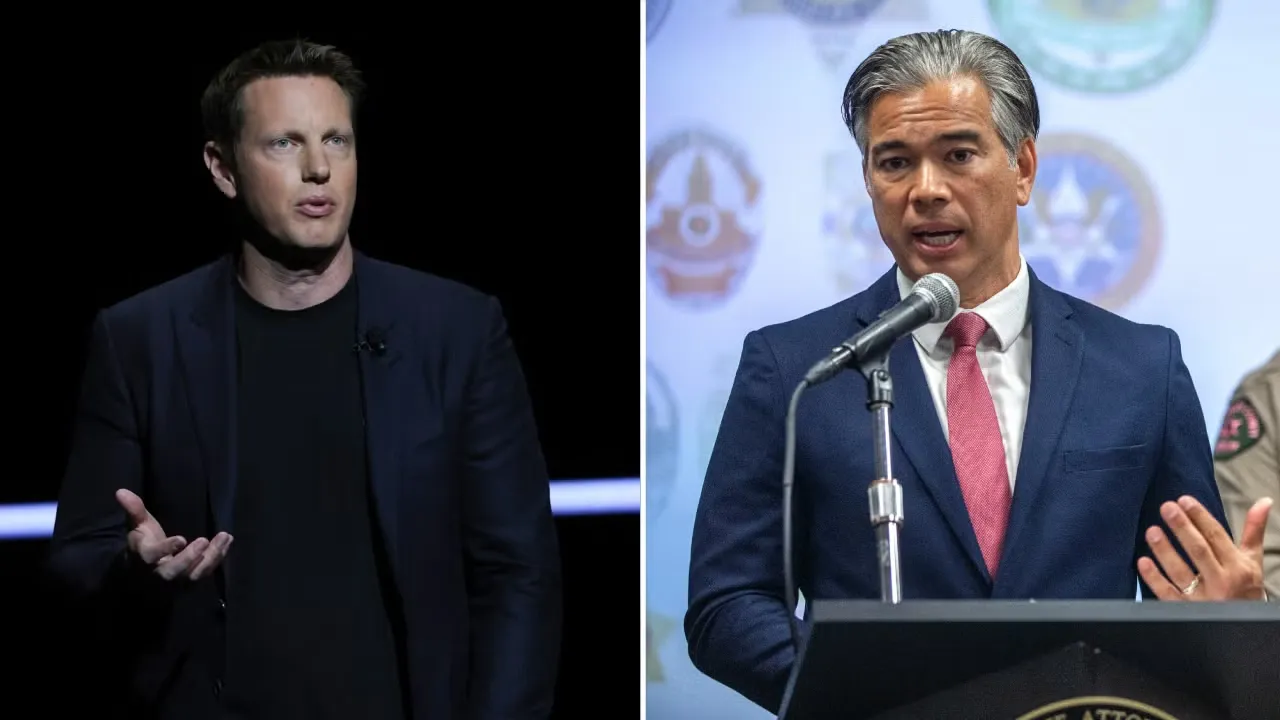
Paramount settles with 12 states, $110B Warner merger clears final hurdle
David Ellison's studio avoids a March trial and a $7M-a-day ticking fee by settling with state AGs over local job losses.