
Amazon reveals 2.5B gallons of data-center water use in 2025, and the rate drops
New disclosure lands as regulators and employees push for limits, testing how big AI buildouts stay legal and credible.
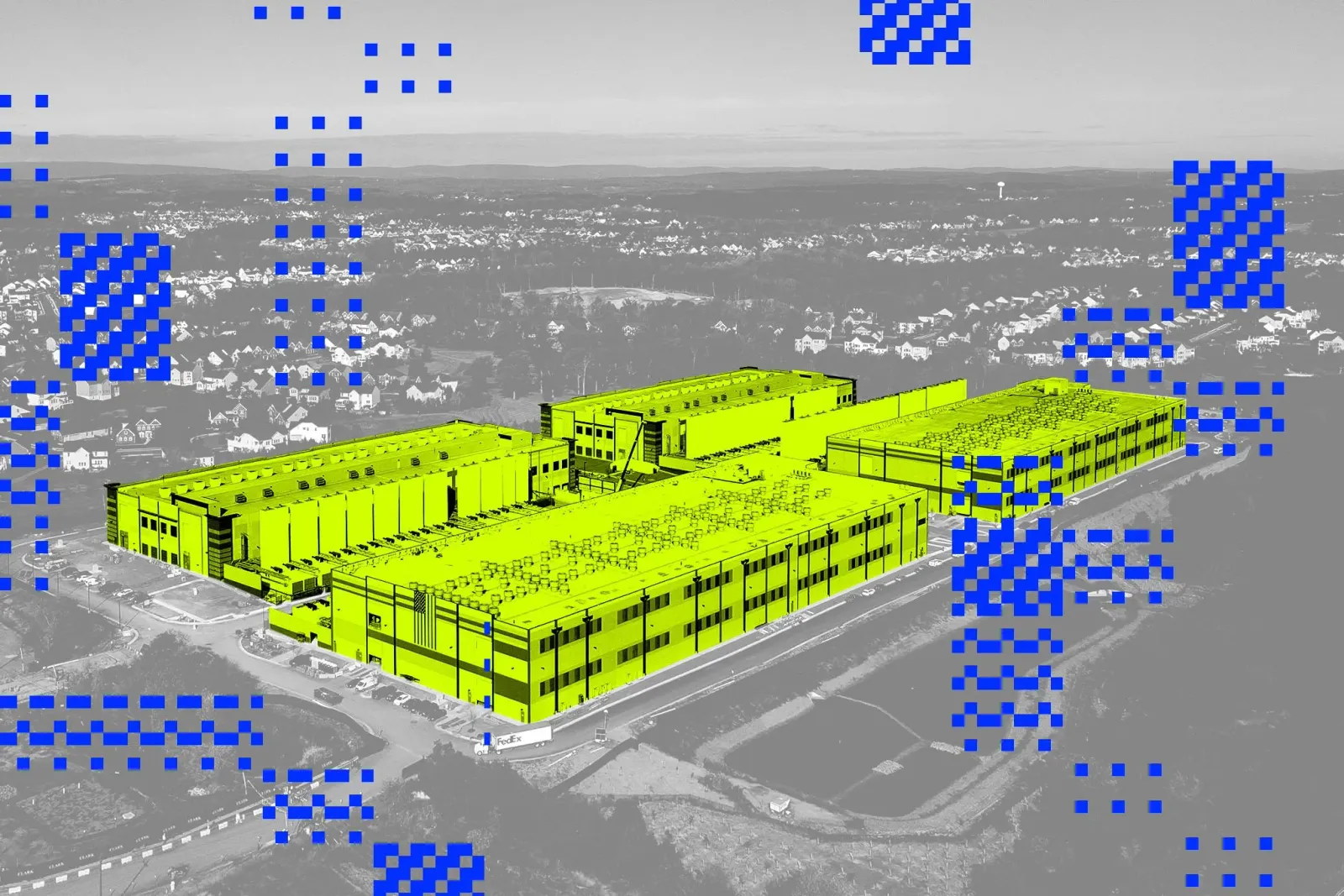
Amazon disclosed that its global data center operations consumed 2.5 billion gallons of water in 2025. For decision-makers, the combination of total water use, a measured efficiency rate, and a policy backdrop sets the terms for future expansion under scrutiny.
Amazon says its global data center operations consumed 2.5 billion gallons of water in 2025, and it framed the number with a second metric: a water use rate of 0.12 liters per kilowatt-hour of electricity. The company also claimed this was down two percent from its 2024 total, even as it expanded operations.
That matters because this disclosure arrives right after Seattle enacted a one-year data center moratorium. The Verge reports the moratorium followed pressure that included some of Amazon’s own employees, and it puts water and energy consumption at the center of the debate over new AI data center construction. In other words, this is not just an accounting exercise. It is a response to a live policy fight over whether the world’s biggest cloud and AI infrastructure is consuming resources fast enough to trigger public limits.
To understand why the timing is sharp, zoom out for a moment. Data centers sit at the intersection of compute demand and physical constraints. Electricity is the obvious bottleneck, but water is a less intuitive one that becomes real when you talk about cooling at scale. As AI workloads grow, the construction pipeline accelerates, and regulators tend to respond to visible impacts: local environmental stress, strained water supplies, and the broader question of whether communities can absorb the footprint of hyperscale buildings.
Seattle’s moratorium is the kind of move that forces companies to do two things at once. First, it freezes expansion plans or at least complicates them. Second, it increases the importance of credible disclosures. Amazon’s reported move to share how much water its data centers use, reportedly for the first time, is a direct attempt to meet the information gap that regulators and the public often exploit. If officials cannot quantify the impact, they tend to err toward caution. If a company can quantify it, it can argue for proportionality, targeted mitigation, or better standards.
The headline number, 2.5 billion gallons in 2025, is the part that will stick in any boardroom because it is absolute and emotionally legible. But Amazon also tried to give executives a reason to look past the total. By highlighting that its rate was 0.12 liters per kilowatt-hour of electricity and that it dropped by two percent versus 2024, Amazon is essentially saying: yes, we used a lot of water, but we got more efficient even while expanding.
That framing is strategically important. In policy battles, opponents often attack totals, while companies often pivot to intensity metrics. Totals show scale. Intensity shows improvement. When a company expands and still reports a declining rate, it can argue that growth is not automatically equal to worse environmental outcomes. It is a way to turn what could look like a runaway cost into something closer to a managed tradeoff.
Amazon also claims it is using water more efficiently than some Big Tech rivals, according to the source. The report mentions that a graphic in Amazon’s report points to this comparison. Even without repeating the underlying details here, the strategic intent is clear: Amazon wants to place itself in a relative leadership position, not only to justify its own trajectory but also to influence how regulators benchmark competitors. If the market expects a “race to the bottom” on resource intensity, disclosures like these can shift the narrative toward “race to reduce per-unit impact,” which tends to be easier to defend politically.
For decision-makers at other hyperscalers, cloud providers, and AI infrastructure builders, the second-order effect is that regulators and stakeholders will start asking for the same metrics, on the same timeline. Once one company publishes a global water figure and links it to electricity usage, it becomes the reference point for scrutiny and for peer comparisons. It also pressures internal teams to validate their measurement methods, reporting granularity, and auditability, because future permits and zoning decisions will likely hinge on whether efficiency claims are consistent over time.
Finally, this is a reminder that AI expansion is not just an engineering roadmap. It is a policy roadmap too. When cities impose moratoriums, the winners are often the operators who can pair growth with credible resource management. Amazon’s disclosed numbers and efficiency rate are aimed at that exact goal, and they will likely influence how other executives think about water and energy planning for the next wave of AI data center construction, not after the ribbon cutting, but before the permit process starts.
This story's Key Insights and Take-aways are locked.
Create a free account to unlock Executive Actions for one credit.
Register to UnlockAlways free for Executives Club members. Join the Club
More in Technology

OpenAI says 10,000 agents cracked a 90-year math problem in 88 hours
The company's claim is audacious, but one mathematician is pushing back. Here's what it means for AI-driven discovery.
Meta still serves child sexual abuse ads on Instagram in India - BBC report
A new report following the BBC Eye investigation says the ads are still there - what it signals for every platform with a self-serve ad engine.
White House yanks 'Build the Wall' game after Tetris Company copyright warning
The administration's arcade game vanished in hours - and the takedown playbook every brand can learn from.