

AMD smashes $1 trillion market cap, joins elite group of 14 U.S. firms
The AI chipmaker's ascent underscores investor conviction in data-center computing and raises the stakes in its rivalry with Nvidia.

AMD CEO Lisa Su led the company to a $1 trillion market cap, the 14th U.S. company to reach that level. The milestone reflects surging demand for AI chips and pressures competitors to accelerate innovation.
AMD just crossed a line only 13 other U.S. companies have ever crossed: a $1 trillion market cap. The chipmaker became the 14th U.S. company to hit that valuation, a milestone that cements its position as a heavyweight in the AI-driven tech rally. For a company that was left for dead a decade ago, this is more than a number - it's a declaration that the AI era has a new co-leader.
The move puts AMD in rarefied air, but it's not just a vanity metric. It signals that investors are betting big on the company's data-center GPUs and its ability to challenge Nvidia's dominance in AI accelerators. With Nvidia already past $1 trillion and now AMD joining, the AI chip race is officially a two-horse contest. The broader AI stock surge has lifted all boats, but AMD's ascent is notable for its velocity: it took just a few quarters of AI optimism to flip the company's valuation from a mid-cap laggard to a trillion-dollar juggernaut.
Under CEO Lisa Su, AMD has executed one of the most dramatic turnarounds in tech history. When she took over in 2014, the company was bleeding cash and struggling to compete with Intel. Su bet on a chip architecture that could scale from PCs to data centers, and that bet paid off. The same technology now powers AMD's MI300 accelerators, which are eating into Nvidia's market share in AI training and inference. Analysts note that AMD's roadmap is narrowing the performance gap with Nvidia, and cloud providers are eager to diversify their AI chip sourcing.
The market cap milestone is a vindication of that strategy, but it also raises expectations. Investors are pricing in continued growth in AMD's data-center segment, which has become the company's largest revenue driver. Any stumble - a delayed product, a supply chain snag, or a miss on quarterly guidance - could trigger a sharp correction. The trillion-dollar club is not a safe harbor; it's a glass ceiling where every misstep is magnified.
For executives across tech, AMD's milestone is a signal to reassess the AI value chain. Companies that rely on Nvidia for AI compute now have a credible alternative, which could improve their negotiating leverage. At the same time, the concentration of AI chip design in just two firms raises systemic risks. If either company hits a production bottleneck, the entire AI industry could stall. Boards should be mapping out contingency plans for chip supply, even if they aren't direct buyers.
The milestone also invites regulatory attention. When a market becomes a duopoly, antitrust scrutiny tends to follow. Regulators have already probed Nvidia's dominance, and AMD's rise could complicate the narrative - but it could also be used to argue that the market is competitive. For now, the rally in AI stocks shows no signs of cooling, but history suggests that every trillion-dollar mark is met with a fresh wave of skepticism about valuation.
For decision-makers, the takeaway is not to chase the hype but to understand the underlying demand. AMD's $1 trillion cap is a reflection of real spending on AI infrastructure, not just speculation. Companies are pouring billions into data centers, and the chips that power them are now a critical input. Whether you're a CIO planning capacity or a CFO managing procurement, the AMD-Nvidia rivalry is now a strategic variable in your budget.
The next few quarters will be telling. AMD's earnings will show whether it can convert hype into cash flow, and Nvidia's response will define the pace of innovation. For now, the message is clear: AI is not a side bet - it's the engine of the market, and AMD just proved it can drive that engine.
This story's Key Insights and Take-aways are locked.
Create a free account to unlock Executive Actions for one credit.
Register to UnlockAlways free for Executives Club members. Join the Club
More in Business
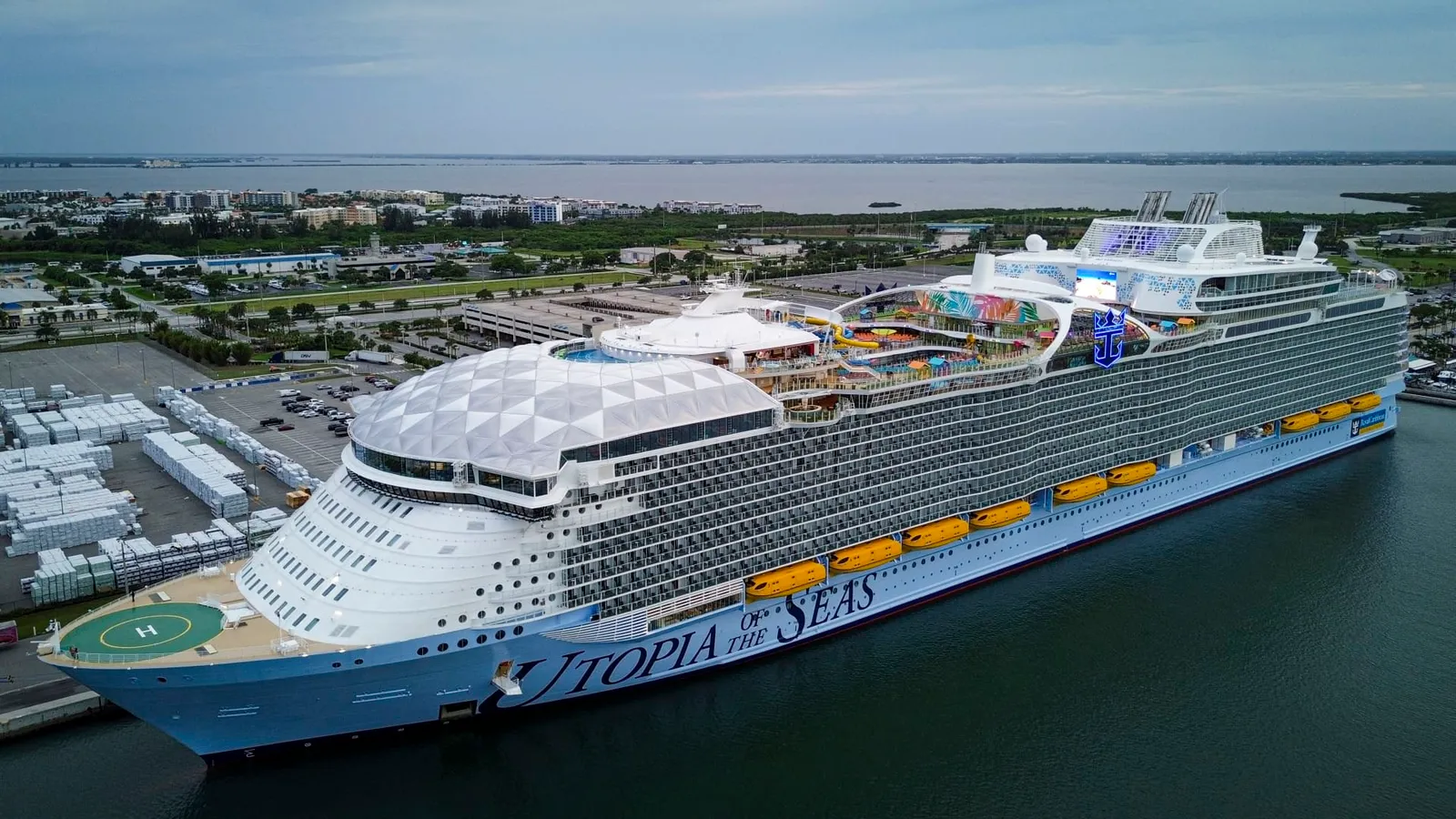
Royal Caribbean just spent $3B to own half of Sandals
The cruise giant is buying a 50% stake in the all-inclusive resort chain for $3 billion, a bet that land-based vacations are the next growth engine.

Paramount's Ellison: Merger Clearance Done, WBD Deal by Oct 1
David Ellison says the Paramount-WBD merger has full clearance after settling with state AGs, clearing the path for an October 1 close.

Paramount settles with 12 states, $110B Warner merger clears final hurdle
David Ellison's studio avoids a March trial and a $7M-a-day ticking fee by settling with state AGs over local job losses.