

Amex cuts 5% of workforce, takes $336M charge to 'prepare for AI'
The card giant is betting AI will let it run leaner, but the restructuring charge hits right as investors digest Q3 results.
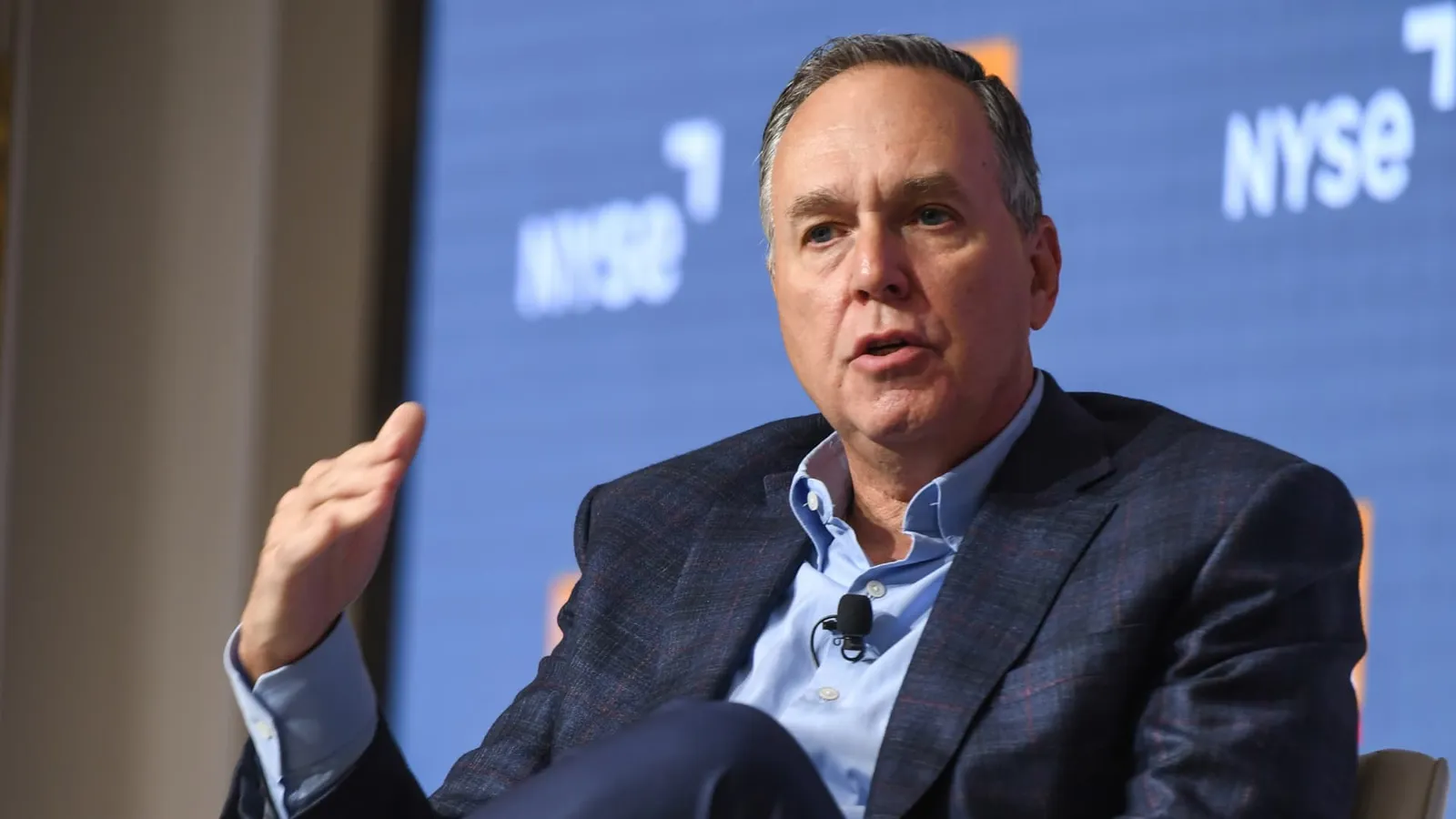
American Express CEO Stephen Squeri announced a 5% workforce reduction and a $336 million restructuring charge tied to AI preparation, alongside the company's third-quarter results. The move signals a strategic shift toward automation that could pressure other financial firms to accelerate their own AI-driven cost plans.
American Express is cutting about 5% of its workforce, and CEO Stephen Squeri is tying the layoffs directly to artificial intelligence. The company, which reported third-quarter results earlier Friday, is taking a $336 million restructuring charge in the quarter, Squeri said. That charge is the price tag for reshaping a workforce that Amex believes will be smaller and more AI-leveraged going forward. For a company that has long prided itself on premium service and a massive global sales force, the move is a clear signal: even the most relationship-driven financial brands now see AI as a reason to shrink headcount, not just augment it.
The $336 million charge is not a rounding error, but it is also not a crisis for a company of Amex's scale. The card issuer reported third-quarter results on the same day, and the restructuring is designed to position the company for a future where AI handles tasks that humans used to do. Squeri's framing, that the cuts are to "prepare for AI," is notable because it is more direct than the typical corporate language of "efficiency" or "digital transformation." Executives are increasingly willing to say the quiet part out loud: AI is replacing roles, and the savings are being reinvested into technology.
For context, Amex is not alone. Banks and financial services firms have been experimenting with AI for years, but 2024 and 2025 have marked a shift from pilot projects to actual workforce planning. JPMorgan, Citigroup, and Goldman Sachs have all talked about AI's potential to change how their employees work, and now Amex is putting a hard number on it. A 5% workforce cut at a company with roughly 75,000 employees translates to around 3,700 roles, though Amex did not specify exactly which departments will be hit. The restructuring charge suggests severance, benefits, and related costs, but the long-term bet is that AI will reduce the need to backfill those positions.
The timing is also strategic. Amex reported third-quarter results earlier Friday, which means the layoff news landed alongside the company's financial performance. That is a common playbook: bundle bad news with a broader earnings narrative so investors can weigh the one-time charge against ongoing revenue and profit trends. The $336 million charge will weigh on the quarter's reported earnings, but if investors see it as an investment in future efficiency, the stock may shrug it off. The real question is whether the AI-driven savings materialize quickly enough to offset the upfront cost.
For other CEOs and CFOs, the Amex move is a benchmark. It provides a concrete data point for what it costs to restructure for AI: roughly $336 million for a 5% cut at a company of this size. Boards will be asking their management teams how their own AI plans compare, and whether they are moving fast enough. The competitive pressure is real because Amex is not a struggling company cutting costs to survive; it is a profitable, premium brand making a deliberate bet that AI will make it leaner and more competitive. That changes the calculus for peers who might have been waiting for more evidence before committing to their own workforce reductions.
There are also regulatory and reputational considerations. Large workforce reductions in financial services attract attention from lawmakers, labor advocates, and the media, especially when framed around AI. Amex's explicit language could invite scrutiny about how the company is handling the transition, including whether affected employees are being offered retraining or severance packages. The company did not disclose those details in the source, but the restructuring charge implies a formal process. For executives watching from the sidelines, the lesson is that AI-driven layoffs are no longer hypothetical; they are happening at blue-chip companies with real dollar figures attached.
The second-order implications extend beyond financial services. If Amex, a company known for its customer service and premium cardholder experience, believes AI can replace a meaningful slice of its workforce, then companies in other service-heavy industries will face similar questions. Call centers, underwriting, fraud detection, marketing, and even relationship management are all areas where AI tools are improving rapidly. The Amex announcement is a signal that the cost curve for AI has crossed a threshold where even high-touch businesses are willing to bet their headcount on it.
For decision-makers, the strategic takeaway is not just that AI is coming, but that the window for proactive restructuring is narrowing. Companies that move early can frame their AI transition as a strategic investment, complete with restructuring charges and a clear narrative for investors. Companies that wait may find themselves reacting to competitive pressure, with less time to retrain workers and less control over the story. Amex has chosen its moment, and the $336 million charge is the cost of admission. The question now is whether the AI-powered future delivers the efficiency gains that justify the human cost.
This story's Key Insights and Take-aways are locked.
Create a free account to unlock Executive Actions for one credit.
Register to UnlockAlways free for Executives Club members. Join the Club
More in Business

A flaw in PHP just forced governments to pull their own sites offline
European agencies from Belgium to Germany took websites dark to patch a critical weakness in the language behind almost 70% of the web, and the blast radius extends far beyond government portals.

BioWare shuts down, Mass Effect 5 dead after $55B EA buyout
The legendary RPG studio's closure lands months after a $55 billion investment group buyout of EA, raising tough questions for gaming's biggest acquirers.
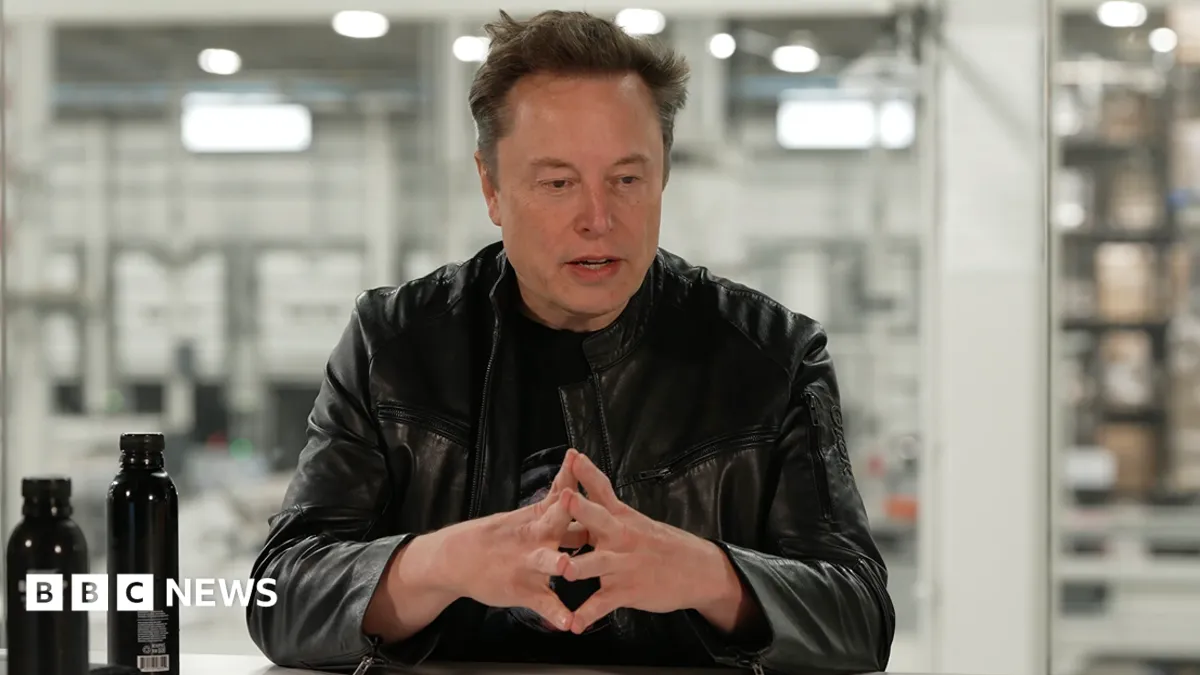
Musk weighs Tesla-SpaceX mega-merger as boards form review panels
Special committees at both companies will examine a tie-up that could fuse electric vehicles and space launch, forcing a fresh look at governance and valuation.