
Musk weighs Tesla-SpaceX mega-merger as boards form review panels
Special committees at both companies will examine a tie-up that could fuse electric vehicles and space launch, forcing a fresh look at governance and valuation.
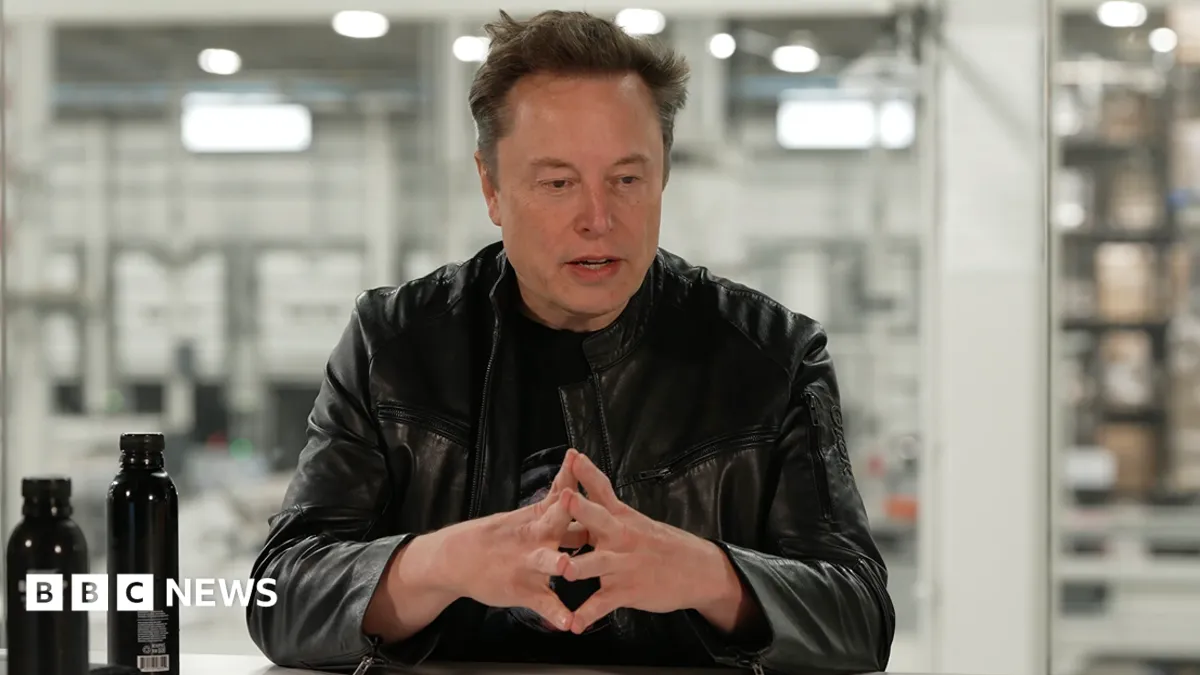
Elon Musk says Tesla and SpaceX have each formed special committees to explore a possible mega-merger, according to BBC News. For decision-makers, the review could reshape how founder-led companies approach related-party deals and cross-industry consolidation.
According to BBC News, Elon Musk is considering a Tesla-SpaceX mega-merger, and the first formal step has already been taken: special committees within both companies have been formed to examine the possible deal. The reporting is sparse on terms, but the fact that two boards have created review panels early is a serious signal, not a passing idea. Musk leads both companies today, so the move effectively puts him on both sides of the negotiating table before any term sheet exists.
The consequential part is not just the headline, it is the structure. A Tesla-SpaceX tie-up would bring together one of the world's most valuable electric-vehicle makers with a privately held commercial space launch company, combining mass manufacturing, battery technology, software, satellite infrastructure, and aerospace engineering in a single corporate entity. For public-market investors, the first question is valuation. Tesla trades daily on the public markets, while SpaceX is private and has been repeatedly valued at tens of billions of dollars in private funding rounds. A merger would force investors to decide what SpaceX is worth in Tesla stock, and what Tesla shareholders are willing to pay for exposure to the rocket business.
Special committees are typically assembled to manage conflicts of interest, and this is a textbook case. Because Musk is the central figure in both companies, any transaction between Tesla and SpaceX raises related-party concerns: a founder negotiating with himself. Independent committee members are the standard answer, giving the board process a layer of credibility and creating a record for shareholder scrutiny. Without that structure, a mega-merger between two companies linked by one leader would invite expensive litigation and a shareholder revolt.
The regulatory path would also be crowded. A Tesla-SpaceX combination would need to navigate securities disclosure rules, and depending on the size and structure, it could trigger antitrust review in the United States and other markets. It would also mark a rare attempt to merge a mass-market automaker with a space infrastructure business, drawing scrutiny from competition authorities who typically review horizontal deals rather than something this cross-cutting. For context, combinations between public companies and private companies happen regularly, but they rarely involve two businesses with different capital markets profiles, different customers, and very different regulatory overseers.
The strategic logic has both fusion and friction. On one side, Tesla builds batteries, software, and advanced manufacturing capabilities that could support SpaceX's supply chain; SpaceX has deep engineering talent, launch infrastructure, and a track record of rapid iteration that could inform Tesla's production process. On the other side, the two businesses run on different financial rhythms. Tesla requires continuous factory investment, consumer demand, and quarterly earnings performance, while space ventures operate on long development cycles, large lumpy contracts, and patience from investors who accept delayed returns.
The second-order effect for executives is about capital allocation and narrative. Musk may be signaling that Tesla's public-market value no longer captures what he believes the combined future of his companies is worth. If the mega-merger happens, buying Tesla stock would effectively become a way to own a slice of SpaceX, potentially lifting Tesla's multiple and creating a new class of shareholders. But it would also co-mingle risk. A launch failure would suddenly become a Tesla earnings event, and a Tesla recall would become a SpaceX balance-sheet item. That risk blending could change how investors price both businesses.
For now, the process is at the committee stage, not the deal stage. The BBC report did not include a timeline, an exchange ratio, or voting mechanics, and the next real signal will be whether the committees retain outside advisers and how their findings are delivered to the boards. Decision-makers in other founder-led companies should watch this closely: if the committees conclude that a mega-merger can work, it would validate a template other multi-company founders may copy. If the review stalls, it would show that even Musk could not force a fit between two very different businesses.
This story's Key Insights and Take-aways are locked.
Create a free account to unlock Executive Actions for one credit.
Register to UnlockAlways free for Executives Club members. Join the Club
More in Business
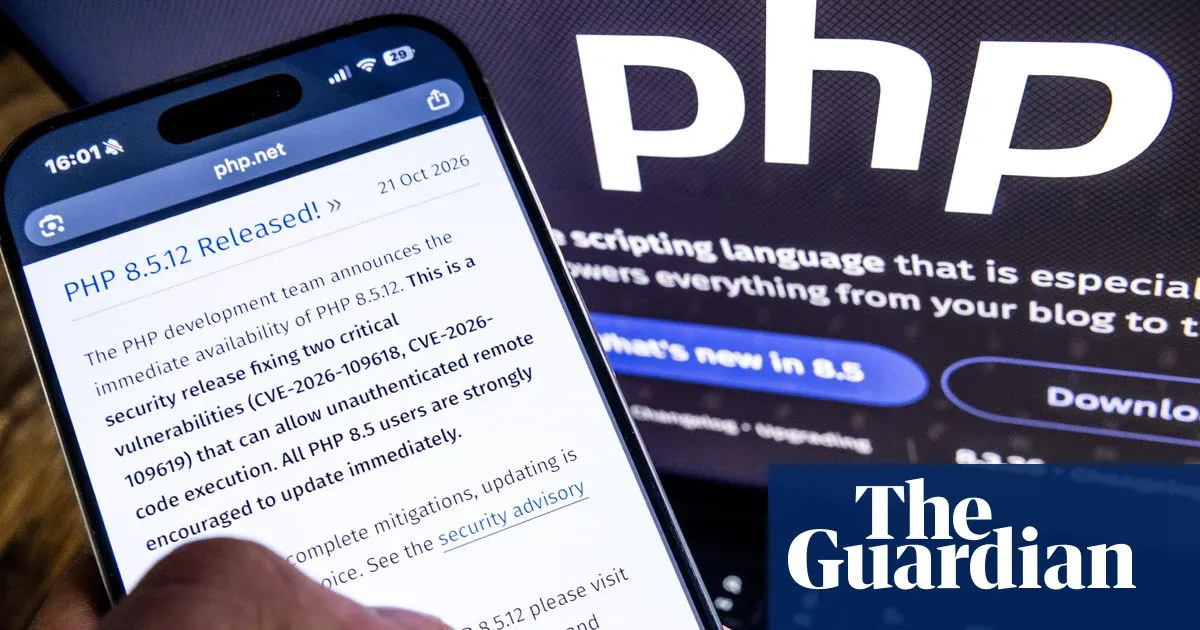
A flaw in PHP just forced governments to pull their own sites offline
European agencies from Belgium to Germany took websites dark to patch a critical weakness in the language behind almost 70% of the web, and the blast radius extends far beyond government portals.

BioWare shuts down, Mass Effect 5 dead after $55B EA buyout
The legendary RPG studio's closure lands months after a $55 billion investment group buyout of EA, raising tough questions for gaming's biggest acquirers.

Musk barred from the room as Tesla, SpaceX boards weigh $3.5 trillion merger
The CEO of both companies is a 'conflicted party' watching independent directors negotiate a tie-up that would create a $3.5 trillion giant he would own about a third of.