
Amish Shah beats DCCC-backed Marlene Galán-Woods in Arizona House District 1 primary
A battleground Democratic pickup becomes a warning shot for party strategists heading into the fall.

Former state Rep. Amish Shah won the crowded Democratic primary for Arizona's 1st District on Wednesday, defeating DCCC-backed former broadcast journalist Marlene Galán-Woods. The result forces Democrats to retool their general-election math as Shah now faces Jay Feely.
Former state Rep. Amish Shah won the crowded Democratic primary for Arizona's 1st District on Wednesday, defeating the DCCC-backed former broadcast journalist Marlene Galán-Woods. It is a clean on-the-record upset in one of Democrats' top pickup opportunities this cycle, in a district President Donald Trump carried by just three points in 2024.
In other words: this was supposed to be a party-confirmation moment for the establishment. Instead, voters rejected Galán-Woods, a sign of how quickly Washington's preferred candidates can lose on the ground when frustration with party leadership spills into primaries. Shah's win is not a one-off either. This is the second consecutive time he has won the district's Democratic primary, having also won it in 2024 before losing to Rep. David Schweikert (R-Ariz.) by four points in the general election.
To understand why this matters beyond Arizona, you have to look at how this district behaves electorally. The 1st District surrounds Phoenix in central Arizona and includes wealthy Scottsdale and Paradise Valley, plus large swaths of land to the northeast of the city. That mix typically rewards candidates who can bridge different local priorities, rather than ones that feel like they were engineered for national party optics. The fact that Trump carried the seat by only three points in 2024 tells Democrats the numbers are within reach. The fact that Shah lost by four points the year before tells you the district is competitive in both directions.
This primary was also a live test of internal Democratic power dynamics. The fight centered on whether the Democratic Congressional Campaign Committee's backing could translate into votes in a high-salience district. Politico describes the contest as an evolution into a test of party leaders after the DCCC supported Galán-Woods. The broader pattern is that party committees can pour resources into a candidate, but primary voters still decide whether they want the local face, the personal credibility, and the campaign energy that makes persuasion work.
Shah's path to Wednesday's win starts with what changed after the general election defeat. The seat became open when Schweikert, an eight-term Republican lawmaker, decided to take on another member of the Arizona House delegation, Rep. Andy Biggs (R-Ariz.), in the GOP primary for governor. That decision matters because open seats tend to concentrate attention and funding. When incumbents exit or pivot, both major parties treat the district like a probability problem. Democrats treat it like a pickup equation. Republicans treat it like a defensive equation, and both sides escalate.
Now Shah is the nominee, and he will take on Jay Feely in the general election. Feely is described in the source as the Trump-endorsed former NFL kicker who spent four seasons with the Arizona Cardinals. He beat former state Rep. Joseph Chaplik in the Republican primary on Tuesday. That matters because it sets up a general election matchup where the Democratic nominee is a former state lawmaker, and the Republican nominee is a high-recognition sports figure with Trump endorsement behind him.
Second-order implications show up fast for executives and board-level decision-makers too, because political primaries are a real-time stress test for messaging and coalition-building. When a nationally backed candidate like Galán-Woods falls short, it signals that centralized branding does not automatically convert into local persuasion. It also tells party organizations that “top pickup opportunity” status does not equal “automatic win.” Funding, endorsements, and committee alignment can help, but only if voters accept the candidate as locally credible.
And for Shah himself, the Wednesday result tightens the strategic stakes. He already knows the district and already knows how close the seat can be. He won the Democratic primary in consecutive cycles, and he knows the general election math from 2024, where he lost to Schweikert by four points. That gives him a roadmap for what can hold coalition support this time. For everyone watching, the message is simple: in battleground districts, party machinery can open doors, but voters still decide the lock. The general election now becomes the real test of whether Democrats can convert primary momentum into a seat that is both winnable and meaningful.
This story's Key Insights and Take-aways are locked.
Create a free account to unlock Executive Actions for one credit.
Register to UnlockAlways free for Executives Club members. Join the Club
More in Politics
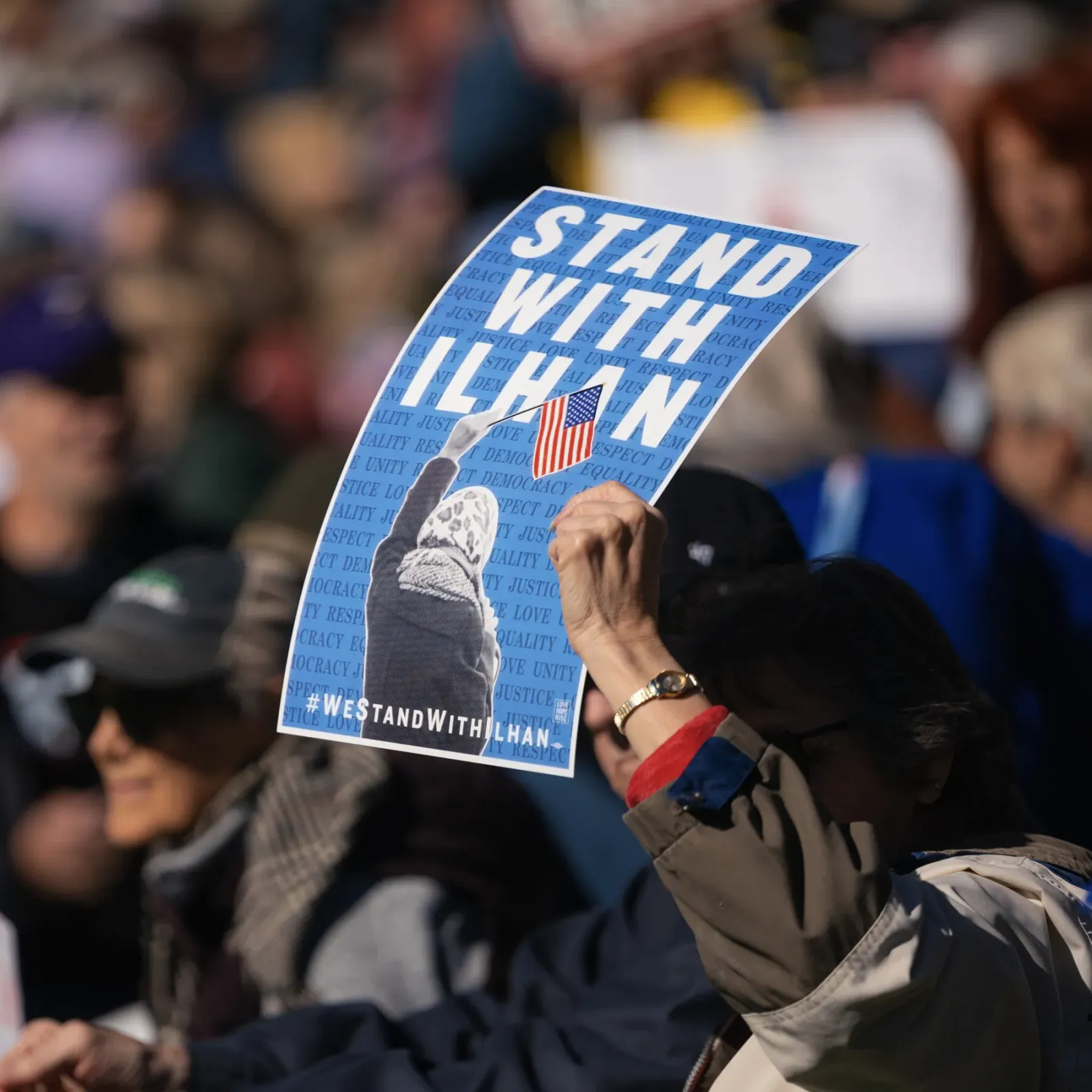
Obama Defends Ilhan Omar After Agents Search Her Home in Trump Inquiry
The former president's intervention raises the stakes in a federal probe into immigration paperwork that has put a prominent progressive lawmaker in the crosshairs.

Blair-era minister: cut welfare to fund youth job support
Alan Milburn's call for welfare cuts to fund employment support opens a Labour fight over benefits and the Neet crisis.
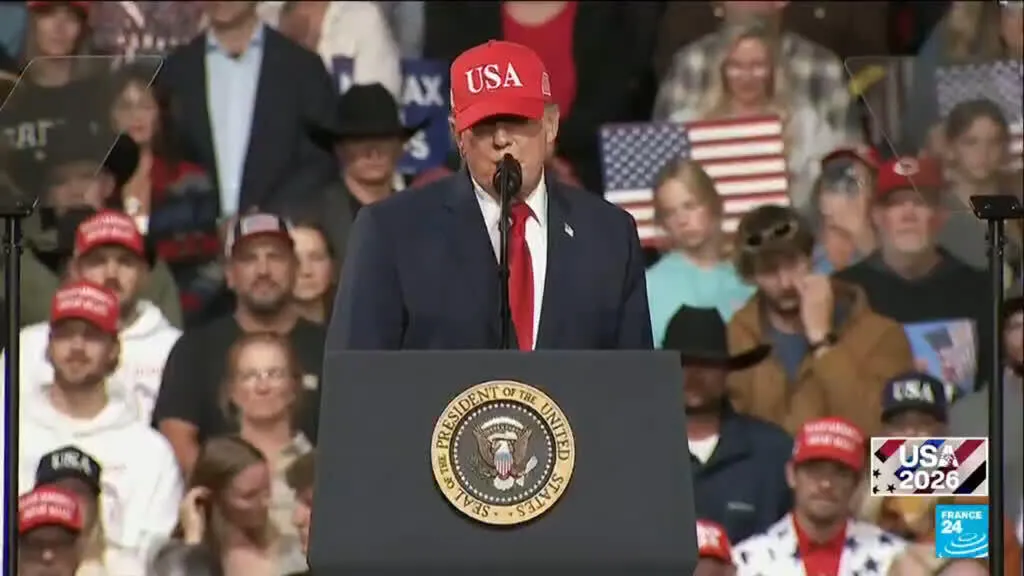
Hot September CPI: energy costs surge, voters feel the squeeze before midterms
The latest inflation print lands as Trump campaigns for GOP control of Congress, putting cost-of-living worries at the center of the midterm fight.