

Android 17 lands on Pixel phones today, powering Wear OS updates via Pixel Drop
Bubbles-based multitasking and Pixel-specific extras roll out now, with broader Android 17 versions coming later.
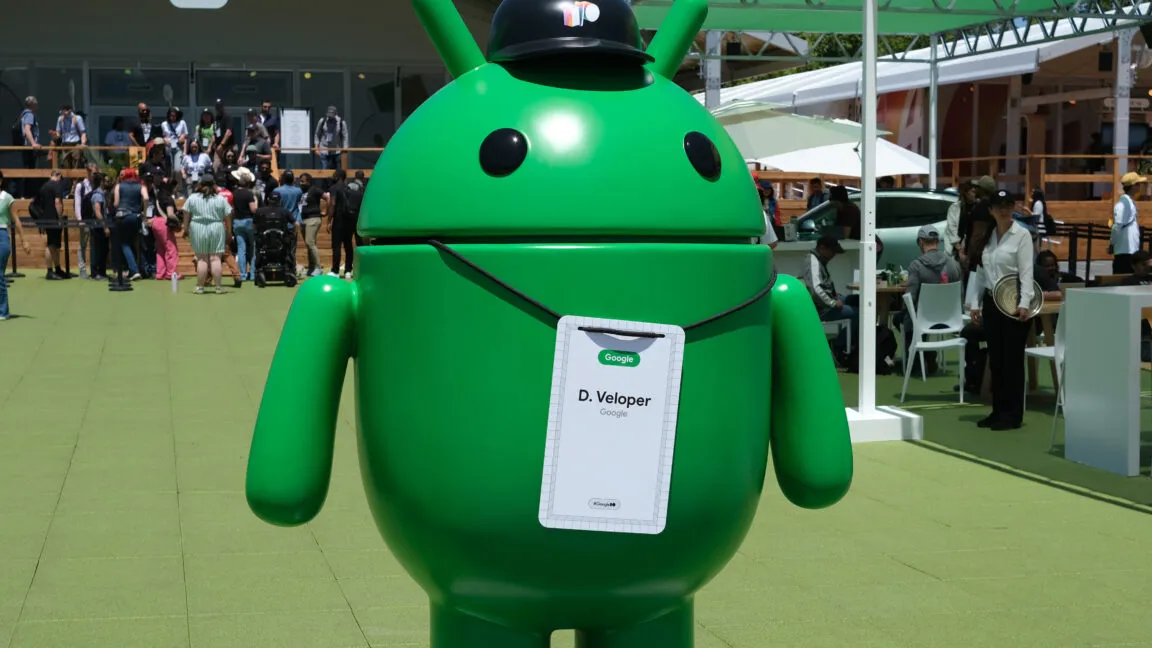
Google is beginning the Android 17 rollout on Pixel phones today, alongside a Pixel Drop and a new Wear OS version based on Android 17 for Pixel Watches. For decision-makers, the practical “what ships first” answer is clear: Pixels are the only path to see the full Android 17 experience.
Android 17 has officially started rolling out to Pixel phones today, and it is also showing up in a new version of Wear OS for Pixel Watches. Ars frames this as a real “big day” for a mature platform: Android 17 has been in testing since early this year, with the final beta hitting devices just a couple of weeks ago. So this is not a vague roadmap item. This is the moment the final, official build turns into something users can tap, swipe, and test.
What you get is a small set of new features on Pixels, plus the Pixel Drop timing that wraps the launch together with Wear OS. The key nuance is also immediate: Google no longer ships an unmodified Android experience on its own phones. The Pixel build includes features that are distinct from Android 17 itself, meaning Pixels are the only place to experience the “complete” Android 17 story right now. Other device makers will eventually update their phones with versions of some Pixel features, but that is later, after their own integration and rollout cycles. For operators and executives watching competitive cadence, this is the difference between “Android 17 exists” and “Android 17 is actually visible in day-to-day use.”
Let’s translate the feature that stands out, because it is both simple to understand and consequential in behavior. Ars points to the multitasking “Bubbles” system expanding on a messaging concept that already existed, but had been underutilized. On Android 17 in Pixels, you can long-press on any app icon to open that app as a floating window. If you minimize it, those bubbles stay on top of other apps. This is not just a UI tweak. It changes how users can juggle tasks without context switching. In a world where attention is the rarest resource, “staying on top” is a product promise, even if it sounds like a minor capability.
There is also an interaction model for foldables that matters for product planning. On foldable phones, the bubbles dock into a “bubble bar” for easier multitasking. That sentence is doing a lot of work behind the scenes: foldables typically require more careful layout and state management because screen real estate and input patterns change. A bubble bar is a way to keep multitasking stable across those shifts. For device OEMs and platform partners, it suggests where Android 17’s multitasking momentum is heading: toward persistent, lightweight overlays rather than forcing full app switching.
If you are thinking like a board member or a C-suite operator, this rollout timing is also about incentives. Google controls the most immediate, clean experience on Pixel hardware, and it gets to validate what features work best when the software and hardware are tightly aligned. Wear OS adds another surface area: Ars notes that the new Wear OS version is based on Android 17 and that it coincides with the Pixel Drop. That means the release is not just about phones. It is about ecosystem continuity, where the same platform direction can show up in both handheld and wearable interfaces.
Now consider regulatory and compliance realities in the background, even if the story is light on legal details. Major OS updates are the kind of thing that can trigger scrutiny around data handling, defaults, accessibility, and user control, especially across jurisdictions and device categories. Ars does not add new regulatory findings here, but the broader context still matters for executive planning: OS rollouts are the moments when companies must ensure their new features comply with evolving rules and with established internal policies. Even “small sets of new features” can carry operational weight because they touch permissions, notifications, and how apps behave when minimized or overlaid.
Second-order implications are where this gets interesting for peers in the same seats. If Pixel-only features are visible first, users form expectations of what multitasking should feel like. That can influence upgrade decisions and app developers’ design choices. It can also shape bargaining dynamics between platform teams and OEMs, since the fastest adopter gets to set the narrative. Meanwhile, competitors updating later will be under pressure to match at least part of the experience, because users tend to notice missing conveniences more than they notice behind-the-scenes stability.
The strategic stake is simple: Android 17 is not arriving into a vacuum. It is arriving into a market where the user experience is the product, and where “who ships first” becomes a temporary advantage. Pixels are the front door to Android 17 right now, including the floating bubbles behavior and the foldable bubble bar. If you lead product, partnerships, or platform execution at another device maker, the question is no longer whether Android 17 exists. It is how quickly you can translate Pixel-specific direction into your own update path without breaking compatibility, performance, or user expectations.
This story's Key Insights and Take-aways are locked.
Create a free account to unlock Executive Actions for one credit.
Register to UnlockAlways free for Executives Club members. Join the Club
More in Technology

Nvidia's $89B data center quarter: the 9 companies cashing in
The AI buildout is minting fortunes beyond GPUs, and memory, cloud, and cooling suppliers are riding the same wave.
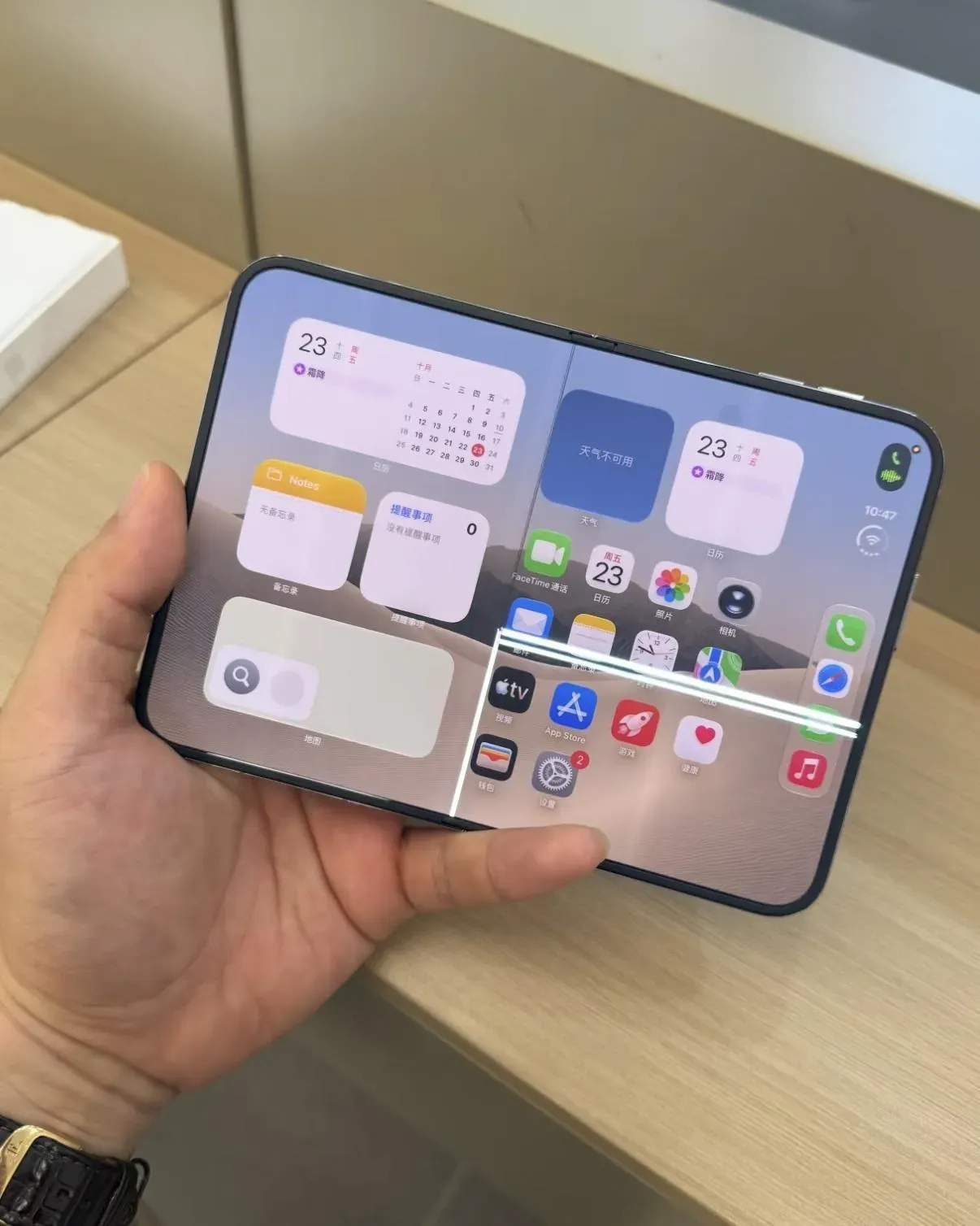
A YouTuber dissected the iPhone Duo and thinks he found crackgate's cause
CuriousHagi's teardown of Apple's foldable reveals a gear-like hinge that may explain why screens crack in the same spot within hours.

Google quietly links your phone number to every Android account on your SIM
Adding a SIM now ties your phone number to all Google accounts - and future accounts inherit it. Here's the security and privacy stakes.