

Andy Burnham faces a £460m tax rise proposal for “slot sheds,” backed by 43%
A thinktank says 43% of the public would support Labour raising taxes on adult gaming centres, targeting high-street operators.

Labour prime minister-in-waiting Andy Burnham could back a tax rise aimed at adult gaming centres, with an influential thinktank finding 43% public support. If pursued, the policy could trigger a £460m tax rise for all-night slot machine venues and casinos.
All-night slot machine shops and casinos could face a £460m tax rise if Andy Burnham acts on concerns about the gambling industry as prime minister. The key detail is not just the number, it is the claimed political feasibility: an influential thinktank found that 43% of the public would support a Labour move to raise taxes on adult gaming centres (AGCs).
That combination matters. A tax hike of that size is the kind of policy that can force operators to rethink store footprints, pricing, and partnerships. But policies fail in the real world when voters recoil, and here the thinktank is essentially arguing voters would not. In the gambling sector, adult gaming centres are sometimes referred to as “slot sheds,” a nickname that signals how the venues have become a visible feature of many UK high streets.
To understand why this is suddenly a board-level issue, you have to look at what AGCs represent operationally. Adult gaming centres are designed for repeat visits, with slot machines and other gambling formats that can run late into the night. The Guardian’s framing points to a recent expansion, saying AGCs have flooded UK high streets in recent years. It also flags a distribution problem, noting they have disproportionately targeted economically deprived areas. In policymaking terms, that is exactly the kind of narrative that turns “a niche industry” into “a public harm debate,” and that is how taxation becomes a regulatory tool, not just a revenue lever.
The thinktank angle is also important because it shifts the conversation from morality to mandates. Instead of lawmakers asking whether they are allowed to regulate gambling more tightly, the claim is that the public has already signaled willingness to back a tax change. The policy proposal would sit inside a familiar political pattern in the UK, where taxes on specific sectors are used when regulators and licensing regimes are seen as either too slow or too blunt. When a government can cite public support, it lowers the political cost of a confrontational industry stance.
If Burnham follows through, the £460m figure implies an expectation of meaningful impact across the adult gaming centre ecosystem. That includes businesses that operate venues directly and those that benefit indirectly from the flow of wagers, foot traffic, and promotional ecosystems. Even if the tax rise is formally targeted at AGCs, the knock-on effects often reach beyond the storefront, affecting distribution of capital, compliance spending, and the economics of opening and upgrading machines. Boards should think in terms of margin compression risk: when governments raise levies on consumer-facing activity, operators often feel it first through reduced or reshuffled revenue, then through changing consumer behavior.
There is also a strategic geography dimension. Because the source notes that these venues have disproportionately targeted economically deprived areas, the policy debate is not evenly distributed in public perception. That can affect how aggressively communities and local stakeholders push back or support enforcement, and it can also influence where operators choose to focus growth or consolidation. In practice, operators frequently treat “where stores are” as part of “how profits are made.” Tax changes that shift profitability will therefore likely trigger re-evaluation of locations and lease exposure, not just marketing spend.
For peers, the second-order lesson is about momentum and framing. A label like “slot sheds” is not a legal category, but it can become a political shorthand. When political teams adopt language that makes a venue type feel industrial and standardized, it can make future measures easier to justify, even if the first step is framed as taxation. If Burnham’s approach gains traction, boards in adjacent regulated entertainment and consumer gaming could anticipate that the conversation may widen beyond AGCs to other adult-facing offerings.
Bottom line: this story is not merely about gambling taxes. It is about how quickly politics can convert public sentiment into fiscal pressure, and how a number like £460m can become a stress test for an entire storefront model. Executives should treat it as a scenario exercise now, because if Labour chooses to turn a tax proposal into a platform, the credibility boost from the 43% support claim could accelerate the timeline.
This story's Key Insights and Take-aways are locked.
Create a free account to unlock Executive Actions for one credit.
Register to UnlockAlways free for Executives Club members. Join the Club
More in Politics
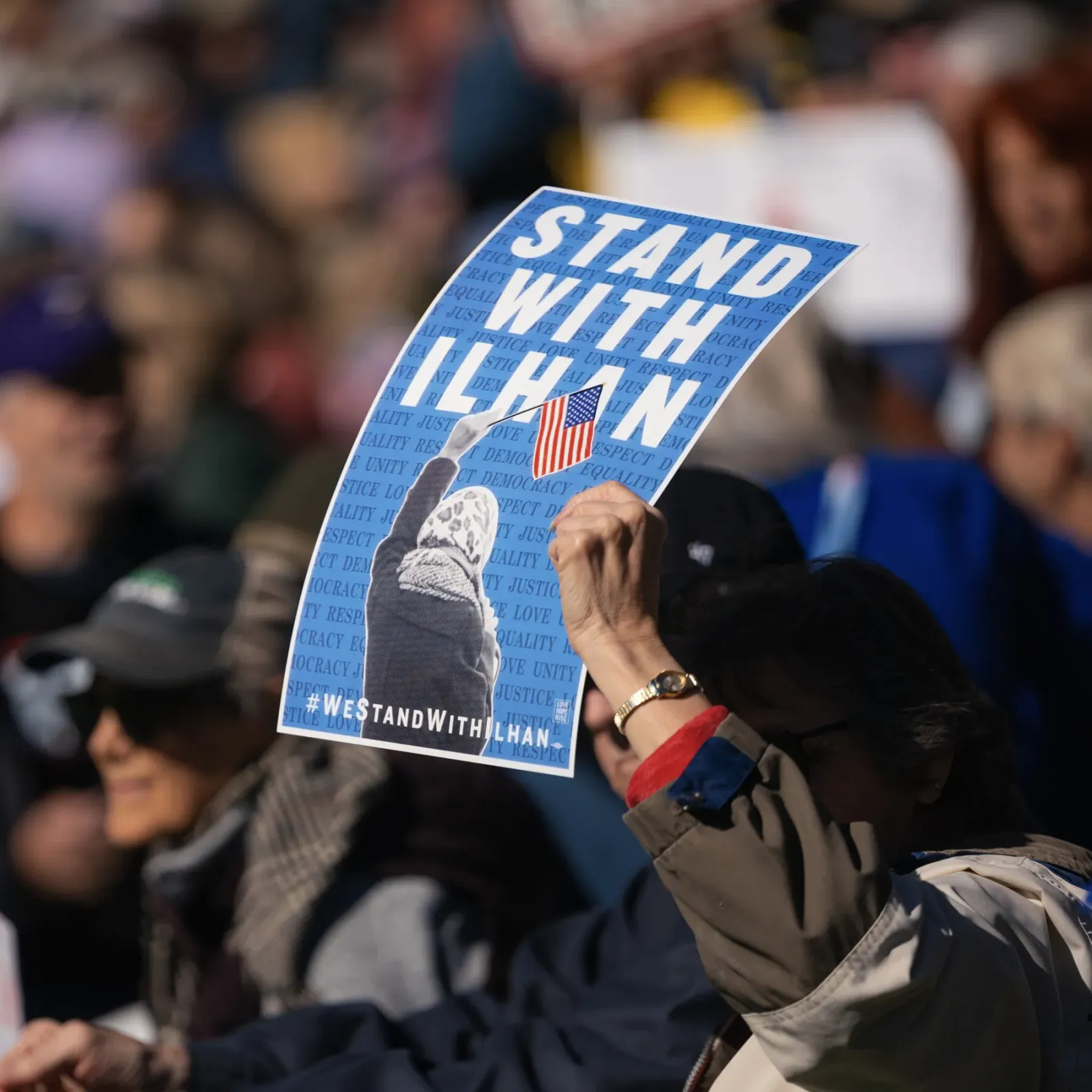
Obama Defends Ilhan Omar After Agents Search Her Home in Trump Inquiry
The former president's intervention raises the stakes in a federal probe into immigration paperwork that has put a prominent progressive lawmaker in the crosshairs.

Blair-era minister: cut welfare to fund youth job support
Alan Milburn's call for welfare cuts to fund employment support opens a Labour fight over benefits and the Neet crisis.
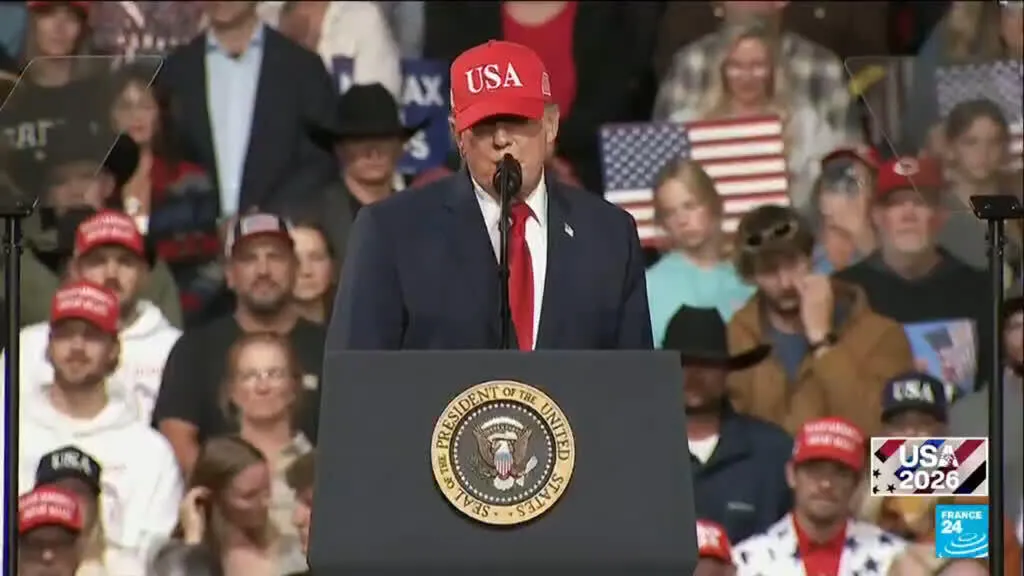
Hot September CPI: energy costs surge, voters feel the squeeze before midterms
The latest inflation print lands as Trump campaigns for GOP control of Congress, putting cost-of-living worries at the center of the midterm fight.