
Andy Burnham pledges to be “relentless” after Ceuta crisis, citing safe routes to stop trafficking
After tens of thousands entered Ceuta, Burnham says the UK must “bring back that control” and enable safe routes.

Andy Burnham, speaking during a visit to Dover, pledged to be “relentless” in tackling small boat crossings after tens of thousands entered Spanish territory at Ceuta. He also argued that “safe routes” for refugees are necessary to tackle trafficking gangs.
Andy Burnham says the UK needs to “bring back that control” after the Ceuta crisis, and he is pledging to be “relentless” on small boat crossings. The trigger, according to the report, is the sudden shock of “tens of thousands of migrants” entering Spain’s north African territory of Ceuta last week, an event that instantly rewires how governments think about borders, asylum, and organized trafficking.
Burnham’s immediate focus is not abstract border philosophy. During a visit to Dover, he said he had been assured by the Spanish prime minister, Pedro Sánchez, that approximately 98% of the estimated 50,000 people who entered Ceuta last week had now been returned to Morocco. That 98% figure matters because it frames the government’s claim that the immediate logistical crisis can be contained, while the political and policy question remains: what prevents the next surge, and how do you do it without feeding trafficking networks?
Burnham’s answer is two-part, and it is directly connected to the “safe routes” argument. He said “safe routes” for refugees were necessary to tackle trafficking gangs. The logic is straightforward even if it is politically thorny: when people have no legal, predictable pathways to seek protection, the journey becomes a commodity. Trafficking gangs profit from desperation, misinformation, and the chaos of mass movement. “Safe routes” is essentially the policy attempt to undercut that business model, not by pretending the crossing problem is going to disappear overnight, but by changing incentives for both migrants and the criminal networks that move them.
On the other side of that coin is Burnham’s demand for renewed control. In border policy, “control” usually translates into enforcement capacity, coordinated returns, and the ability to manage flows without letting the system get overwhelmed. The Ceuta episode is being treated as a live stress test. Tens of thousands entering Spanish territory at speed is not just a humanitarian event; it is an operational and diplomatic event. It forces Spain, the UK, and transit states to coordinate quickly, and it puts pressure on how swiftly someone can be processed, returned, and resettled or redirected.
The second-order implication for executives and decision-makers is that these moves are likely to spill into budgets, procurement, and planning even outside the obvious realm of immigration enforcement. When governments publicly link “safe routes” to counter-trafficking, it tends to require administrative and legal infrastructure: processing capacity, legal pathways, partnerships with agencies and NGOs, and systems that can route cases without bottlenecks. Meanwhile, “relentless” enforcement language often correlates with expanded operational spending, staffing, and tighter coordination across jurisdictions. Even though this is a politics story, it touches the same kind of machinery that governments use for crisis logistics and cross-border compliance.
There is also a reputational and governance component. Burnham is aligning his position with assurances attributed to Pedro Sánchez, placing political weight behind the claim that about 98% of the estimated 50,000 people who entered Ceuta last week had been returned to Morocco. For policy operators, that creates a measurable reference point. If the returns do not continue as expected, or if the next wave comes faster, governments can face scrutiny over both the operational competence and the stated strategy. In other words, the story is not only about what was done last week, but about whether leadership can prevent the next week from repeating the same pattern.
For boards and senior leaders watching from adjacent sectors, the broader message is that border and asylum policy is increasingly being framed as organized crime disruption plus operational control. That framing tends to harden scrutiny across systems: how organizations handle humanitarian referrals, how contractors and service providers document compliance, and how agencies manage case data. When governments push for “safe routes,” they usually require clearer legal criteria and more consistent case routing. When governments push for “control,” they typically intensify enforcement of rules and monitoring of routes. Both strands push operational systems to be more robust, more auditable, and harder to exploit.
Strategically, Burnham is signaling that the UK will not treat small boat crossings as a contained phenomenon. After the Ceuta crisis, the administration is positioning itself for a longer campaign: tighten enforcement, coordinate with partners, and simultaneously create alternatives aimed at draining trafficking gangs of their leverage. For decision-makers, the stake is simple. If the system only shuts the door, flows find new cracks. If the system only creates pathways without enforcement credibility, pressure builds again. Burnham’s “relentless” stance paired with “safe routes” is an attempt to do both at once, and the next test will be whether those two tracks reduce the number of desperate journeys before trafficking networks can adapt.
This story's Key Insights and Take-aways are locked.
Create a free account to unlock Executive Actions for one credit.
Register to UnlockAlways free for Executives Club members. Join the Club
More in Politics
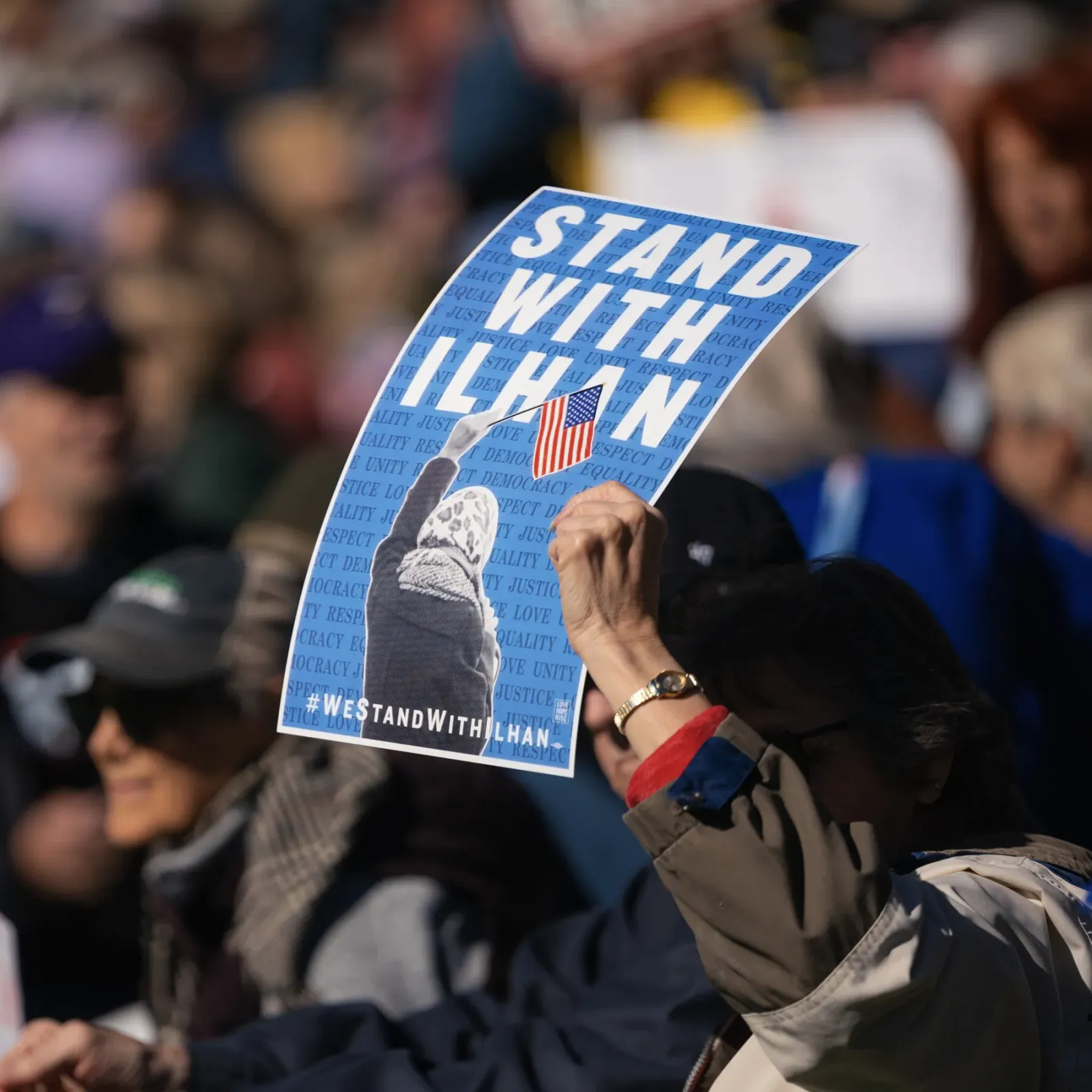
Obama Defends Ilhan Omar After Agents Search Her Home in Trump Inquiry
The former president's intervention raises the stakes in a federal probe into immigration paperwork that has put a prominent progressive lawmaker in the crosshairs.

Blair-era minister: cut welfare to fund youth job support
Alan Milburn's call for welfare cuts to fund employment support opens a Labour fight over benefits and the Neet crisis.

Hot September CPI: energy costs surge, voters feel the squeeze before midterms
The latest inflation print lands as Trump campaigns for GOP control of Congress, putting cost-of-living worries at the center of the midterm fight.