
Andy Burnham pledges to sack staff undermining female Labour ministers at Westminster
The Labour leadership hopeful promises enforcement, aiming to end “briefing” against women and challenge a damaging narrative.

Andy Burnham, a Labour leadership hopeful, told the women’s parliamentary Labour party in Westminster that he would end the culture of briefing against female ministers. For political decision-makers, it signals a tougher internal governance posture and a direct counter to scrutiny over women’s representation.
Andy Burnham, speaking at the meeting of the women’s parliamentary Labour party in Westminster, said he will end the culture of briefing against female ministers and promised he would sack any staff who undermine female members of his team.
That’s the key point, and it is unusually direct for politics: Burnham is not just offering a values statement. He is attaching an enforcement mechanism to the claim, telling Labour MPs that sabotage, or even undermining behavior, would have consequences.
The context matters because “briefing” in UK Westminster is not just office politics. It is the informal pipeline through which narratives get planted, reputations get tested, and rival figures get information leverage. When the target is female ministers, the second-order problem is that the institution’s message becomes self-contradictory. Publicly, you want to project competence and authority. Privately, if staff are undermining women, the career costs and political costs can compound, discouraging talent, shaping how colleagues work together, and raising the probability of ugly, credibility-damaging cycles.
Burnham’s remarks land at a moment when political organizations, like corporate ones, are judged by both outcomes and process. In corporate governance terms, the “process” is the enforcement of culture. Boards and senior leaders increasingly get measured on whether they can prevent quiet dysfunction from turning into public scandal. Burnham’s proposal, in effect, is a cultural compliance plan: identify undermining behavior and remove the people enabling it. In a world where information moves fast and reputations move faster, the ability to stop internal sabotage becomes a competitive advantage.
He also used the meeting to criticize descriptions of him as “the first female Labour PM” in the Spectator. That line is a narrative weapon, not an operational detail. It frames leadership identity around gender first, capability second, and it can be used to paint a candidate as a symbol rather than a strategist. Burnham’s rebuttal suggests he wants the debate to shift away from what the public thinks he represents and toward what he plans to do. For Labour MPs and party staff, that is not cosmetic. Messaging fights inside parties are how factions recruit support and how voters decide which candidate is most “serious.”
There is also a tactical implication for anyone advising candidates. When someone publicly promises sacking or disciplinary action, you immediately pressure-test two things: whether the leader has the will to follow through, and whether the organization has clean enough internal reporting to detect undermining behavior. In corporate life, this resembles how companies handle harassment or discrimination claims. People watch not only for the promise, but for the mechanism. Who investigates? What counts as “undermine”? Is there a fair process? Without those details, enforcement promises can turn into either skepticism or cynicism. With them, it becomes a credibility upgrade.
Another second-order implication is how this affects coalition-building inside the party. If MPs believe a leader will protect them from staff behavior that makes their jobs harder, they may be more willing to back reforms. If MPs believe nothing changes, they may hedge. For staff, it raises the internal risk profile. The cost of being casually negative or selectively briefing becomes higher. That can reduce information leakage or at least change incentives so staff focus on constructive work rather than strategic leaks.
Finally, this is a play for legitimacy in a broader political ecosystem where narratives are constantly being generated. In that ecosystem, parties compete not only on policy proposals but on perceived internal health. Burnham is aiming to frame Labour as a place where women are not undermined behind the scenes, and where leaders act. If he is the leadership choice that ends that “culture of briefing,” the benefit is not only fairness. It is also reduced factional churn, fewer credibility hits, and a stronger capacity to present unified leadership. For executives and board-level leaders watching from outside politics, the takeaway is simple: culture enforcement, information hygiene, and narrative control are not separate issues. They are one system.
This story's Key Insights and Take-aways are locked.
Create a free account to unlock Executive Actions for one credit.
Register to UnlockAlways free for Executives Club members. Join the Club
More in Politics
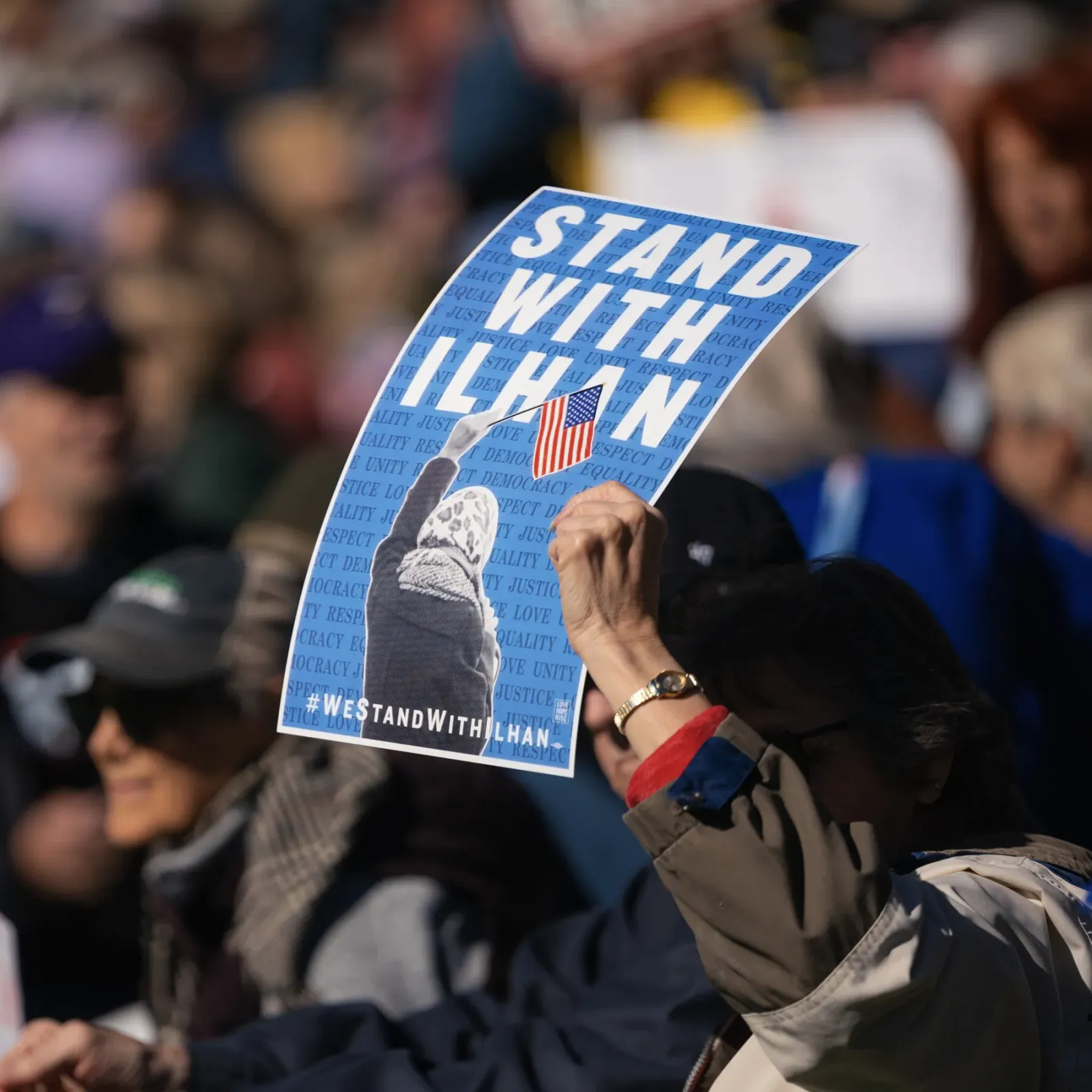
Obama Defends Ilhan Omar After Agents Search Her Home in Trump Inquiry
The former president's intervention raises the stakes in a federal probe into immigration paperwork that has put a prominent progressive lawmaker in the crosshairs.
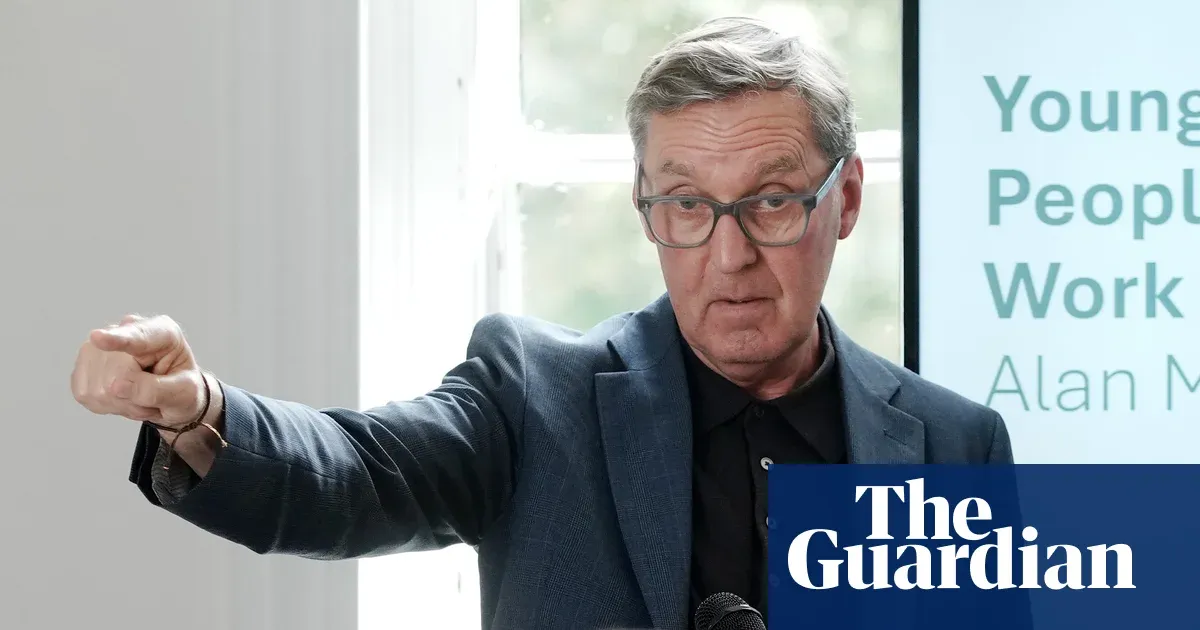
Blair-era minister: cut welfare to fund youth job support
Alan Milburn's call for welfare cuts to fund employment support opens a Labour fight over benefits and the Neet crisis.
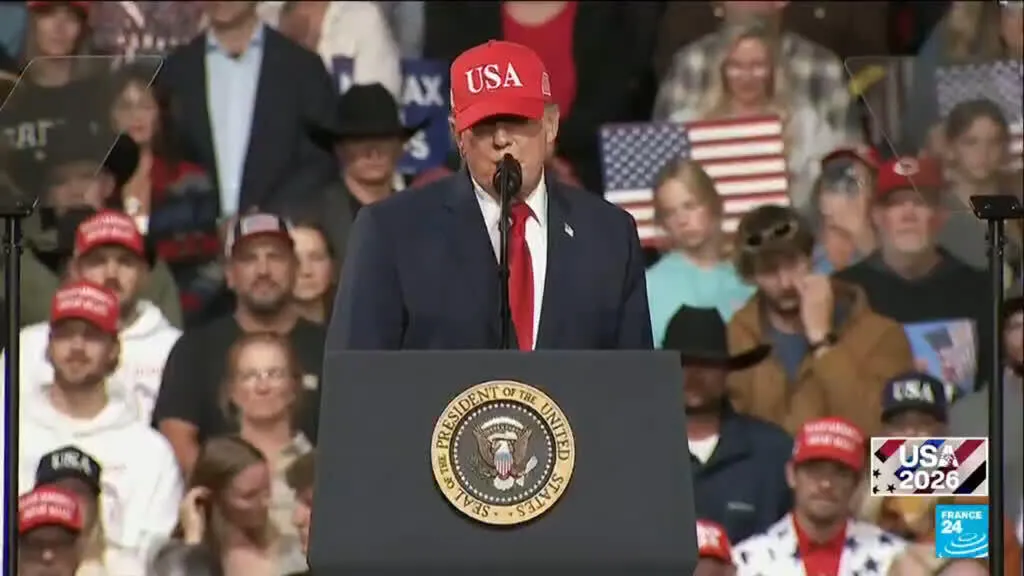
Hot September CPI: energy costs surge, voters feel the squeeze before midterms
The latest inflation print lands as Trump campaigns for GOP control of Congress, putting cost-of-living worries at the center of the midterm fight.