

Andy Burnham vows to be “relentless” as NCA officers near 800
The UK more than doubles NCA deployment to curb small-boat crossings, and leadership wants the border to look controlled again.
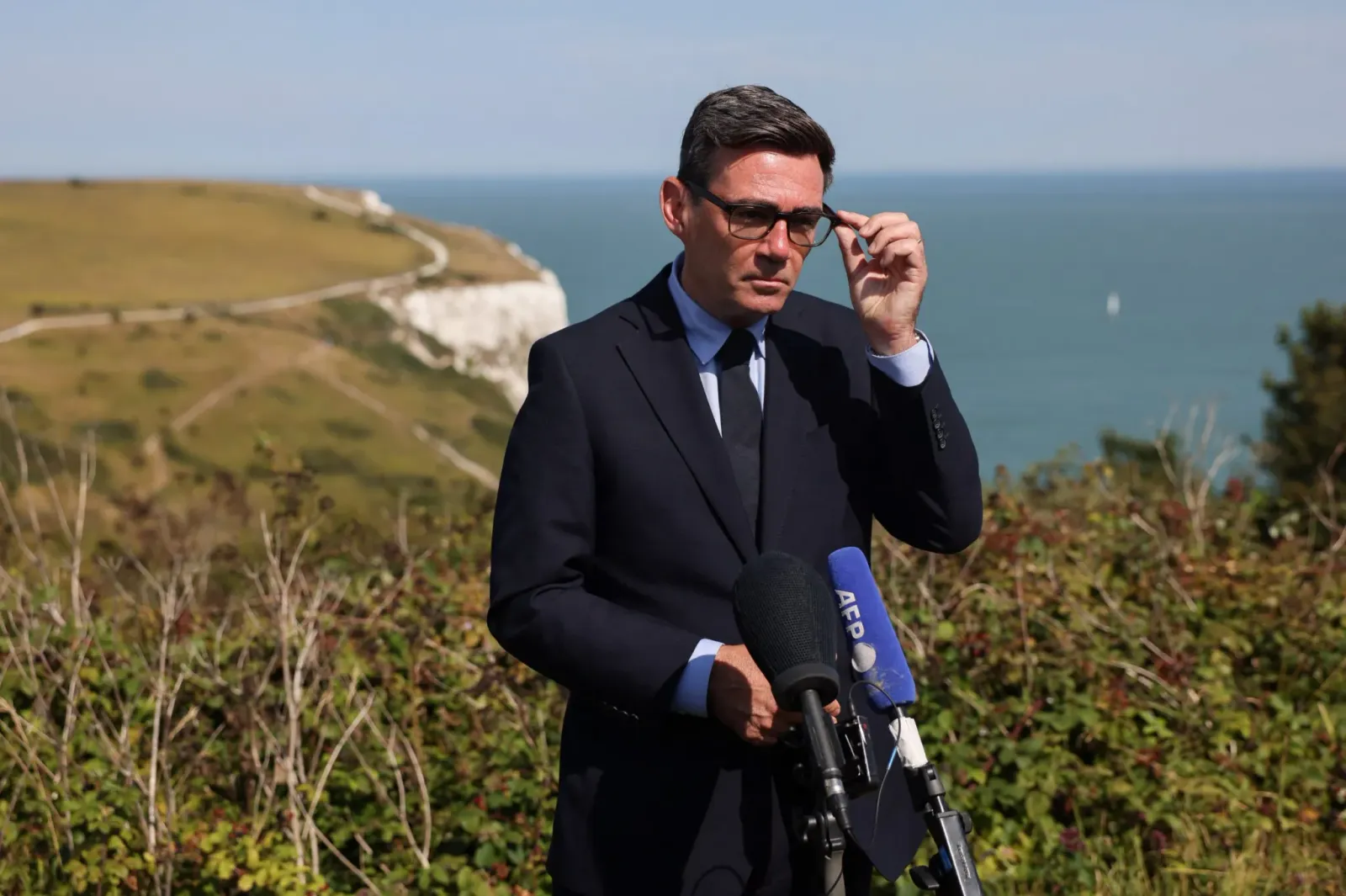
Prime Minister Andy Burnham says he will be “relentless” on small-boat crossings during a visit to the Port of Dover, as National Crime Agency officers increase to almost 800 from 376 at the start of 2025. His push, backed by Home Secretary Shabana Mahmood, comes alongside published figures on deportations, arrests, and seized boats, with political pressure rising across Europe.
Prime Minister Andy Burnham used his trip to the Port of Dover to draw a line in the sand. He promised to be “relentless” in addressing small-boat crossings, and he framed the goal in blunt optics as much as enforcement: “The public don’t like the idea that the border looks like it’s not controlled.”
That message lands because the government is backing it with numbers. Fortune reports that work to stop human smuggling has more than doubled the number of crime agency officers deployed over the past 18 months, with National Crime Agency officers on the case rising to almost 800 from 376 at the start of 2025. In plain terms, the state is spending more operational effort on the upstream problem that fuels illegal migration: the gangs and the logistics that move people across the English Channel.
Burnham’s “relentless” pledge is also a political response to an issue that has stopped being a niche debate and turned into a mainstream electoral lever. Illegal migration has been described as a political flashpoint in the UK and, per the source, has boosted support for Nigel Farage’s far-right Reform UK party. Burnham referenced what he hears on the ground, saying, “People want to see this issue addressed. I heard that on the doorsteps in Makerfield.” That matters for decision-makers because border enforcement is rarely just about enforcement. It is also about signaling control to voters and denying opponents narrative fuel.
There is a second layer to Burnham’s framing: he links enforcement to offering support and safe routes. He said the government needs “to bring back that control,” but also “to offer support for people who genuinely need it.” The operational logic behind that line is spelled out in the source. Burnham argued that building a system that offers safe routes takes away “the selling point of the gangs.” In other words, enforcement and migration policy are being positioned as a single strategy: disrupt criminal revenue and reduce demand for the smugglers' service.
Even with some reduction, the scale remains large enough to keep pressure on the government. The source says small-boat migrant numbers this year are significantly lower than in 2025, but about 2,000 people have crossed the English Channel since Burnham became prime minister on July 20. For the year to date, the provisional estimate is 14,526 crossings, 43% lower than last year and 14% below the equivalent period in 2024. So this is not a situation where the issue has disappeared. It is more like a partial improvement that still leaves enough movement at sea to keep the issue permanently in frame.
Burnham’s Dover stop also highlights how UK enforcement is organized and who is involved. He was visiting Dover’s Joint Command Room on Sunday to see work the National Crime Agency and the Border Security Command are doing to protect UK shores. Home Secretary Shabana Mahmood spent the day touring NCA offices in Stratford, London, telling reporters she was “doing whatever it takes to secure the border.” She added that government efforts are beginning to “bear fruit,” saying there have been more than 70,000 deportations since Labour took power in 2024, an increase of 41%. She also said she shares public concern “every time they see images of people crossing the Channel,” which underscores that media visibility is part of the enforcement political economy.
If you are looking for the operational proof points that politicians can point to, the source provides them. The NCA was involved in almost 300 arrests last year. Officers helped seize more than 1,109 small boats and engines bound for people smugglers since the 2024 election. The Home Office said those could have facilitated 72,000 migrant crossings. That is the kind of number that turns an abstract policy into something boards and government stakeholders can “audit” through outputs: arrests, seizures, deportations, and the estimated thwarted crossings that could translate into reduced pressure at ports, shelters, and border systems.
Finally, Burnham and Mahmood were speaking shortly after illegal migration flared up in Europe following the crisis in Ceuta, a Spanish enclave in North Africa. The source reports that as many as 60,000 Moroccan migrants crossed into Ceuta last week, prompting multiple EU nations to threaten border checks and even to suspend Spain from the EU’s Schengen agreement that allows travel without border checks between member countries. For leaders outside the UK, this is an important reminder: border control is not only a domestic issue. It can cascade into EU governance fights, disrupt cross-border mobility, and shift how governments allocate resources toward enforcement and processing systems.
Put it all together and the stake is clear. Burnham is not just promising tougher action. He is trying to re-create public confidence that the border looks controlled, while also pushing a strategy that aims to remove the gangs’ incentive through both disruption and safe-route construction. For any executive or board tracking regulatory intensity, political risk, or public-sector capacity, this is a playbook worth watching: more funding and staffing for enforcement, measurable operational outputs, and a political message calibrated to images voters see in real time.
This story's Key Insights and Take-aways are locked.
Create a free account to unlock Executive Actions for one credit.
Register to UnlockAlways free for Executives Club members. Join the Club
More in Politics
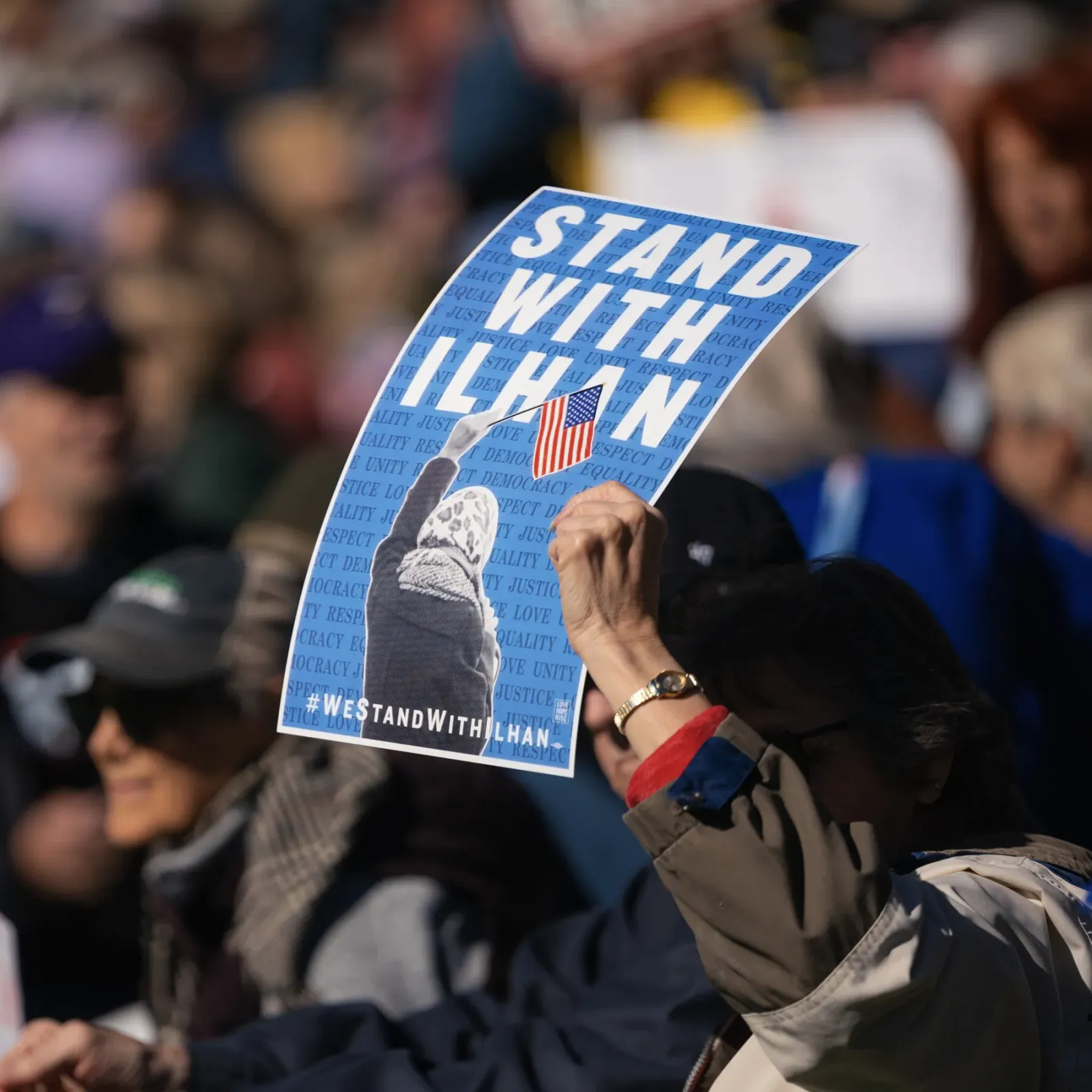
Obama Defends Ilhan Omar After Agents Search Her Home in Trump Inquiry
The former president's intervention raises the stakes in a federal probe into immigration paperwork that has put a prominent progressive lawmaker in the crosshairs.

Blair-era minister: cut welfare to fund youth job support
Alan Milburn's call for welfare cuts to fund employment support opens a Labour fight over benefits and the Neet crisis.
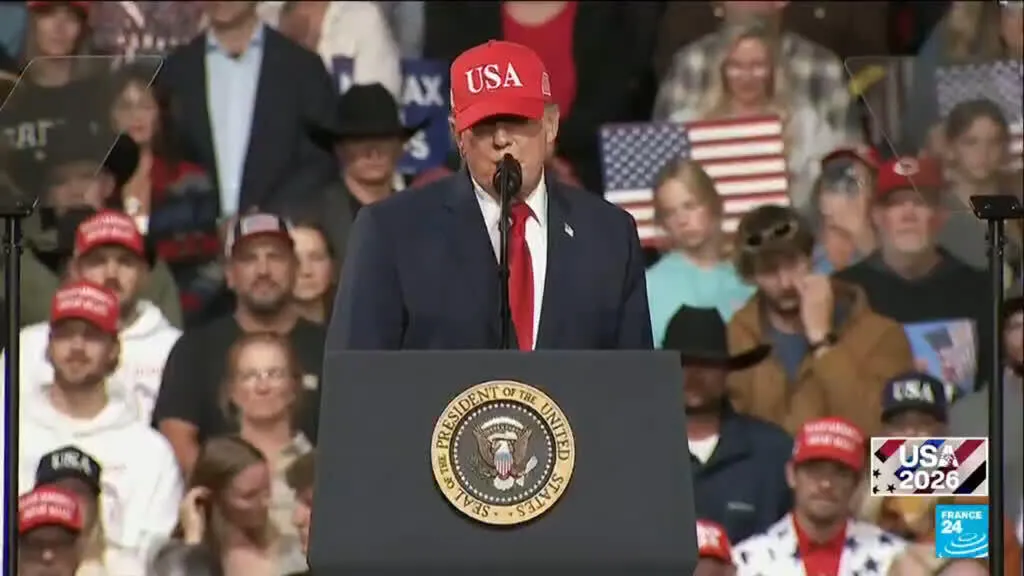
Hot September CPI: energy costs surge, voters feel the squeeze before midterms
The latest inflation print lands as Trump campaigns for GOP control of Congress, putting cost-of-living worries at the center of the midterm fight.