

Anthropic quietly delays IPO as OpenAI warns of massive cash burn
Two AI giants hit the brakes on public-market hopes, signaling a longer, costlier private runway for the sector.
Anthropic has reportedly delayed its IPO plans while OpenAI expects significant cash burn ahead, according to Yahoo Finance. The dual pullback signals that even the most valuable AI startups are not ready for public-market scrutiny, forcing investors and boards to reset expectations for liquidity and capital needs.
Anthropic has reportedly pushed back its initial public offering, while OpenAI is bracing for massive cash burn, according to Yahoo Finance. The two developments, reported in the same cycle, mark a striking reversal for the two most closely watched private companies in artificial intelligence. Just months ago, both were widely expected to be the next blockbuster tech listings, with bankers and early investors circling. Now, the message from the sector's two bellwethers is effectively the same: the path to the public markets is longer, and the cost of staying private is far higher, than the market had assumed.
For Anthropic, the delay is a direct acknowledgment that the company is not ready to face the scrutiny of a public listing. The company has been a fundraising machine, pulling in billions from backers including Amazon and Google, but an IPO requires something different: predictable financials, a credible path to profitability, and the ability to withstand quarterly earnings calls. OpenAI's warning on cash burn reinforces why that discipline matters. The company expects to spend heavily as it scales compute, talent, and infrastructure, and it is telling investors that the losses are not a bug but a feature of the current phase. For anyone tracking the AI trade, the two stories are two sides of the same coin: the leaders of the AI boom are not yet built for the public markets, and they are signaling that the private markets will have to keep funding them for longer.
The strategic logic behind both moves is clearer when you look at the capital position of each company. Anthropic has raised enormous sums at valuations that already price in years of growth, and a botched IPO would be catastrophic for its investor base. OpenAI, meanwhile, has been clear that its compute needs are effectively insatiable, and that the cost of staying at the frontier of model development is rising, not falling. For both companies, the rational play is to stay private, keep raising from deep-pocketed strategic investors, and delay the moment when quarterly numbers become public. That is a rational choice for the companies, but it has real consequences for the rest of the market. Every month that Anthropic and OpenAI stay private is a month in which the public markets have no direct way to price the AI boom, and no clean vehicle for investors who want exposure to the purest AI names.
The delay also reshapes the competitive landscape. If the two leaders are not going public, then the next tier of AI companies - the model builders, the infrastructure providers, the application layers - will find it harder to go public themselves. Public investors who want AI exposure will have to settle for indirect plays: Nvidia, Microsoft, Amazon, and the other hyperscalers that are funding the AI buildout. That dynamic is already visible in the market, where the so-called AI trade has been concentrated in a handful of mega-cap tech stocks. The IPO window for AI was already narrow; these two stories just nailed it shut a little tighter.
There is also a regulatory dimension worth noting. The SEC has been scrutinizing AI-related disclosures, and the broader political environment around AI has become more complicated, with governments on both sides of the Atlantic pushing for more oversight. A company that goes public in this environment is signing up for a level of regulatory and political exposure that is hard to manage even for a mature business. For a company like Anthropic, which has positioned itself as the safety-first alternative to OpenAI, the risk of public-market scrutiny is not just financial but existential. Every claim about safety and responsible AI would be tested in the harsh light of an earnings call.
The practical implication for executives and boards is straightforward: the private markets are now the only game in town for AI scale-ups, and that changes the balance of power in fundraising negotiations. Strategic investors like Amazon and Google are not just writing checks; they are effectively buying options on the future of AI, and they have the leverage to demand favorable terms, exclusive partnerships, and board seats. For founders, the delay means accepting a longer period of dilution and a longer period of answering to private investors who may have very different time horizons than a public shareholder would.
For the broader market, the takeaway is that the AI story is not going to be told through IPOs anytime soon. The companies that are building the most important technology of the decade are choosing to remain private, and they are telling us why: the costs are too high, the scrutiny is too intense, and the strategic flexibility of the private markets is too valuable. That is a sobering message for anyone who hoped that the AI boom would translate into a wave of public listings. It is also a reminder that the real action in AI is happening in private boardrooms, not on public exchanges.
The bottom line is that the AI IPO window has effectively closed for now, and the capital markets are being forced to adapt. For investors, that means finding new ways to get exposure to AI, whether through the mega-cap tech companies that are funding the buildout or through private market vehicles. For founders, it means planning for a longer private runway and building a capital structure that can survive years of cash burn. And for boards, it means asking the hard question that Anthropic and OpenAI have just answered: are we ready for the public markets, and if not, what is our plan for the years of private growth ahead?
This story's Key Insights and Take-aways are locked.
Create a free account to unlock Executive Actions for one credit.
Register to UnlockAlways free for Executives Club members. Join the Club
More in Business
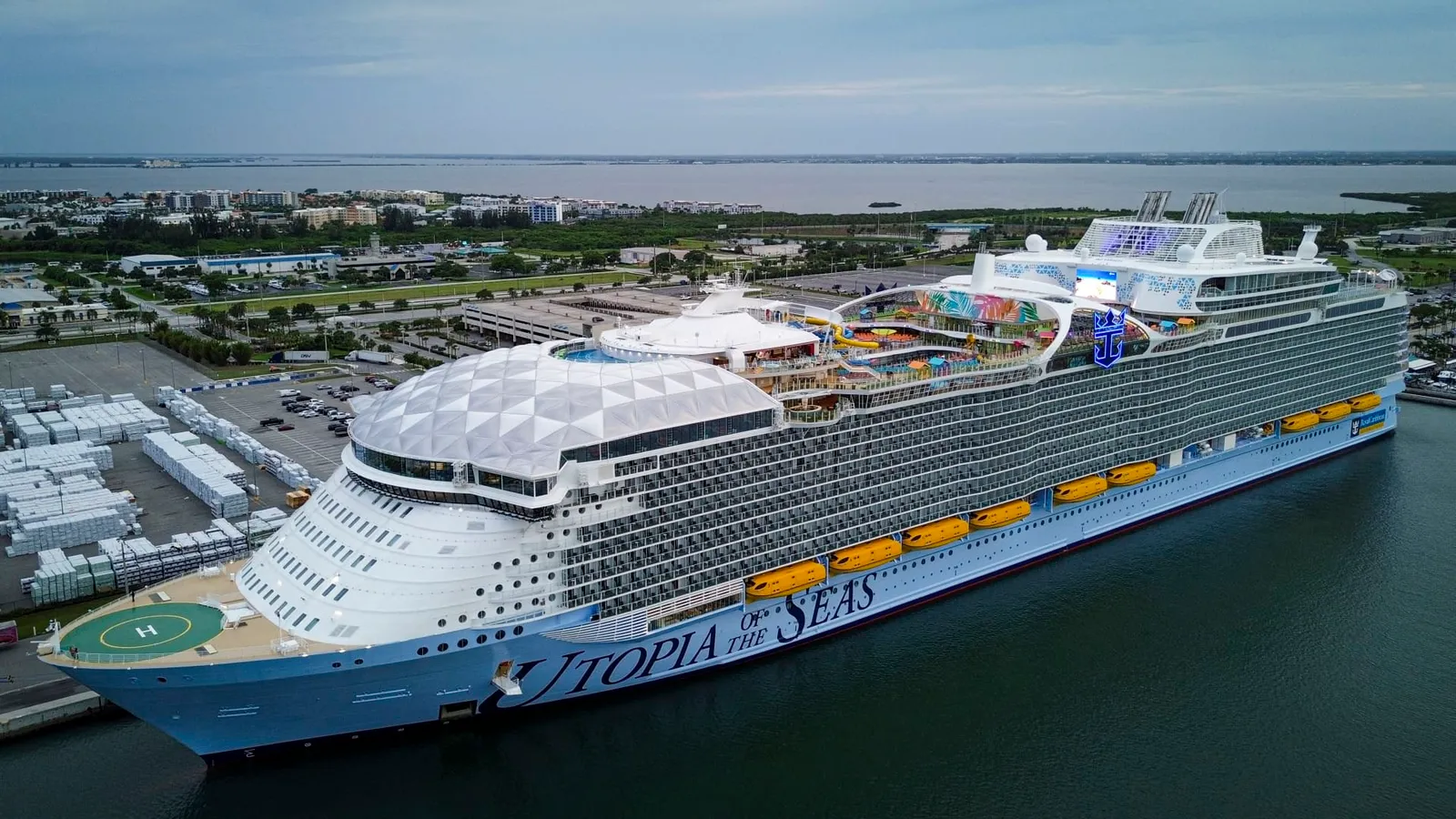
Royal Caribbean just spent $3B to own half of Sandals
The cruise giant is buying a 50% stake in the all-inclusive resort chain for $3 billion, a bet that land-based vacations are the next growth engine.

Paramount's Ellison: Merger Clearance Done, WBD Deal by Oct 1
David Ellison says the Paramount-WBD merger has full clearance after settling with state AGs, clearing the path for an October 1 close.
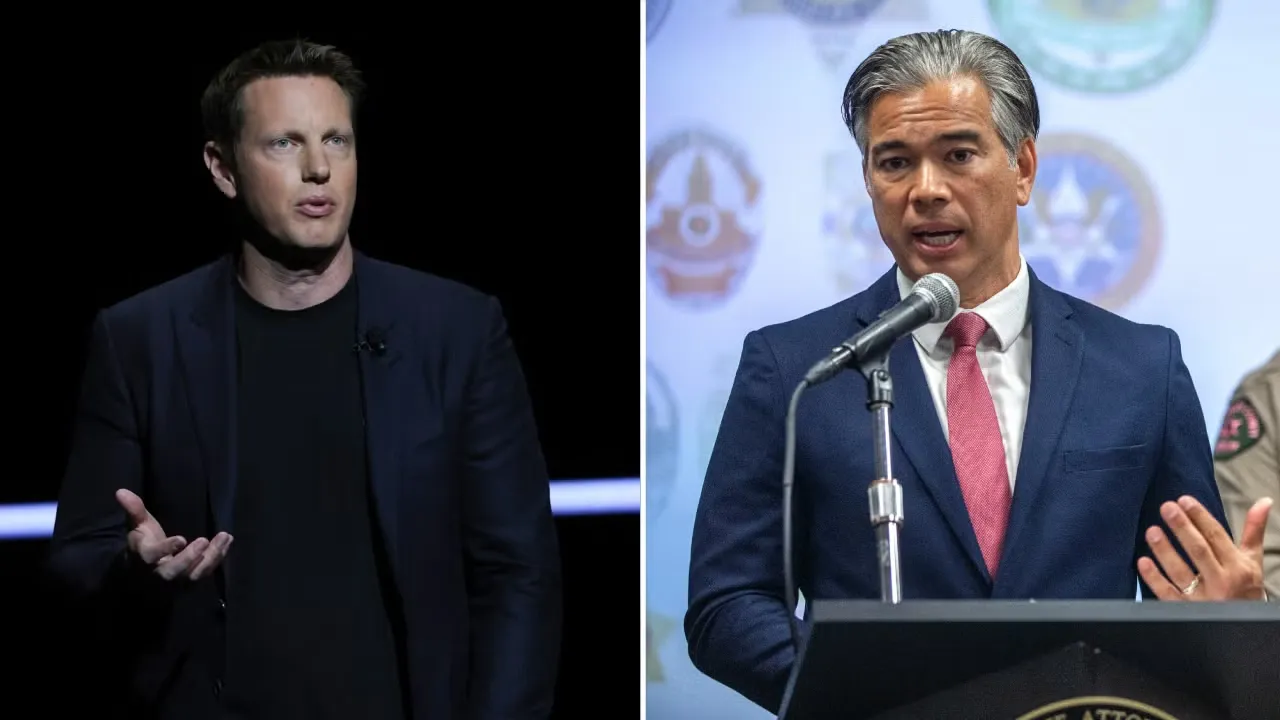
Paramount settles with 12 states, $110B Warner merger clears final hurdle
David Ellison's studio avoids a March trial and a $7M-a-day ticking fee by settling with state AGs over local job losses.