
Anthropic's record IPO needs $3.5T in revenue, one investor warns. Five pros split.
Orders open Wednesday for the biggest IPO by money raised ever, and the five strategists Business Insider asked are split on whether Anthropic is a generational buy or a bubble at a reported $1.5 trillion-plus.
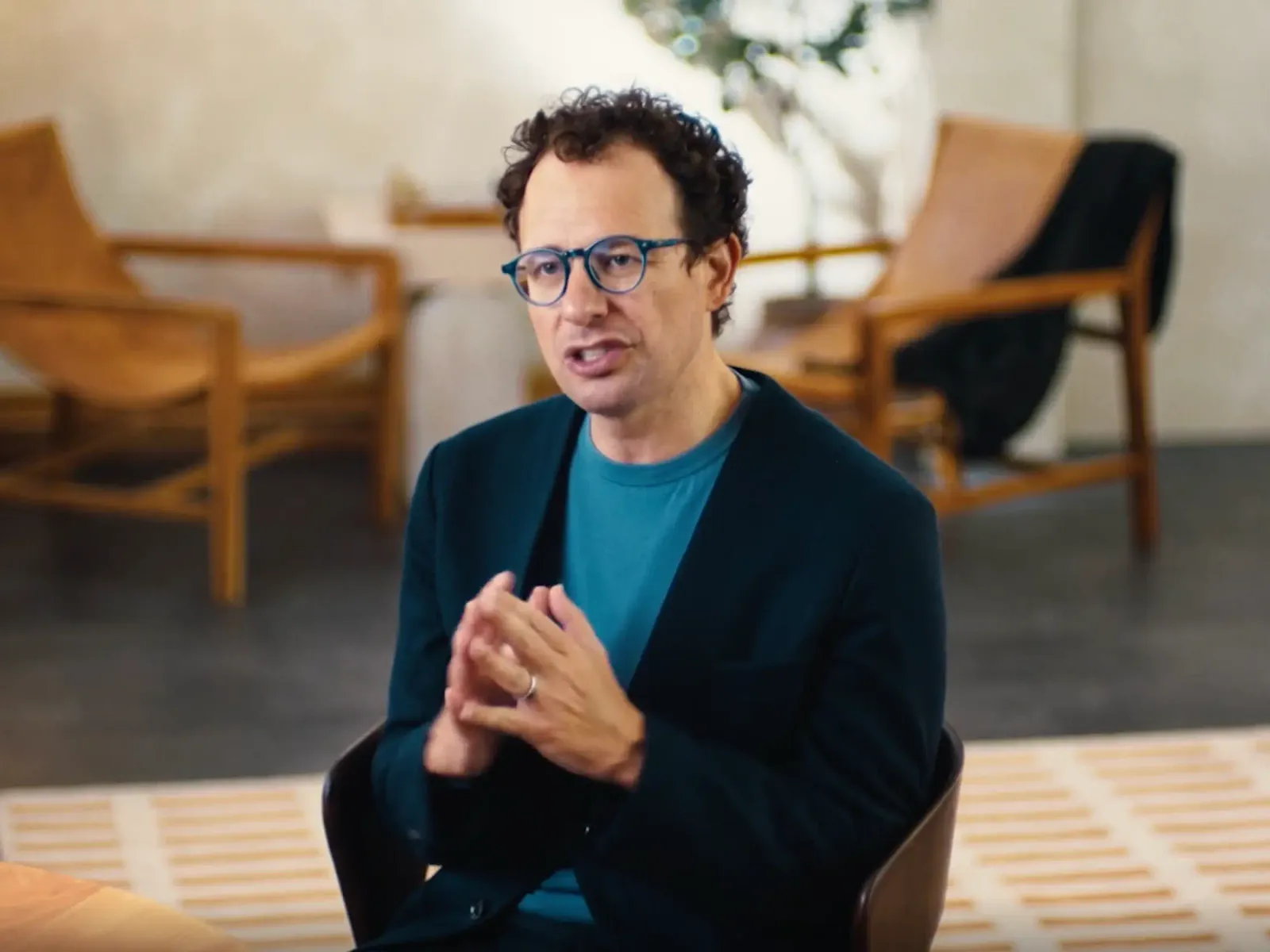
Anthropic CEO Dario Amodei's company opens IPO orders Wednesday in what is poised to be the largest public offering by money raised ever, with five investment strategists split 2-2-1 on whether to buy. Their disagreement over compute costs, customer concentration, and a $3.5 trillion revenue math problem gives every board a live template for pricing AI exposure.
Anthropic's initial public offering opens for orders Wednesday, and by the end of trading Thursday anyone can own a piece of the company that has warned its own models could pose an existential risk to humanity. The deal is poised to be the largest IPO by money raised ever. It also arrives with a number attached that should stop every allocator cold: Dhruv Maniktala, chief investment officer at True North Advisors and Western Alternative Strategies, estimates Anthropic will need $3.5 trillion in annual revenue to fund its projected data center buildout. That is the equivalent, he calculated, of spending $1,750 a month on AI for every employee in the US, hairdressers and fast-food workers included.
Business Insider asked five investment strategists and investors whether they would buy. They split 2-2-1. Phil Blancato of Osaic and Stephanie Link of Hightower Advisors say yes. Christian Giadolor of Chicory Wealth and Kristin Hull of Nia Impact Capital say no. Maniktala sits in the middle, and his reasoning is the most useful of the five: he already owns Anthropic shares bought at "much cheaper" valuations in the private market, and at today's price he will not issue a blanket buy. The backdrop is not calm. A data-center pushback helped fuel the Democrats' blue wave, the Jensen Huang-Nvidia scandal is raising national security concerns, and the market's AI sell-off continues.
Blancato, chief market strategist at Osaic, a wealth management network overseeing $810 billion in client assets, calls the IPO a must-buy event "if you believe AI will transform how we work and live." His scale argument: the entire earnings of work by knowledge workers globally exceeded $40 trillion in 2025, and Anthropic has cited IDC's estimate that AI will have a $22.5 trillion economic impact by 2031. Those figures do not translate directly into revenue, he concedes, but "even if Anthropic captures only a small fraction of that value, there's still room for the business to grow well beyond where it is today." Link, who leads investment strategy for the $350 billion firm Hightower, likes the entry point: $1.13 trillion to $1.3 trillion is far more palatable than the $2 trillion floated earlier this year, though reports Tuesday evening suggested pricing closer to $1.5 trillion or $1.6 trillion. She also likes that the IPO is six times oversubscribed, that revenue grew 1,206% year over year, and that third-quarter revenue rose 47% sequentially. Her one flag: the top five customers account for 21% of revenue, which she expects to decline as Anthropic signs up more customers.
Giadolor, an investment analyst at Chicory Wealth who previously worked in macro and sustainable investing at Bridgewater Associates, starts where Anthropic's S-1 starts: the company may not be able to secure sufficient computing power. The IPO and its $131 billion in cash could help it skip the queue, he allows. But with compute costs "skyrocketing," he questions whether the economics are "sustainable," especially as Americans increasingly push back against data centers. Nearly 50% of Anthropic's revenue in the first half of the year came from cloud service providers, exposing it to any slowdown in data-center construction or hyperscaler demand. Building its own infrastructure, which the company has signaled it might do, would load it with asset-heavy physical risk. Then there is the regulatory tail: Anthropic has warned its models could pose an existential risk to humanity, and there is very little insurance available for AI models that do something wrong. "If Rogue AI and this 'existential' threat emerges, it could place Anthropic in unprecedented legal jeopardy," Giadolor said.
Hull, founder and chief investment officer at Nia Impact Capital, is "sitting on the sidelines." Her financial list: the debt load, complicated relationships with partners who are also competitors, long-term lease commitments, an untested business model, and uncertainty about future AI margins as usage increases. "On the business model alone, and given the growing range of competitors, I would wait to see a clearer path toward both independence and profitability," she said. She also prices in externalities she argues the market is ignoring: future intellectual property litigation risk, mass surveillance and privacy concerns of the kind now aimed at Flock cameras, and environmental costs. Earlier this month, more than 50 localities voted to limit or ban data center construction through ballot measures, according to Ballotpedia.
Maniktala's middle path is the one most boards should study. His multi-family office, which manages $5.9 billion, bought Anthropic shares privately at lower valuations. He calls the company a great firm rolling out solutions for different verticals of the economy, but says there is an "unreasonable amount of growth built in" at current prices. Whether the valuation lands at $500 billion or $2 trillion matters less to him than the fact that it is "impossible to predict" what happens next given the scale of possibilities. His practical advice: if you have money sitting around for a small allocation, buying a piece of the "big unknown" can make sense.
The stakes extend well beyond one ticker. Anthropic's workforce grew more than fivefold from the end of 2024 through September, a hiring curve that assumes the demand actually materializes. Blancato's own risk note is the cleanest statement of the mismatch: computing and infrastructure costs in the most recent quarter rose higher than revenue, and Anthropic must commit to data centers years in advance while customers can cut back their usage much sooner. That is the structural bet inside every AI balance sheet right now, and low-cost alternatives could limit future earnings further.
For founders, CFOs, and boards, the Anthropic IPO is a live stress test of the AI capital cycle. Watch three things after the first trade: whether the reported pricing holds near $1.5 trillion or slips toward Link's preferred $1.13 trillion to $1.3 trillion range, whether customer concentration below 21% keeps falling, and whether the data-center backlash that produced more than 50 local ballot measures starts showing up in lease commitments and construction timelines. The bull case is a $22.5 trillion economic impact by 2031. The bear case is a company that told the market its own product could end humanity, with almost no insurance if it does.
This story's Key Insights and Take-aways are locked.
Create a free account to unlock Executive Actions for one credit.
Register to UnlockAlways free for Executives Club members. Join the Club
More in Business

GTA VI hauls $3.79bn in one day, out-earning every film ever made
Rockstar's own estimate covers a single Thursday plus a record 32.5m prerelease units, and it lands on every board weighing IP concentration, pricing power and launch risk.

FBI's crime database breached again, the second hack in months
CNN reports hackers hit the National Crime Information Center, the shared backbone of US policing, and the repeat timing is the part every security team should study.

S&P 500 Enters Correction, Down 10% From Its High on AI Worries
The index's slide past the 10 percent line is a symbolic verdict on investor mood, and the AI trade that powered the rally is now the thing testing it.