
Apple alleges OpenAI recruiters asked candidates to bring Apple parts to interviews
In a lawsuit filed Friday, Apple claims OpenAI used interview steps to extract trade-secret information and evade security.
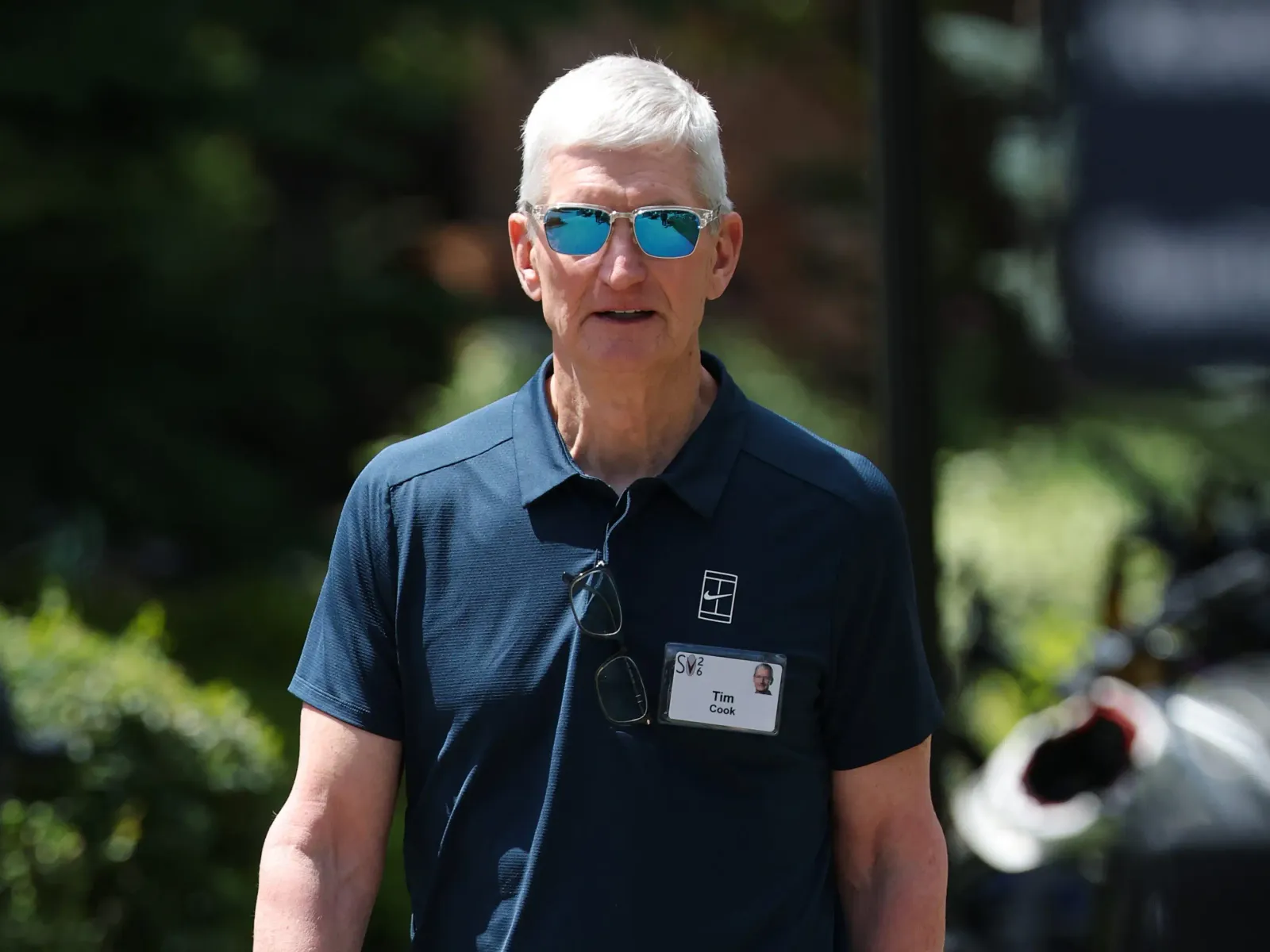
Apple filed a lawsuit accusing OpenAI of “knowing and deliberate” trade-secret theft through recruitment and interview tactics. The case escalates the AI talent wars and forces executives to rethink how mobility, interviews, and offboarding security are handled.
Apple on Friday escalated the AI talent wars by accusing OpenAI of “knowing and deliberate” trade-secret theft through its recruitment process. In the complaint, Apple alleges OpenAI recruiters went beyond hiring and used interviews as a way to extract confidential information from the iPhone maker.
The most specific allegation is also the most eyebrow-raising: Apple claims recruiters reportedly told candidates to study confidential Apple documents and prepare “Technical Deep Dive” presentations, and that one executive asked a candidate to bring physical Apple parts to interviews for “show and tell” sessions. The lawsuit lists batteries, logic boards, and glass samples. Apple says at least one candidate expressed concern, noting he was surprised people have brought Apple parts to interviews because he “didn't know we could take those from the office.”
That kind of allegation matters because interviews are supposed to be about fit, not forensics. Apple’s complaint frames the recruitment process itself as a pipeline for information, including probing for vendor, supplier, and engineering strategies, using secret Apple code names, and finding purportedly incriminating messages on workers’ company-issued laptops. The underlying claim is not just that people switched jobs. It is that steps within the hiring funnel were designed to surface confidential know-how.
This dispute lands in a market where staffing is strategy. The source describes OpenAI as an “AI juggernaut” that has been hiring hundreds of workers across the tech industry, “supercharging its headcount and yanking top AI talent from other tech companies.” When you treat talent as a competitive weapon, the boundaries around what is learned, when, and how, get blurrier. Apple’s lawsuit is essentially arguing those boundaries were crossed on purpose.
Apple’s complaint also expands the fight from recruitment tactics to the mechanics of leaving the company. The lawsuit targets Apple’s hardware outfit, IO, and two former Apple employees who worked at OpenAI. One central figure is Tang Tan, a former Apple employee and current OpenAI hardware chief named as a defendant. Apple alleges Tan used an Apple document outlining offboarding procedures to warn recruited employees about Apple’s forensic and security checks.
On top of that, Apple claims OpenAI told workers leaving Apple that they would not be asked to sign anything during their exit interviews. Apple’s filing argues that departing employees then took steps to evade security measures, such as failing to provide two weeks’ notice and ignoring outreach by security personnel to schedule exit processes and security reviews, “all of which may help to conceal the misuse and misappropriation of confidential information.” Even if you bracket the most dramatic language, the claim is still straightforward: Apple says it has a pattern, and the pattern points back to how exit and information access were handled.
OpenAI, for its part, denied interest in wrongdoing. In a spokesperson’s message to Business Insider, OpenAI said, “We have no interest in other companies' trade secrets.” The spokesperson added: “We remain focused on building innovative technology that empowers people everywhere.” The lawsuit is the response to that denial, and it is also the signal that Apple is treating this as more than a talent exodus story. It is a legal and operational reckoning.
For executives, this is a governance problem disguised as a recruiting story. If Apple’s claims are accurate, interview design, presentation prompts, and even “show and tell” formats become potential compliance hazards. That means HR, legal, security, and recruiting teams have to align on what candidates can be asked to prepare, what they can bring, and what information access is allowed during the evaluation cycle. It also raises questions about exit controls and offboarding workflows when employees are transitioning to competitors, especially in AI where specialized engineering and hardware knowledge can move quickly from one company to another.
Boardrooms and C-suites should also watch for second-order impacts beyond one lawsuit. Talent wars are already reshaping hiring at major tech companies, but this case suggests the contest could spill into how companies investigate competitors, protect proprietary systems, and document security checks. If regulators or courts treat interview-stage information extraction as materially different from ordinary hiring, it could change standard recruiting practices across the sector.
In the short term, this case adds fuel to the AI talent conflict: Apple says it found incriminating messages on company-issued laptops and describes a recruitment process that allegedly probed for trade secrets and used secret code names. In the long term, it could become a template for how other companies defend against alleged competitive information leakage, and how they structure mobility between rivals. Either way, the takeaway for leaders is clear: in AI, the question is no longer only who hires whom. It is how the hiring process itself can become a battleground.
This story's Key Insights and Take-aways are locked.
Create a free account to unlock Executive Actions for one credit.
Register to UnlockAlways free for Executives Club members. Join the Club
More in Technology

Google quietly links your phone number to every Android account on your SIM
Adding a SIM now ties your phone number to all Google accounts - and future accounts inherit it. Here's the security and privacy stakes.

Hijacker AI 'Skynet mode' runs 100,000 attack steps against exposed models
Symantec caught a criminal AI agent that borrows other models, steals data, and mines crypto; the only relief is no confirmed victims yet.

Nvidia's AI-financier shift faces its first big test as neoclouds stumble
A rout in neocloud stocks is forcing investors to weigh Nvidia's hidden exposure as both supplier and lender to the AI buildout.