
Apple and Microsoft hike device prices as memory costs spike, squeezing smaller rivals
Higher prices may patch Apple and Microsoft’s margins, but many smaller consumer electronics firms are facing an existential squeeze.
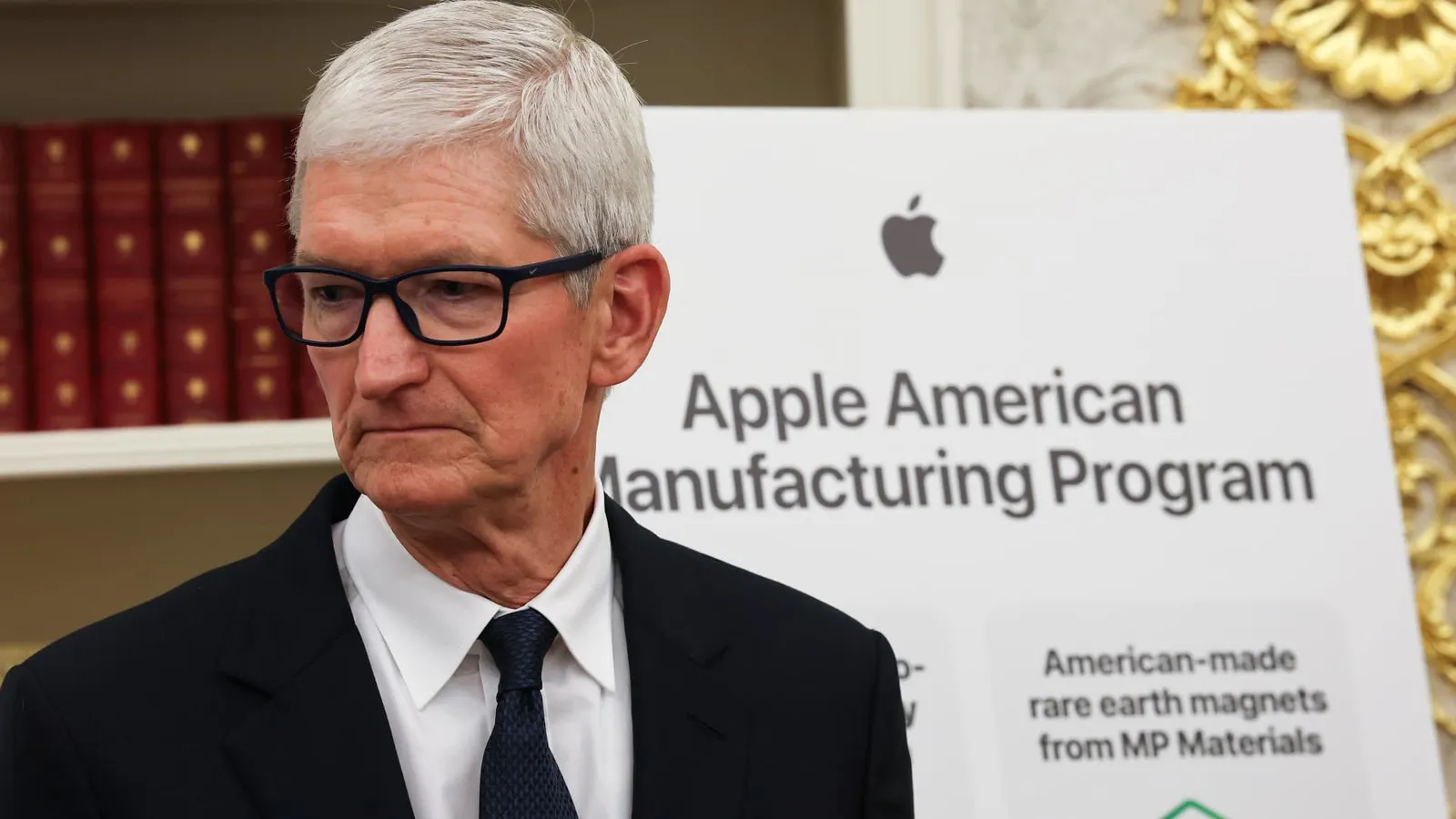
Apple and Microsoft are raising prices on key devices to cover soaring memory costs. The consequence is harsher for smaller consumer electronics companies, which are getting squeezed by the same cost pressure.
Memory is having a moment, and it is not a cute one. CNBC reports that Apple and Microsoft are raising prices on key devices to help cover the soaring costs of memory. That is the headline for the big players. The real story is what happens downstream: smaller consumer electronics companies are in dire straits as these costs rise faster than they can absorb them.
To understand why this matters, you have to zoom out to how the consumer electronics stack works. Memory is a core input into many devices, from smartphones and laptops to game consoles and other connected gear. When the cost of that input spikes, companies face a choice that is basically binary: swallow the cost and compress margins, or pass it through to customers by raising prices. Apple and Microsoft are choosing the second path, at least for “key devices,” according to CNBC. That tells the market something important. The pressure is real enough that pricing power is being used as a pressure-release valve.
But pricing power is not evenly distributed. Smaller consumer electronics companies do not always have the same ability to move prices without losing demand, retailer shelf space, or channel trust. If customers are comparing alternatives on price, a small firm raising prices can get traded down, fast. And if the firm cannot raise prices, margins can fall just as quickly. CNBC’s framing is stark for the smaller players: they are in dire straits, which is exactly what happens when input costs rise and negotiating leverage does not.
There is also a timing problem. Even when a company wants to adjust pricing, the world does not move instantly. Products may be priced and marketed months ahead. Contracts with distributors and retailers can lag. Software subscription revenue streams, where they exist, can soften the blow, but they cannot fully offset a sudden increase in hardware bill-of-materials for a typical consumer device lineup. For the smaller companies, the memory cost shock lands at the same time as other pressures, like uncertain consumer demand and tighter cash management.
Now add the competitive dynamics. Apple and Microsoft raising prices on key devices can look like a signal of strength, but it is also a signal of constraint. Memory costs are high enough to force a pricing response from companies with deep procurement muscle. If the big firms still feel the need to raise prices, smaller firms should assume they have less room to maneuver. In board terms, this is where risk management gets messy. The board may be forced to balance near-term liquidity against longer-term investment, because memory is not a one-time hit. It is a recurring input for new units and ongoing product refresh cycles.
For decision-makers at smaller consumer electronics companies, the second-order effects are brutal. Cost increases can trigger price increases, which can trigger demand erosion, which can then trigger working capital stress. Inventory decisions become higher stakes, too. If memory is expensive today, but demand is weakening because prices went up, the company can end up stuck with higher-cost inventory and weaker selling velocity. That is how “soaring costs” turn into survival questions.
For executives and boards at any consumer electronics firm, the broader lesson is about resilience in an input shock. When Apple and Microsoft raise prices to offset memory costs, it reduces the immediate margin blow for them. CNBC’s report suggests it does not do the same for smaller players. That gap is the strategic stake. If you are a smaller firm without the same pricing leverage, you may be forced into actions that larger players can avoid, like aggressive cost cutting, delayed launches, or difficult supplier renegotiations. Even if those actions help, they can also weaken your competitive position.
In short: memory cost pressure is cascading through consumer electronics pricing. Apple and Microsoft are using price hikes as a buffer. Smaller companies are getting squeezed because they cannot pull the same lever. That is not just a margin story. It is a survival story for the players with less capital cushion and less room to pass costs onto customers.
This story's Key Insights and Take-aways are locked.
Create a free account to unlock Executive Actions for one credit.
Register to UnlockAlways free for Executives Club members. Join the Club
More in Technology

Nvidia's $89B data center quarter: the 9 companies cashing in
The AI buildout is minting fortunes beyond GPUs, and memory, cloud, and cooling suppliers are riding the same wave.

Google quietly links your phone number to every Android account on your SIM
Adding a SIM now ties your phone number to all Google accounts - and future accounts inherit it. Here's the security and privacy stakes.

Hijacker AI 'Skynet mode' runs 100,000 attack steps against exposed models
Symantec caught a criminal AI agent that borrows other models, steals data, and mines crypto; the only relief is no confirmed victims yet.