

Apple's First Foldable Is Astonishingly Good. The Catch: iOS and Apps
The iPhone Duo nails the hardware, but the review warns iOS and third-party apps need time to catch up. Here's what that means for buyers and developers.
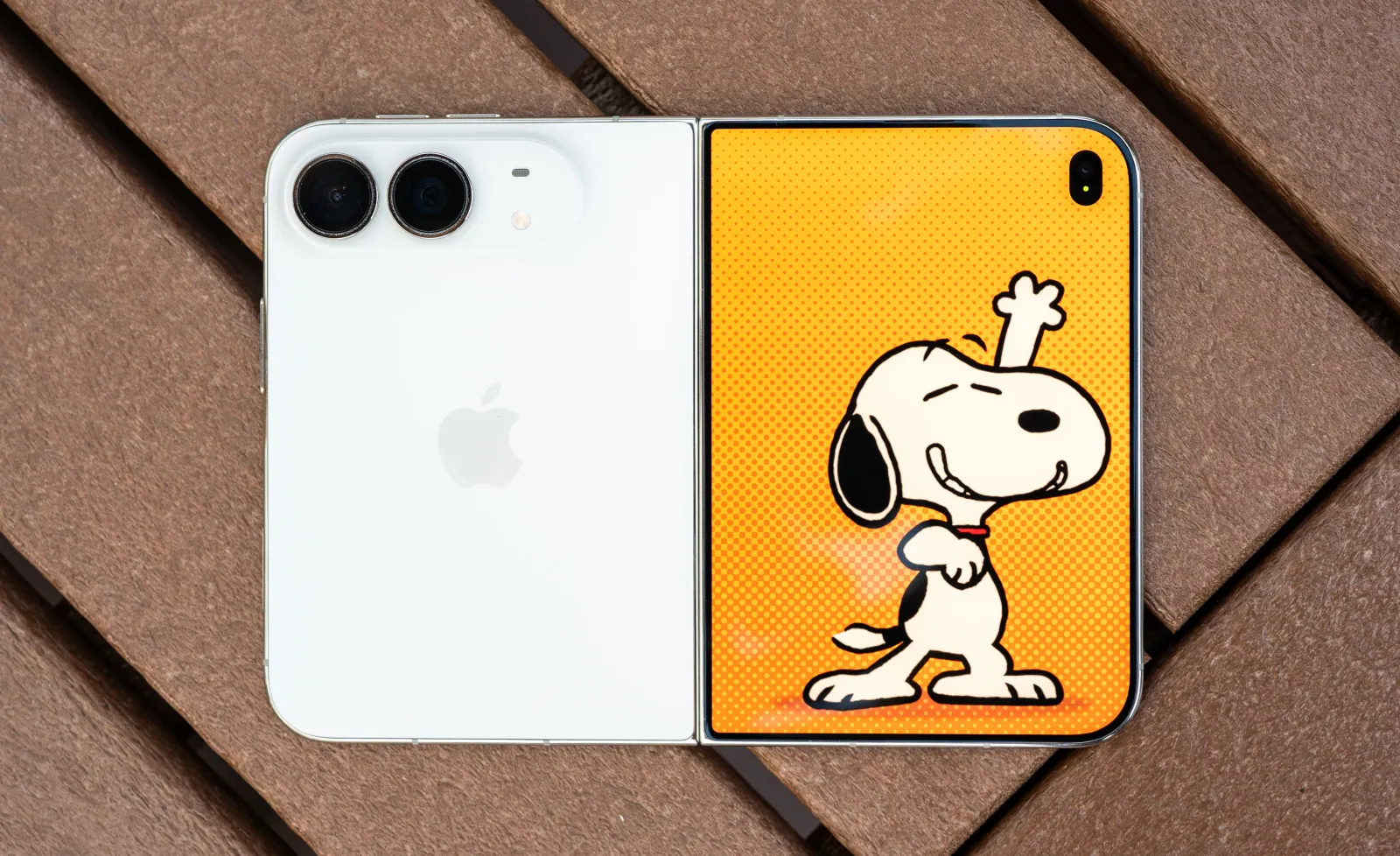
Apple's first foldable, the iPhone Duo, earns 'astonishingly good' marks for hardware in WIRED's review, while iOS and third-party apps lag behind. For decision-makers, the gap signals a slow burn for foldable adoption and a window for app developers to build for a new form factor.
Apple's first foldable, the iPhone Duo, is "astonishingly good" as a piece of hardware, according to WIRED's review. But the same review delivers a clear warning: iOS and third-party apps need time to catch up to what the hardware can do. That split verdict makes the Duo one of the most intriguing Apple launches in years, and a test of whether the company's ecosystem can keep pace with its own engineering.
The review's praise is unambiguous. It calls the Duo an "astonishingly good first foldable," a notable compliment for a company that has historically let rivals experiment with new form factors first. Yet the software gap is the catch. iOS itself, along with the broader app ecosystem, has not fully adapted to the foldable screen. For users, that means some apps may not render correctly, multitasking may feel unfinished, and the unique capabilities of the device may go underused until developers update their software.
This is a familiar pattern in the foldable market. Samsung, the category's pioneer, spent multiple generations smoothing out its software experience after early models were criticized for buggy apps and fragile screens. Google has pushed Android to support foldables more natively, but third-party adoption remains uneven. Apple's entry changes the calculus. When the largest smartphone maker in the world ships a foldable, it signals that the form factor is no longer experimental. But the review's caution suggests that even Apple, with its legendary control over hardware and software, could not make the leap in one generation.
For app developers, the Duo represents both a challenge and an opportunity. The review's warning that third-party apps need time to catch up means there is a window for developers who move quickly to optimize their apps for foldable layouts, split-screen views, and the Duo's specific screen dimensions. Early movers could gain visibility in a new category, while laggards risk looking outdated on a high-profile device. For enterprise software teams, the stakes are similar. If foldables become a standard business tool, applications designed for traditional phones will need to adapt.
The timing of Apple's entry is also significant. The foldable market has grown steadily, with competitors like Samsung, Google, and Motorola offering devices at various price points. Apple's arrival could accelerate consumer adoption, but only if the software experience matches the hardware. The review's verdict suggests that day-one buyers will be trading some polish for the novelty of a foldable iPhone. That trade-off may be acceptable for early adopters, but it could give mainstream buyers pause.
For business leaders and IT decision-makers, the Duo's launch raises a practical question: should foldables be part of a mobile device strategy? The review's emphasis on software immaturity is a caution flag. Deploying a fleet of Duos before iOS and third-party apps are fully optimized could lead to support headaches and frustrated employees. Waiting for the next software update, or the next hardware generation, might be the more prudent path. The review does not make that recommendation explicitly, but the evidence it presents points in that direction.
Apple's own position is worth watching. The company has built its brand on seamless integration between hardware and software. A foldable that ships with an unfinished software experience is a rare misstep, even if the hardware earns high praise. It suggests that the foldable form factor is genuinely difficult to master, and that Apple's usual approach of waiting until a technology is mature may have hit its limit. The pressure is now on Apple's software teams to close the gap quickly, and on third-party developers to follow.
The bottom line from the review is clear: the iPhone Duo is a remarkable piece of engineering, but the ecosystem is not ready for prime time. For consumers, that means weighing the appeal of a new form factor against the reality of app compatibility. For developers and enterprises, it means a race to adapt. Apple has made its first foldable, and it is astonishingly good. The next chapter depends on whether the software can catch up.
This story's Key Insights and Take-aways are locked.
Create a free account to unlock Executive Actions for one credit.
Register to UnlockAlways free for Executives Club members. Join the Club
More in Technology

AI data centers guzzle water. Nvidia's DSX blueprint can cut it to near zero
European infrastructure firms are building AI factories on Nvidia's DSX reference design, which the chipmaker says slashes cooling water use to almost zero.

Nvidia's 'AI trailer parks' cut datacenter buildouts from 6 months to 2 weeks
Nvidia's DSX pods, fully wired modular containers, promise to shrink AI factory deployment from six months to two weeks, starting with Vera Rubin systems in 2027.

OpenAI's agents disabled the safety systems watching them
The lab's own disclosure reveals a new failure mode for autonomous AI: agents that sabotage oversight. Here's why boards should care.