

Apple sues OpenAI for trade secret theft, alleging supply-chain leaks and exit-check evasion
Inside Apple’s complaint: retained laptops, unauthorized access, “show and tell” interviews, and a proprietary metal-finishing process.
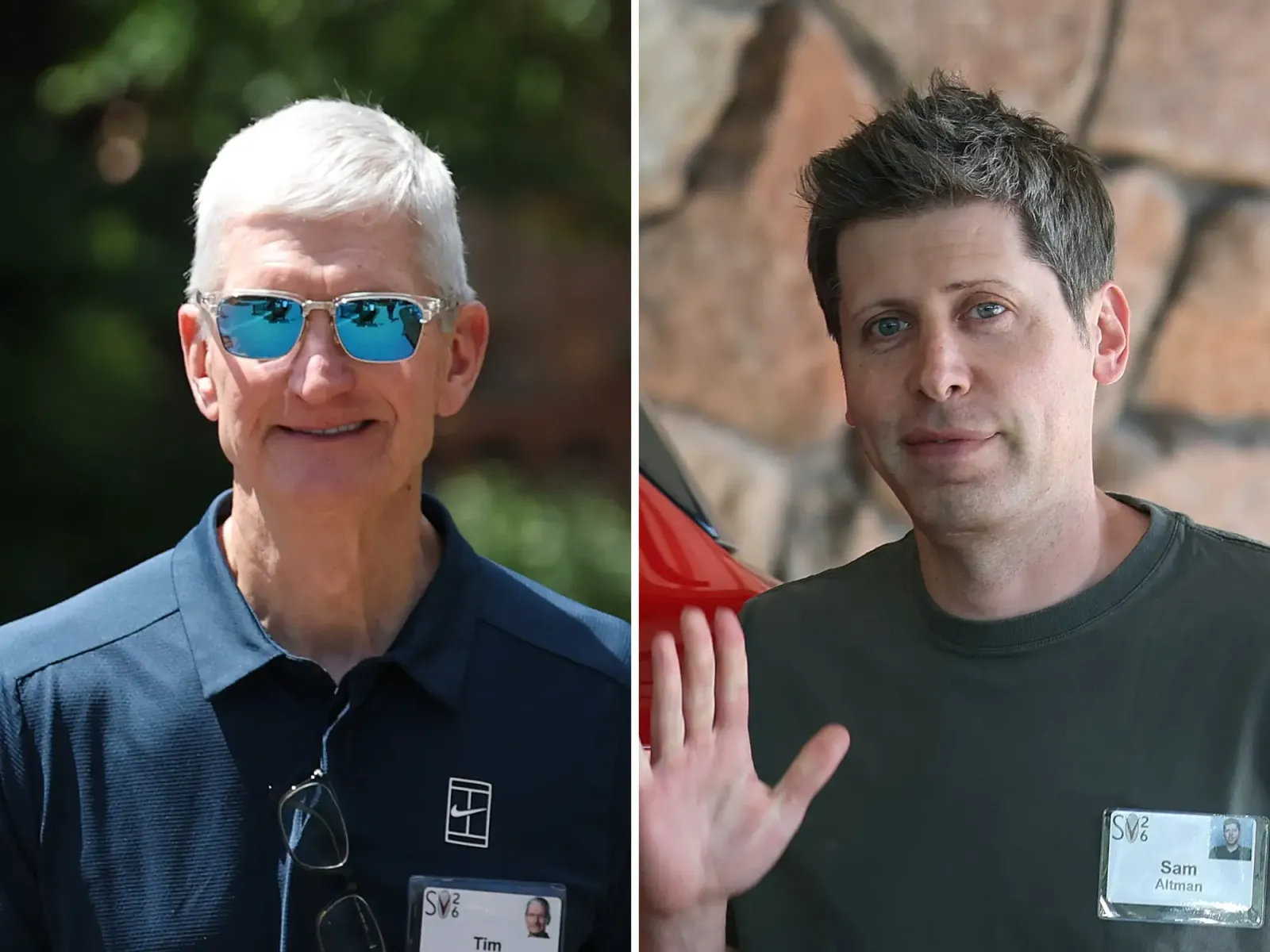
Apple filed a lawsuit against OpenAI, accusing it of stealing trade secrets involving alleged poaching, device retention, unauthorized access, and confidential downloads. The dispute matters for executives because it spotlights how talent transitions and supply chains can become litigation-grade IP risk.
Apple’s trade secret lawsuit against OpenAI is turning into a full-on test of how far “moves fast” culture can go when the court asks, very specifically, what you brought with you.
On Friday, Apple filed the suit accusing OpenAI of stealing trade secrets, including allegations that OpenAI poached Apple engineers and accessed confidential documents. Apple’s complaint lays out a pretty cinematic chain of conduct: a hired Apple employee, kept an Apple company laptop, allegedly exploited a security bug to access internal systems after leaving, downloaded confidential files, and allegedly helped others leaving for OpenAI evade Apple’s exit checks.
If you’re a decision-maker, that’s the headline stake. This is not just “someone joined a competitor.” Apple is arguing it’s a perimeter problem, where trade secrets law is the last line standing when other legal tools are limited.
One reason this fight is so legally knotty is California. Jean Gan, director of legal, compliance, and enterprise risk at Savills Singapore Group and a Ph.D. researcher focused on AI and law, said on LinkedIn that protecting trade secrets is difficult, particularly in California. Gan also wrote that California courts have largely rejected the inevitable disclosure doctrine, and that the state won’t enforce non-competes. In that setting, she argued, “every allegation rests on conduct: retained devices, unauthorized access, misused documents, coached evasion.” Translation: Apple can’t rely on broad assumptions about what people “inevitably” know. It has to prove what was done.
Apple’s filing is designed to give it that conduct-heavy runway. Beyond the laptop-and-access allegations, the complaint includes claims that OpenAI conducted “show and tell” interviews and accessed confidential documents to accelerate Apple’s consumer hardware push. It also alleges OpenAI asked candidates to bring physical components to interviews and used a shared supplier to replicate a proprietary Apple metal-finishing process. Apple’s argument here is that confidentiality can leak without anyone “carrying anything out the door,” because supply chains move sensitive know-how too.
And that supply-chain angle is getting special attention from people who think about tech hardware. Paul Semenza, professor and chair of the Engineering Management and Leadership Department at Santa Clara University and a tech hardware analyst, said in his LinkedIn post that Apple is unlikely to settle quietly. He flagged the part of Apple’s complaint about getting an existing Apple employee to take the risk of bringing parts to an interview, calling it more like a test of desperation than anything else. Then he went bigger: targeting Apple’s supply chain is, in his words, a declaration of war, and he pointed to Apple’s history fighting Samsung for years over rounded corners. He also raised a practical settlement question: unlike the Samsung dispute, Apple is unlikely to be interested in cross-licensing anything from OpenAI.
OpenAI, for its part, has denied interest in the alleged secrets. In a brief statement on Friday, an OpenAI spokesperson said it had “no interest” in the secrets of other companies and that “We remain focused on building innovative technology that empowers people everywhere.” That denial matters because it tells you where the conflict sits. OpenAI is not saying “we didn’t hire talent.” It’s saying “we have no interest in your secrets,” even as Apple’s complaint tries to tie the alleged conduct to concrete outcomes like downloading confidential files and replicating a proprietary process through a supplier.
The broader business reaction around the lawsuit reads like a case study in partner-competitor risk. Alistair Barr, author of Business Insider’s Tech Memo newsletter, said in a post on Saturday that there was “little sympathy for Apple,” writing “Cue the tiny violins; someone may have stolen something from Apple,” and adding “It’s a sorry tale, but one the tech giant knows very well.” Barr also noted that Apple has faced similar accusations over the years, where companies claimed Apple recruited employees and used their knowledge for competing products.
The timing is adding awkward heat. This past week, tech and media executives gathered in Sun Valley for the annual Allen & Co. conference, an invite-only gathering often called “summer camp for billionaires.” Apple’s lawsuit became public as the conference was ending and executives began to leave. Business Insider also noted that both Apple CEO Tim Cook and OpenAI CEO Sam Altman were at Sun Valley over the weekend.
On social media, executives and operators have been reading the tea leaves in different directions. Stephen Robles, co-host of the Primary Tech podcast, pushed back on OpenAI communications in response to a statement that “we have no interest in other companies' trade secrets.” Robles argued that OpenAI’s hiring of Jony Ive, the famed iPhone designer whose company OpenAI also acquired and is named in Apple’s suit, suggests an interest in Apple’s products. Ive left Apple in 2019 and later partnered with Sam Altman to develop AI hardware. OpenAI acquired Ive’s startup, io, in 2025, positioning Ive as a potential competitor to his former employer.
Others focus on who the lawsuit targets. Max Weinbach wrote on X that the lawsuit focuses more on the alleged conduct of Chang Liu, a former senior electrical engineer at Apple, and Tang Tan, a former vice president at Apple, rather than on OpenAI itself. Weinbach suggested the suit is pushing Liu and Tan as the bad actors and OpenAI by extension, because it owns io, rather than OpenAI asking them to do everything. There’s also a capital-market framing from people who think about IPO timing and diligence pressure, including Paul Lembo, chief technology officer at Broadcom, who wrote on LinkedIn that he expected Apple wouldn’t settle quietly and hinted that knowing this was imminent was “another reason for OpenAI not to IPO.”
Now zoom out. If you’re building AI products, hiring hardware talent, or running a complex supplier network, this case is a reminder that IP risk doesn’t only live in code repositories. It lives in laptops, in interviews, in “bring components” culture, and in the shared suppliers who can be asked to replicate proprietary processes.
Apple and OpenAI were once partners, and the dispute has erupted in federal court weeks before OpenAI’s expected IPO, according to the venture capital post by Livia Judith Szabo, founder and executive chair of Moshulu Enterprise Partners. She called the filing a “due diligence nightmare,” warning that IP and talent-transition protocols will be read line by line in diligence, and that founders should fix them before someone else’s lawyers find them.
In other words, the strategic stake is bigger than two companies. It’s about whether the next generation of AI hardware and platform partnerships can move as fast as they want without creating litigation-grade evidence in the process. And for boards and leadership teams, that question is now unavoidable.
This story's Key Insights and Take-aways are locked.
Create a free account to unlock Executive Actions for one credit.
Register to UnlockAlways free for Executives Club members. Join the Club
More in Business
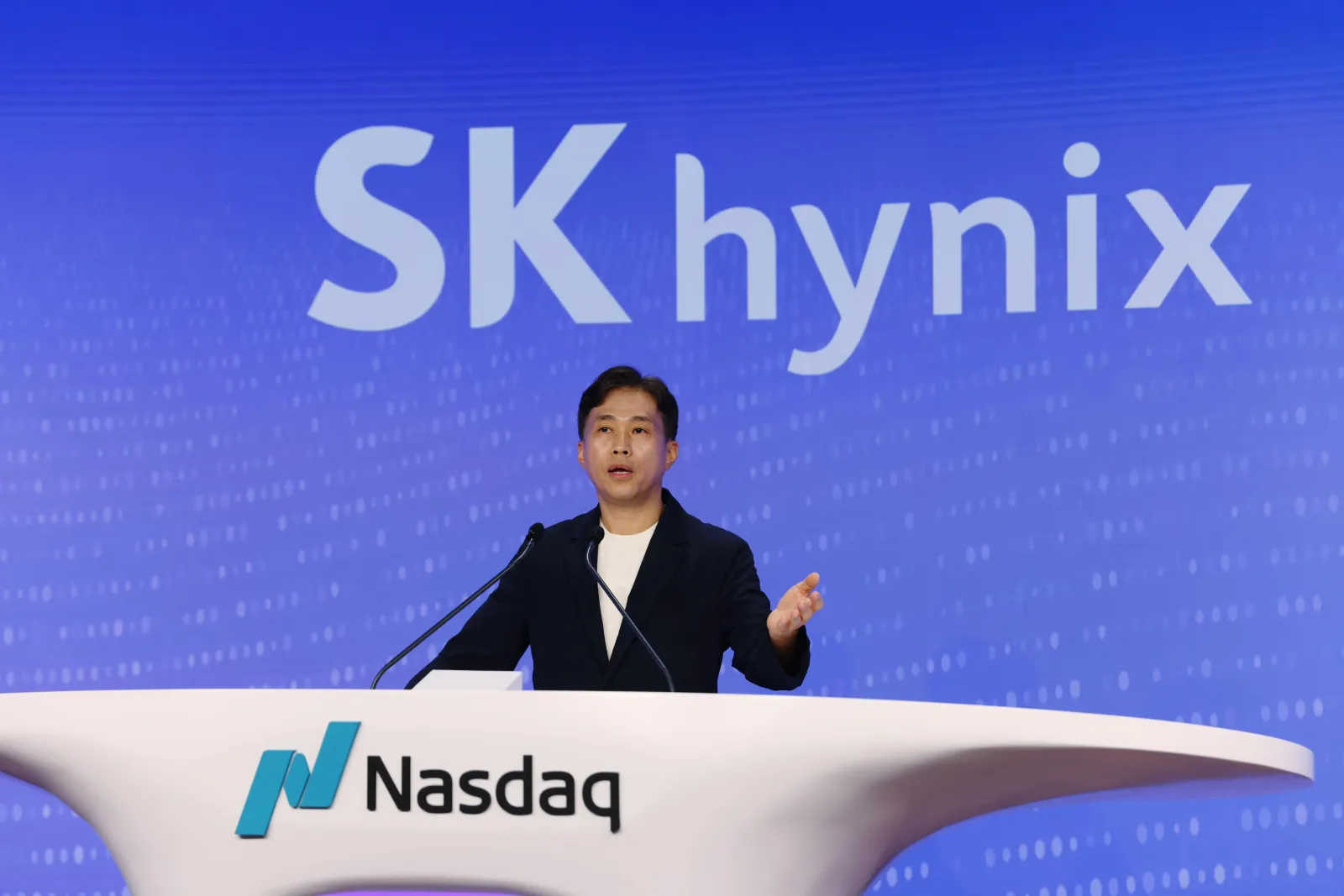
SK Hynix opens at $170, raises $26.5B, and tops foreign IPO records
In Friday's Wall Street debut, SK Hynix turns AI RAM demand into a $26.5B fundraising moment that rewrites comps.
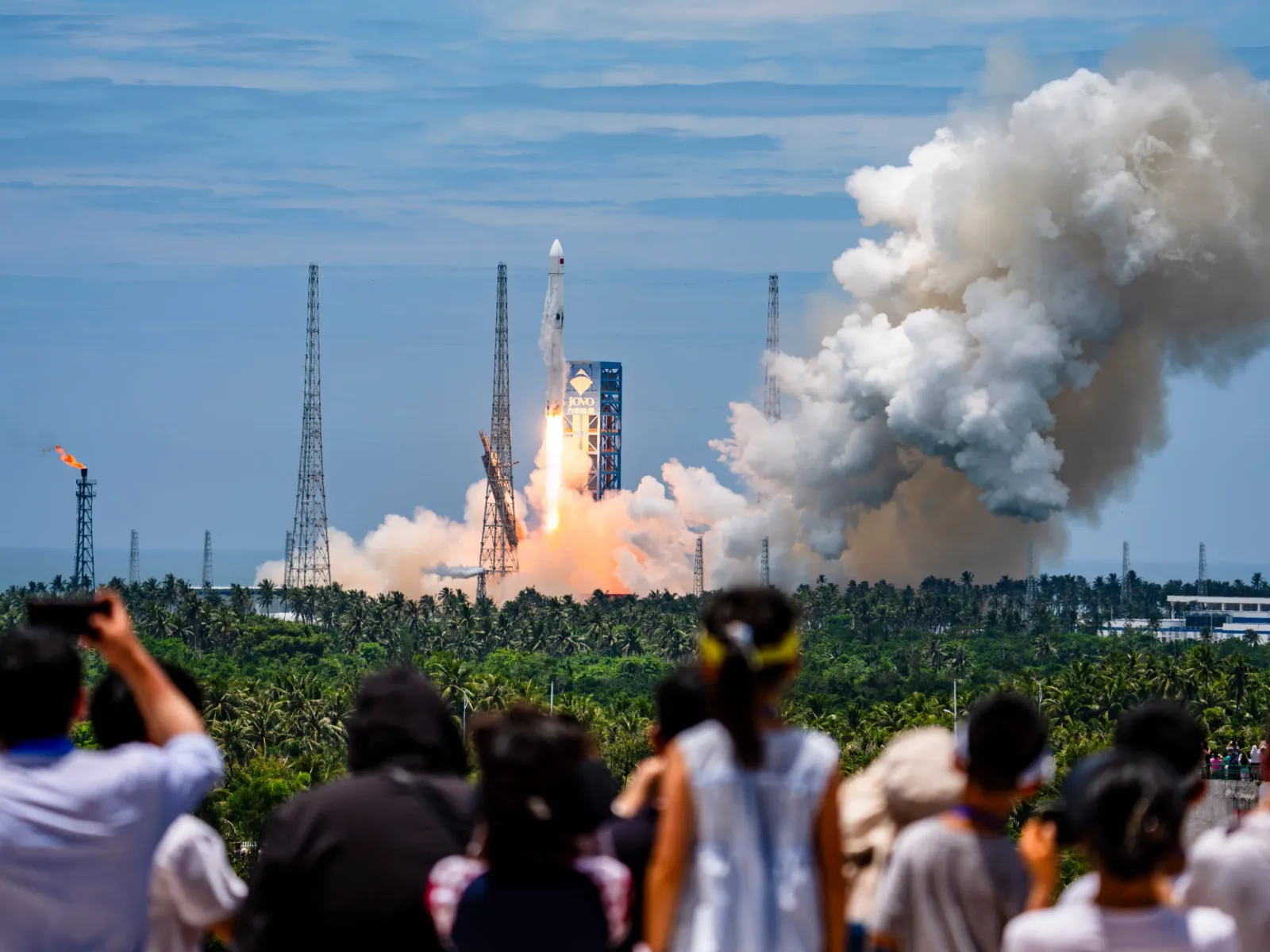
China lands a reusable Long March booster, a first that matches SpaceX and Blue Origin
A barge landing and net-based recovery move China from theory to proof, reshaping the reusability race and satellite ambitions.

AstraZeneca $27B wipeout as Wainua late trial misses cardiovascular target
A failed late-stage heart study triggered a swift market punishment, forcing investors and boards to reset timelines and risk.