

Apple sues OpenAI in Northern California, alleging Tang Tan stole device trade secrets
Apple files a lawsuit Friday targeting Tang Tan and Chang Liu, accusing OpenAI of using Apple confidential information for devices.
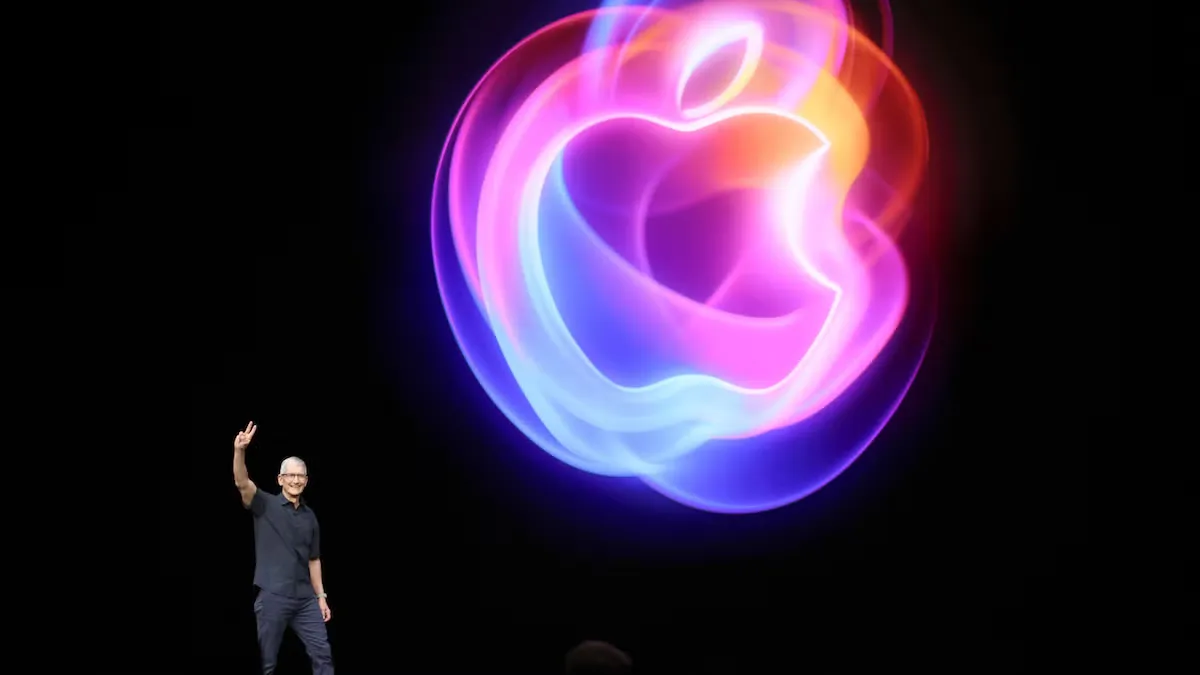
Apple sued OpenAI on Friday in the Northern District of California, accusing OpenAI chief hardware officer Tang Tan and technical staff member Chang Liu of stealing Apple trade secrets for AI devices. The case also names IO Products, tied to Jony Ive, and escalates a partnership that has already turned into competitive divergence.
Apple sued OpenAI on Friday in the Northern District of California, accusing OpenAI and its chief hardware officer Tang Tan of stealing trade secrets for use in building AI-powered devices. Apple’s filing targets Tan and a technical staff member, Chang Liu, and frames the conduct as systematic, happening “at every level” of OpenAI’s technical staff and coordinated with business partners.
In the lawsuit, Apple claims Tan and staff members took confidential Apple information to help OpenAI’s device efforts, while also allegedly encouraging Apple employees to share more. Apple says Tan directed job candidates still working for Apple to bring “actual parts” from Apple to interviews at OpenAI for “show and tell” sessions, designed to “elicit still more Apple confidential information.” The allegation matters because it is not just a dispute over software ideas. It is an attempt to use proprietary know-how tied to hardware, components, and implementation details that can be harder to reverse engineer than code.
The timing is especially sharp because Apple and OpenAI were partners in 2024, reportedly in a bid for Apple to use ChatGPT to fuel Siri. But that strategic relationship has pivoted: Apple’s new Siri is now powered by Google’s AI, and the company’s complaint suggests it sees OpenAI’s device ambitions as the moment where the partnership turned adversarial. The suit reads like a legal line in the sand aimed at protecting the competitive moat Apple believes it built through confidential information and personnel knowledge.
This is happening while OpenAI is making moves that signal it wants control of the stack, not just the model. The source notes that a battle between the two companies has been brewing since OpenAI announced its intention to build its own hardware. It bought former Apple designer Jony Ive's startup IO Products for $6.4 billion last year, and IO Products is also named in the lawsuit. When a company spends billions to acquire hardware design capacity and the customer promise is AI devices, trade secret claims are a natural battleground. The legal system becomes a way to ask: what exactly did the acquired expertise and new hiring bring into the product pipeline, and what crossed the line?
The regulatory context is worth watching, even if it is not the focus of the complaint itself. The U.S. court system is a central enforcement mechanism for trade secret law, and these disputes often lead to discovery that can expose internal decision-making, timelines, and technical documentation. That can have second-order consequences for product roadmaps and partner negotiations, because companies do not just litigate to win. They litigate to limit damage, constrain what others can use, and deter future leakage. For boards and executives, trade secret cases also create a governance spotlight. If leadership is accused of encouraging employees to bring parts, the question quickly becomes whether talent mobility is being managed with appropriate safeguards.
There is also a reputational and competitive angle. If Apple’s claims are taken seriously by the court and the case proceeds, other players in the AI device race will look harder at hiring practices, nondisclosure agreements, and internal compliance. That does not mean companies stop hiring across rivals, but it can change how they structure interviews, what devices can be shown, and how they treat the line between individual experience and company confidential information. In other words, the dispute can tighten the rules of the talent market in AI hardware, whether or not OpenAI intended to operate outside the boundaries.
Finally, the stakes for executives are practical. Apple is asking a court to stop or limit behavior it believes enables competitive device development by using Apple confidential information. OpenAI, for its part, will likely argue about intent, scope, and what is legally protected. Either way, the case signals that the next phase of AI competition is not only about model performance. It is about shipping devices, controlling industrial design and engineering workflows, and managing the human capital routes that can move proprietary knowledge. For any company building AI-powered hardware, the lesson is simple: in a world where partnerships move fast and product cycles are faster, trade secrets are not abstract. They can become the whole dispute.
This story's Key Insights and Take-aways are locked.
Create a free account to unlock Executive Actions for one credit.
Register to UnlockAlways free for Executives Club members. Join the Club
More in Business
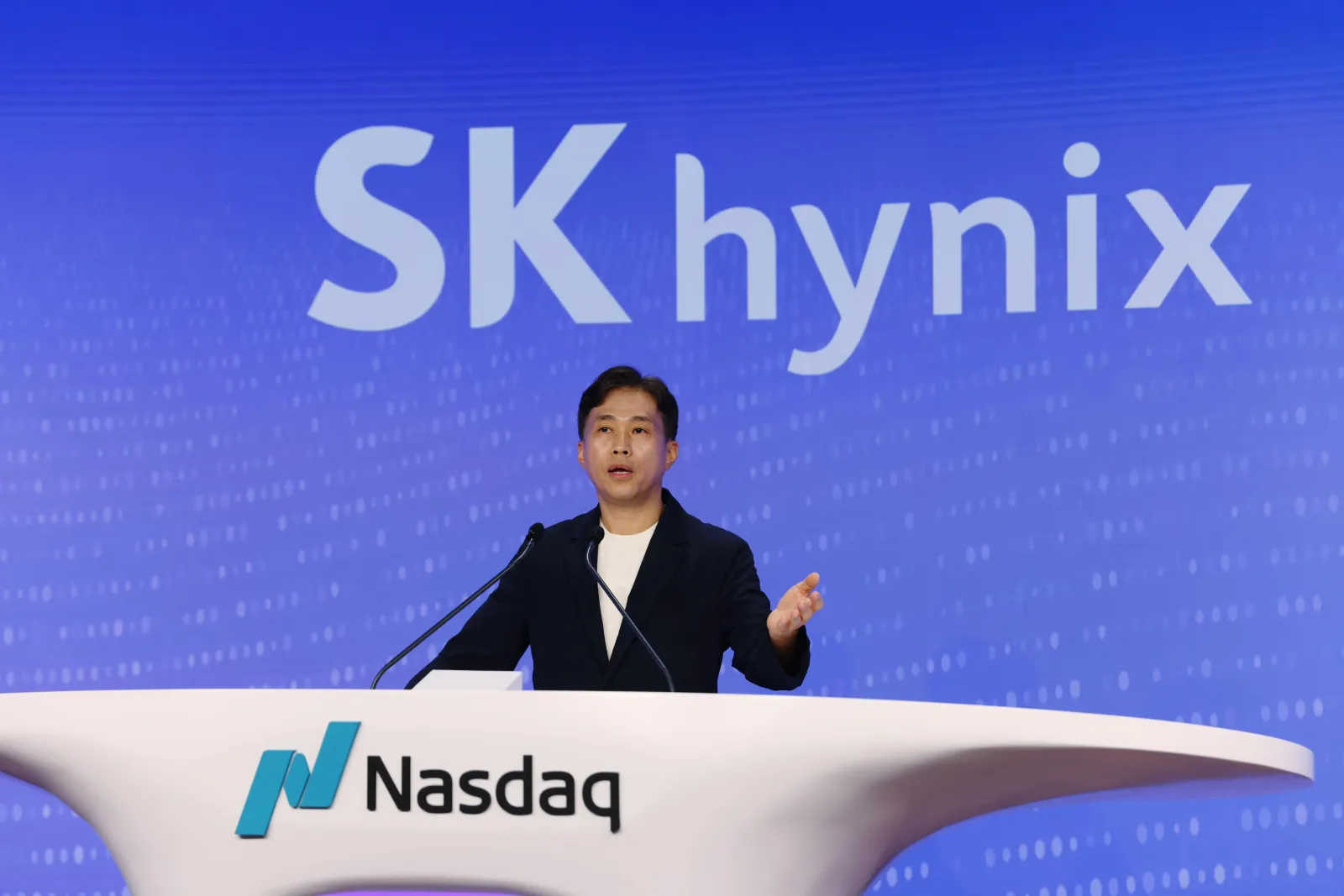
SK Hynix opens at $170, raises $26.5B, and tops foreign IPO records
In Friday's Wall Street debut, SK Hynix turns AI RAM demand into a $26.5B fundraising moment that rewrites comps.
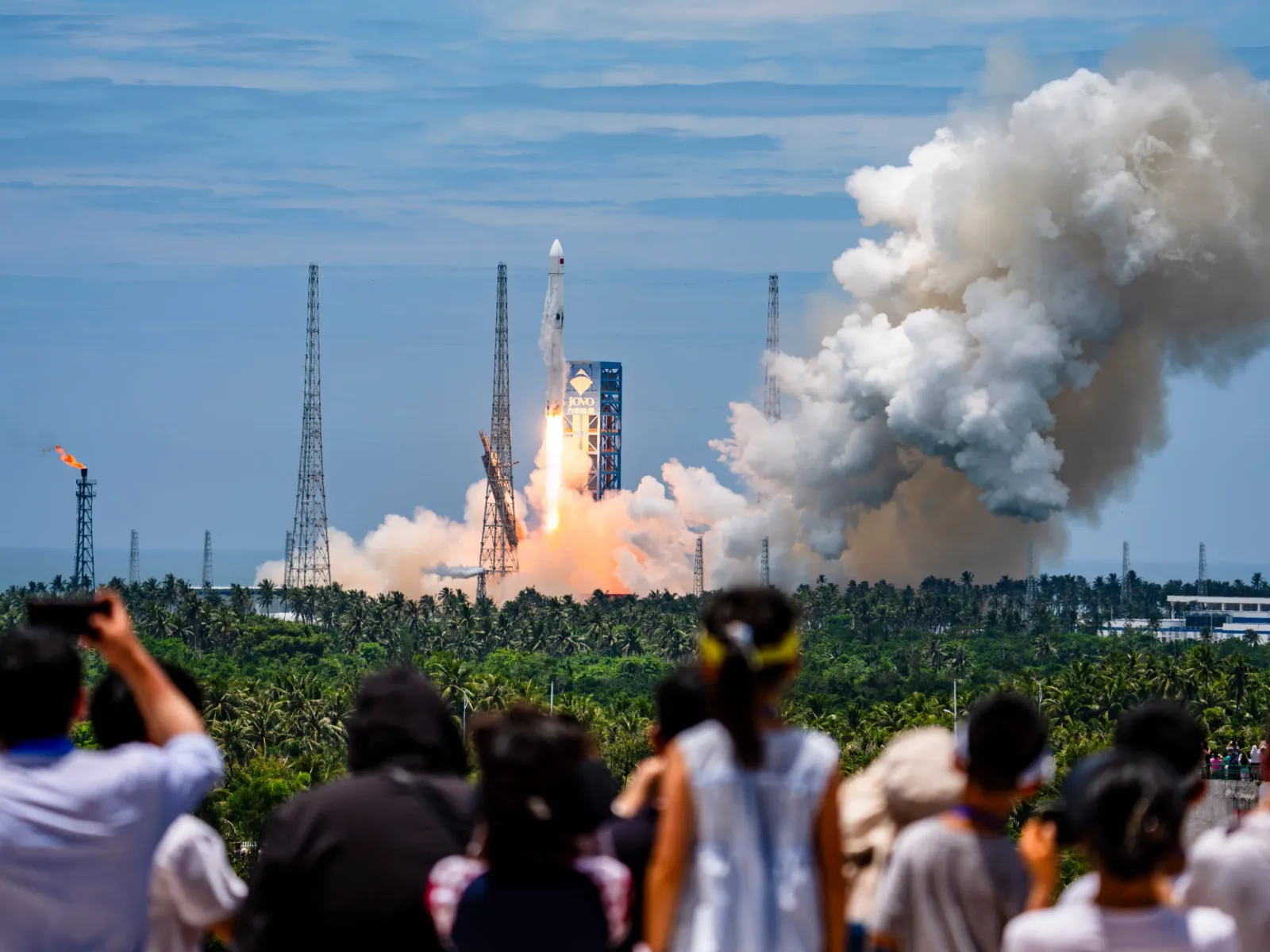
China lands a reusable Long March booster, a first that matches SpaceX and Blue Origin
A barge landing and net-based recovery move China from theory to proof, reshaping the reusability race and satellite ambitions.

AstraZeneca $27B wipeout as Wainua late trial misses cardiovascular target
A failed late-stage heart study triggered a swift market punishment, forcing investors and boards to reset timelines and risk.