
Apple sues OpenAI over alleged stolen secrets after 2024 AI partnership soured
Apple claims OpenAI took company secrets, escalating a 2024 Apple-AI deal into open legal war.
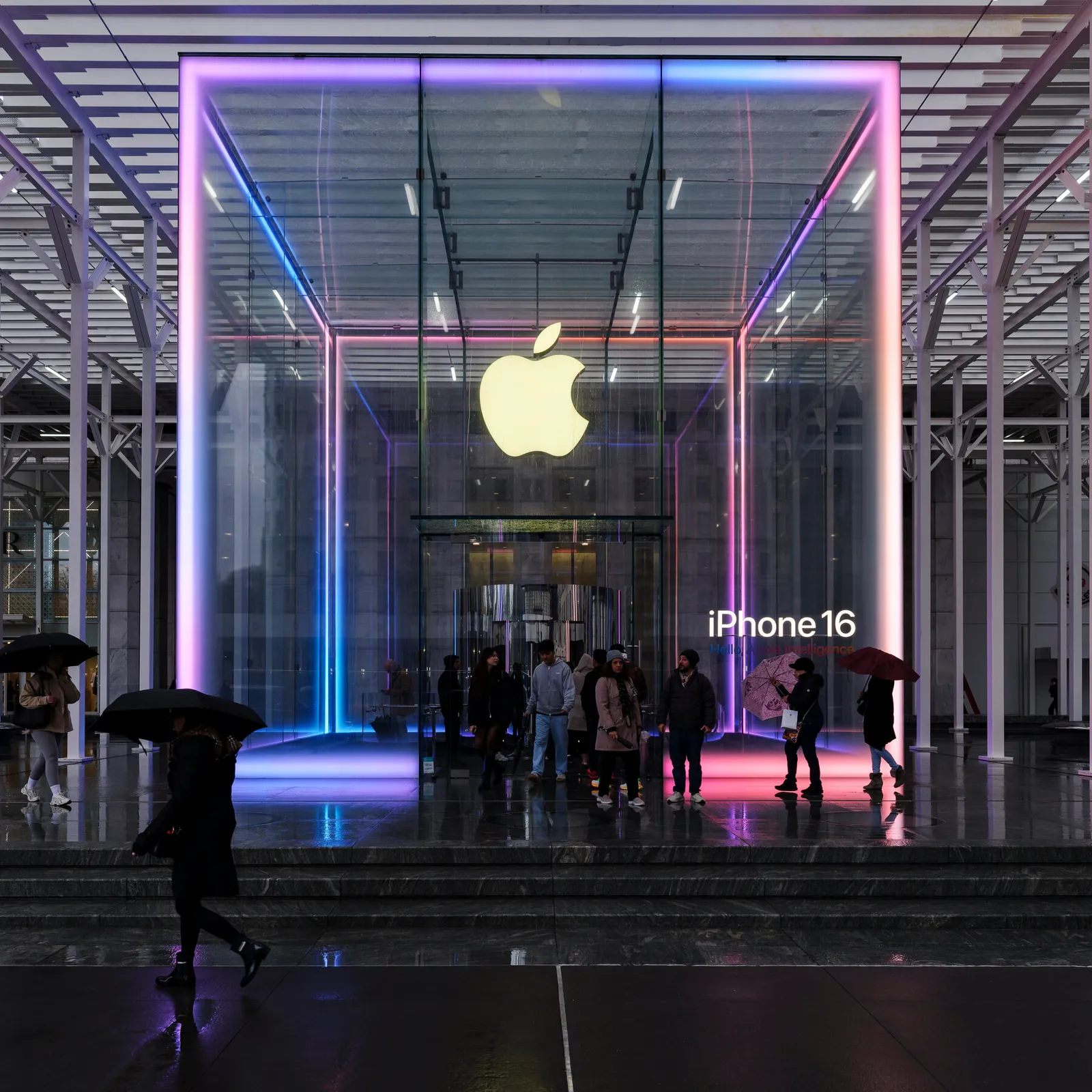
Apple has sued OpenAI, accusing it of stealing company secrets, after the companies struck a deal in 2024 to offer AI services on Apple devices. The lawsuit turns a commercial partnership into a legal and strategic risk that could reshape how tech firms share AI on-device.
Apple and OpenAI are now in court, with Apple accusing OpenAI of stealing company secrets. The timing matters because the two companies were not strangers or competitors at the beginning of the story. In 2024, they struck a deal to offer AI services on Apple devices. That partnership was supposed to turn AI into something Apple-controlled and user-facing, delivered through Apple’s hardware and ecosystem.
But the relationship has “soured,” and Apple’s lawsuit signals how quickly a promising commercial arrangement can flip into something riskier: legal exposure over control of intellectual property and internal know-how. The core of the dispute, as framed by the New York Times, is straightforward at a high level. Apple says the partnership crossed a line, accusing OpenAI of stealing company secrets. Translation for decision-makers: this is not just a branding or performance dispute. It is a trust-and-control dispute with potential consequences for product timelines, engineering collaboration, and future licensing terms.
To understand why this particular lawsuit hits so hard, you have to zoom out to the structure of modern AI deployments. The “AI on your device” model is not just a tech trend. It is a business strategy built on data flows, model integration, and proprietary system design. Even when companies share services, they typically have strong incentives to protect what is unique about their platform. For Apple, that means keeping key elements of its device experience and internal systems from being copied, extracted, or repurposed. For OpenAI, it means maintaining the integrity of what it built and how it built it, while navigating partner constraints that can affect how models and features are deployed.
This is also why a 2024 partnership matters as the factual anchor. The deal in 2024 indicates there was a commercial pathway for offering AI services on Apple devices. That makes the alleged conduct more consequential, because it occurs in the context of a relationship that required access and collaboration. When partnerships involve access, firms often rely on contractual protections, NDAs, and clear boundaries around what can be used, shared, and retained. A lawsuit framed as “stealing company secrets” is essentially the claim that those boundaries were breached.
Regulatory background is not the centerpiece here, but it is part of the broader environment. AI collaborations between major tech companies and leading model providers have increasingly attracted scrutiny over data handling, security practices, and how proprietary technology is safeguarded. Even when regulators are not named in this specific New York Times summary, the macro trend is clear: regulators, customers, and partners all care about who controls what, and how confidential material is protected. A court dispute between Apple and OpenAI tends to turn those broader questions into sharper business decisions for everyone else watching.
The second-order effect for executives is that legal conflict changes the economics and engineering of partnerships, not just the headline. When a tech relationship fractures, it can force re-scoping of product roadmaps. Teams that were building together may have to pause integrations, rewrite technical interfaces, or renegotiate data and model usage. Boards also have to think about risk transfer. Who bears the cost of delays? Who controls ongoing IP risk? In partnership-heavy AI strategies, legal uncertainty can become operational uncertainty.
And then there is the competitive angle. Apple suing OpenAI, after a 2024 deal to bring AI services to Apple devices, underscores an uncomfortable reality for the entire market: the winners in AI are not only the model builders. They are also the distribution owners and ecosystem controllers who can attach AI to their product experiences. If Apple believes its secrets were taken, it is not just defending engineering. It is defending its ability to build and ship differentiating features without being copied. That posture reverberates across the sector, from handset and laptop makers to app platforms and cloud providers, because the same partnership pattern repeats everywhere.
For decision-makers in similar roles, the strategic stakes are simple. Partnerships can accelerate AI adoption, but they also create dependence. When trust breaks, the cost is paid in court filings, engineering reallocations, and lost time. Apple and OpenAI now have to litigate the meaning of their collaboration and the alleged misuse of confidential information. The outcome will matter not only to them, but to every company trying to turn AI into a dependable feature on devices the public uses every day.
This story's Key Insights and Take-aways are locked.
Create a free account to unlock Executive Actions for one credit.
Register to UnlockAlways free for Executives Club members. Join the Club
More in Business
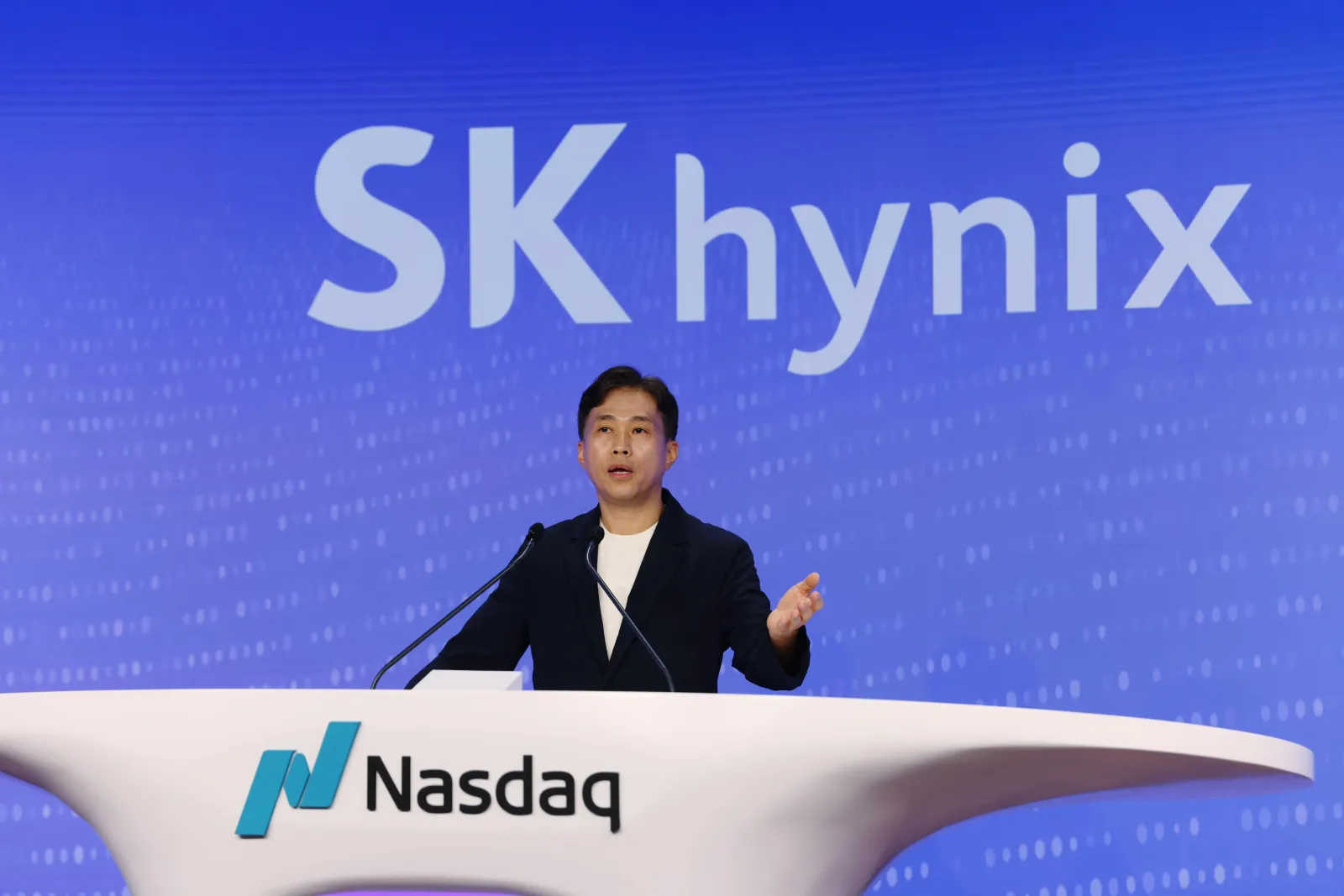
SK Hynix opens at $170, raises $26.5B, and tops foreign IPO records
In Friday's Wall Street debut, SK Hynix turns AI RAM demand into a $26.5B fundraising moment that rewrites comps.

China lands a reusable Long March booster, a first that matches SpaceX and Blue Origin
A barge landing and net-based recovery move China from theory to proof, reshaping the reusability race and satellite ambitions.

AstraZeneca $27B wipeout as Wainua late trial misses cardiovascular target
A failed late-stage heart study triggered a swift market punishment, forcing investors and boards to reset timelines and risk.