
Apple sues OpenAI over alleged trade-secret theft via poached employees to build hardware
The lawsuit claims OpenAI recruited Apple staff and sought confidential product designs, raising new risks for AI hiring.
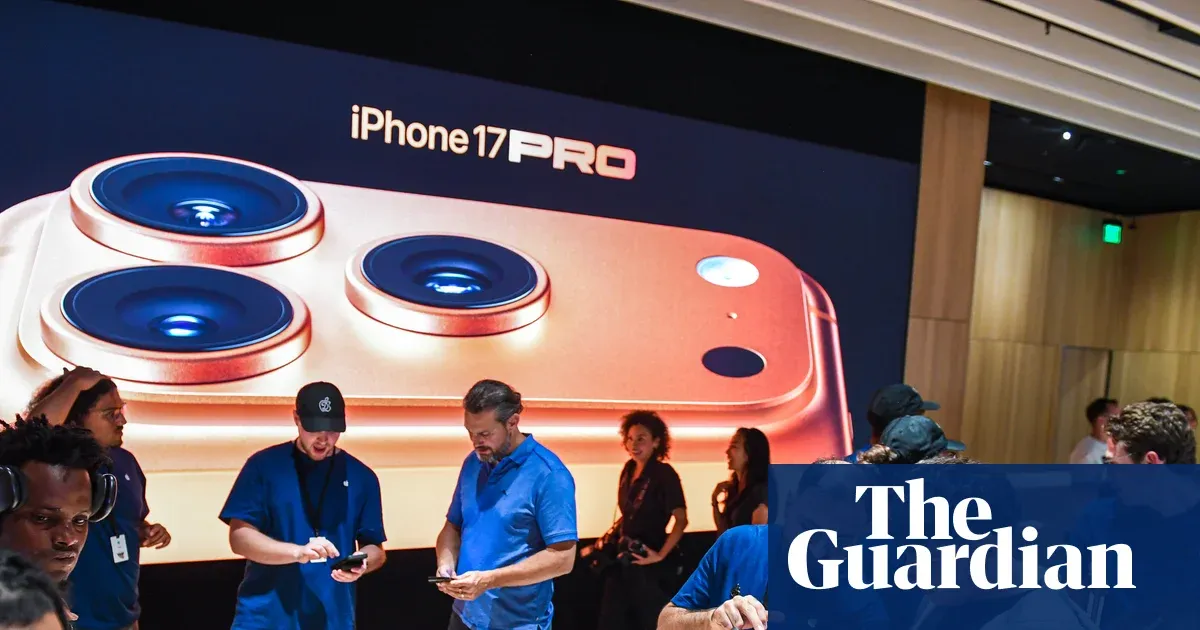
Apple filed a lawsuit against OpenAI on Friday, alleging OpenAI stole trade secrets. The complaint says OpenAI poached Apple employees and coaxed them to share confidential material to help create its own hardware device.
Apple is suing OpenAI, alleging the AI company stole Apple trade secrets as part of a plan to build its own hardware device. In a lawsuit filed on Friday, Apple claims OpenAI poached Apple employees and coaxed them to hand over confidential material, including product designs and other tightly held information.
If you are an executive, this is not a vague IP spat. It is a direct challenge to the modern talent pipeline, where AI teams scale fast and hiring can look like competitive inevitability. Apple’s case frames the dispute as trade-secret theft, not just normal recruiting friction, and it pins the alleged conduct to specific people and specific kinds of information.
To understand why this matters, you have to understand how these teams are built. AI companies compete on models, data, and product execution. Hardware adds another layer: physical devices are often where companies try to differentiate through industrial design, supply chain choices, component integration, and user experience. That is why trade secrets like product designs and internal engineering details are uniquely sensitive. If those details leave a company in the wrong way, the harm is not theoretical. It can compress timelines, reduce trial and error, and blunt the advantage that justifies a costly R&D effort.
This lawsuit also lands in an environment where regulators and courts are increasingly attentive to how companies use employee mobility and proprietary know-how. Even when no criminal conduct is alleged, the question becomes: what did an employee take, what did they share, and how was that information solicited? Apple’s framing is that OpenAI crossed that line by coaxing employees to provide confidential material. That is the kind of allegation that can reshape how boards and legal teams think about hiring, separation agreements, and the “clean room” approaches that companies sometimes use when teams move between competitors.
For OpenAI and other AI builders, the uncomfortable second-order problem is that the talent market is the product’s production line. When companies accelerate hiring, they also create more surfaces for disputes. Recruiting teams can become a proxy battleground for IP. If a lawsuit succeeds, it signals that courts may take seriously claims that employee poaching plus access to confidential designs can amount to trade-secret misappropriation. Even if cases settle, the precedent is still that “we were just hiring” may not be a sufficient defense when the allegation is that confidential material was actively sought.
For Apple, the move is also about signaling to multiple audiences at once. Investors care about execution risk and legal overhangs, especially when a company is pushing into complex product categories and partnerships. Competitors care about what Apple thinks the boundary should be. And employees care because trade-secret claims can affect how people interpret non-disclosure expectations, internal compliance training, and the seriousness of proprietary handling.
There is also a strategic angle for peers. If Apple’s argument sticks, boards at both AI and consumer tech companies may revisit hiring policies, especially around high-sensitivity roles tied to hardware roadmaps. They may require tighter guardrails for information handling, broaden monitoring around access to confidential designs, and lean harder on legal frameworks that separate legitimate recruiting from alleged solicitation of proprietary material. The point is not to freeze competition. It is to reduce the risk that a fast-moving talent strategy becomes a lawsuit narrative.
At the end of the day, the headline stake is simple: Apple says OpenAI stole trade secrets. The deeper stake is whether the industry treats employee mobility as mostly harmless or as a potentially weaponized channel for proprietary advantage. For executives watching the AI-to-hardware pipeline, this case is a reminder that in 2026, “who you hire” can be as consequential as “what you build.”
This story's Key Insights and Take-aways are locked.
Create a free account to unlock Executive Actions for one credit.
Register to UnlockAlways free for Executives Club members. Join the Club
More in Technology

Google quietly links your phone number to every Android account on your SIM
Adding a SIM now ties your phone number to all Google accounts - and future accounts inherit it. Here's the security and privacy stakes.

Hijacker AI 'Skynet mode' runs 100,000 attack steps against exposed models
Symantec caught a criminal AI agent that borrows other models, steals data, and mines crypto; the only relief is no confirmed victims yet.
Nvidia's AI-financier shift faces its first big test as neoclouds stumble
A rout in neocloud stocks is forcing investors to weigh Nvidia's hidden exposure as both supplier and lender to the AI buildout.