

Arizona GOP wins statewide primaries with 2020 election deniers
Biggs, Kolodin, and Petersen beat rivals by centering election denialism, setting up a high-risk November fight.

In Arizona’s Republican statewide primaries Tuesday, Rep. Andy Biggs, state Rep. Alexander Kolodin, and state Senate President Warren Petersen won nominations by building their campaigns around election integrity and 2020 denialism. The GOP’s choices could turn into a liability in November, especially with Democrats planning to make those positions a central contrast.
Arizona Republicans have a litmus test for winning a primary, and Tuesday’s statewide results say they still want the same thing. The three top Republican nominees for governor and statewide offices all played prominent roles in casting doubt on Joe Biden’s 2020 win over Donald Trump. In other words, the “election denialism” brand did not lose them the nomination. It earned it.
Rep. Andy Biggs won the GOP nomination for governor. State Rep. Alexander Kolodin won for secretary of state. State Senate President Warren Petersen won for attorney general. All three candidates were directly involved in efforts that tried to overturn the 2020 results. Biggs, a staunch Trump ally who helped try to overturn the election on Jan. 6, 2021, was later subpoenaed in an Arizona probe. Kolodin represented a slate of fake electors, leading to discipline from the Arizona state bar, and he filed lawsuits to try to overturn both the 2020 and 2022 elections. Petersen launched a taxpayer-funded audit into Maricopa County’s election system that eventually led to a subpoena. This is not a vague “discussed election issues” storyline. The source lays out specific actions and consequences tied to the 2020 overturning campaign.
If you are an executive, operator, or investor watching politics because it shapes regulation and risk, the first takeaway is that primary voters are still rewarding a narrative-driven approach to election legitimacy. As Politico describes, “in the Republican Party in Arizona, in the primary, carrying the Trump line on virtually everything - and that includes election denialism - is still something that benefits you.” Former Rep. Matt Salmon (R-Ariz.) put it more sharply: in November, election denialism becomes “a stone around your neck.” His point is about audience, not ideology. Among independents and moderate Republicans who vote in general elections, election denialism “is not an asset.”
The candidates themselves are not running away from the theme. Each election denier centered election integrity in their 2026 campaigns, but with very specific policy angles that map onto the broader denial narrative. Biggs has been a prominent supporter of the SAVE America Act, a stalled election bill that Trump has pushed repeatedly. Kolodin advocated for ending Arizona’s permanent early voting list and for stringent ID requirements. Petersen pledged to expand the attorney general office’s election integrity unit to investigate election results. Put those together and you get a plausible through-line: even when candidates use the language of “integrity,” their policy priorities likely signal continued pressure on election procedures. For boards and executives in regulated industries, that kind of election-process focus can translate into compliance uncertainty, messaging risk, and possible operational changes around voting access and verification rules.
The reason Arizona matters so much is that it was ground zero for Trump’s attempt to overturn the 2020 election. Fox News’ decision to declare then-candidate Joe Biden’s victory in Arizona on election night sent shockwaves through Trump’s orbit. It took then-Republican Gov. Doug Ducey several weeks to acknowledge Biden won. During that period, Trump and his allies pressured Arizona leaders, including then-House Speaker Rusty Bowers, to call the legislature back into session and recall the state’s slate of electors. A group of Republicans falsely posing as alternate electors were later charged with forgery, fraud and conspiracy, and the case is ongoing. That’s the tail risk here: when the state’s 2020 story is treated as an unresolved battle rather than settled outcome, each new election cycle inherits the friction.
This also explains why the political calculus might be shifting inside the GOP, but not in the way national observers sometimes assume. Politico notes that running as an election denier has not been a successful strategy for Arizona Republicans once November rolls around. In 2022, Arizona Republicans nominated hardline election deniers up and down the ballot, including Kari Lake for governor, Blake Masters for U.S. Senate, and Mark Finchem for secretary of state, and they lost in each race, even though Republicans nationally had an otherwise strong year. In 2024, Lake again lost, this time for U.S. Senate, even as Trump won Arizona by more than five percentage points. That pattern suggests primary voters and general election voters are responding differently to the same messages.
For decision-makers, the practical implication is that campaign framing in 2026 may become unusually binary. Arizona Democrats, according to Politico, plan to make their rivals pay for these positions in the fall. Barrett Marson, a longtime Arizona GOP strategist, said, “Biggs and Kolodin will be saddled with election denialism for the next three months.” The election becomes not just a contest of policy proposals, but a referendum on legitimacy and the Jan. 6-era divisions that election denialism signals. Arizona Gov. Katie Hobbs, who ran unopposed in the Democratic primary Tuesday and will face Biggs in November, is actively setting that contrast. She served as secretary of state during the 2020 election and has portrayed this year’s gubernatorial election as confidence versus conspiracy about the state’s election system. She said during an MS NOW appearance Tuesday evening that Arizona is one of seven swing states that will decide the presidential election, and that if Andy Biggs is governor, Arizona would be the first swing state with an election denier in charge. Hobbs added that the time to stop this is “not 2028. It is right now.”
Zooming out, the strategic stake is bigger than Arizona headlines because it’s about whether “election integrity” rhetoric will stay insulated from general-election backlash or whether denialism will keep breaking through as a turnout and persuasion problem. Politico includes an anonymous Arizona Republican strategist’s view that election integrity measures are broadly popular, but the issue “being front and center highlights divisions about Jan. 6th” and “wasn’t a winning general election issue in 2022.” The strategist also flagged timing: affordability may dominate voter attention, so the key question is whether general election voters will care about denialism in 2026 “with such a focus on affordability issues.” That uncertainty is the real driver for executives and investors too. Policy outcomes in a swing state flow from who wins, and who wins can hinge on whether legitimacy narratives dominate the electorate.
Finally, this cycle also ties into the larger national reality: Trump’s refusal to move past the 2020 election. He has never acknowledged he lost that election, and in a primetime speech last Thursday he announced his administration would declassify documents he alleged show Chinese interference in the 2020 race. Trump said Thursday, “Our elections were left vulnerable to being rigged and stolen, and the trust of the American people was lost. This cannot be allowed to continue.” For Arizona Republicans, the nomination wins Tuesday show they are still willing to center that fight. For everyone else watching the risk map, it means the election conversation is not cooling off. It is migrating from 2020 into 2026, and the candidates chosen in primaries are the ones most exposed to the general-election accounting.
This story's Key Insights and Take-aways are locked.
Create a free account to unlock Executive Actions for one credit.
Register to UnlockAlways free for Executives Club members. Join the Club
More in Politics
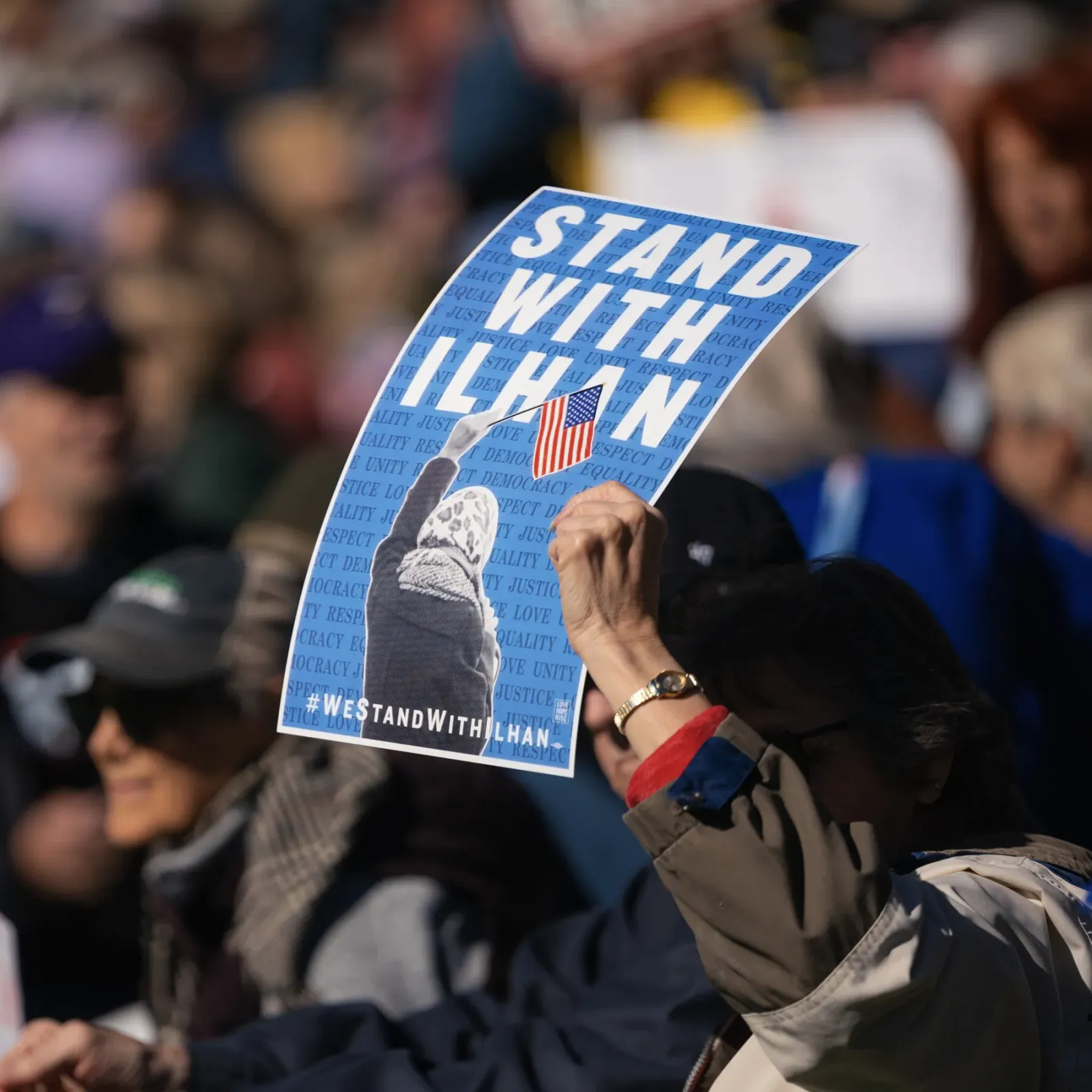
Obama Defends Ilhan Omar After Agents Search Her Home in Trump Inquiry
The former president's intervention raises the stakes in a federal probe into immigration paperwork that has put a prominent progressive lawmaker in the crosshairs.
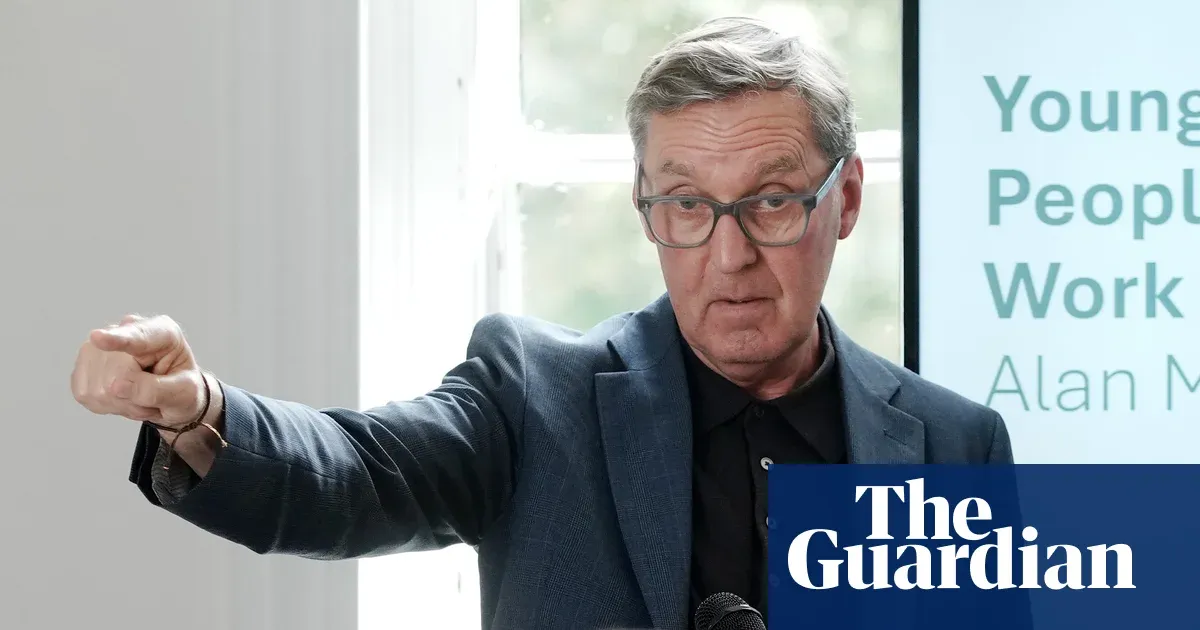
Blair-era minister: cut welfare to fund youth job support
Alan Milburn's call for welfare cuts to fund employment support opens a Labour fight over benefits and the Neet crisis.
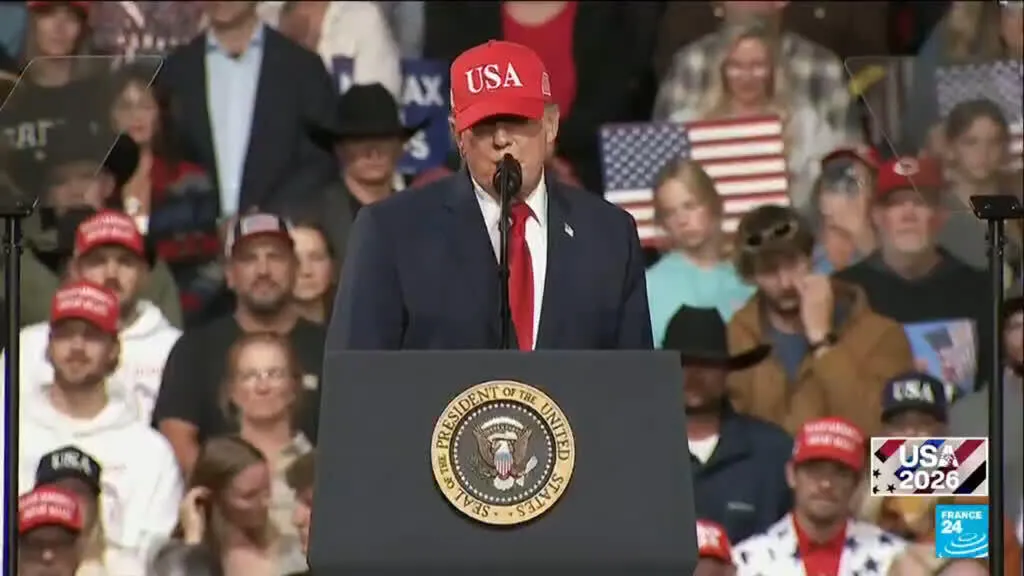
Hot September CPI: energy costs surge, voters feel the squeeze before midterms
The latest inflation print lands as Trump campaigns for GOP control of Congress, putting cost-of-living worries at the center of the midterm fight.