

Assassin's Creed Black Flag Resynced hits 2 million copies sold in 1 day
Steam shows the highest-ever concurrent players for an Assassin's Creed title, turning nostalgia into measurable market power.
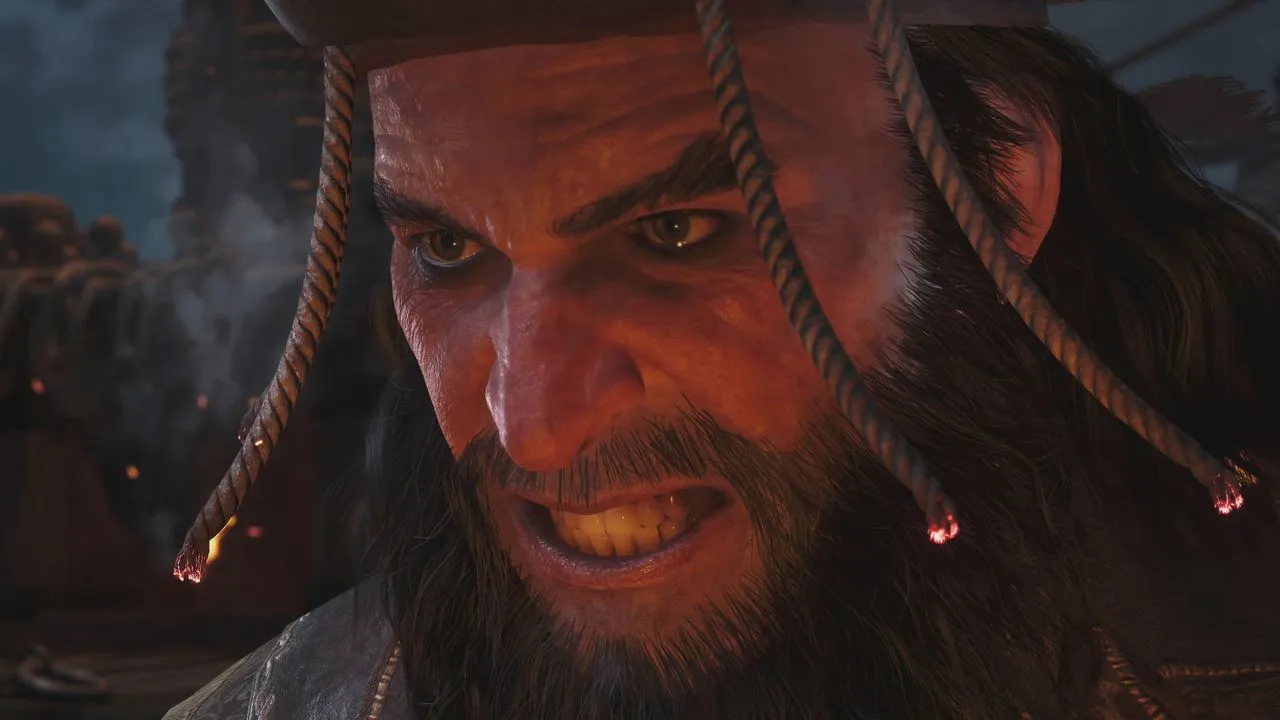
Ubisoft says Assassin's Creed Black Flag Resynced sold more than two million copies in one day, and the game reached the highest concurrent player count ever recorded for an Assassin's Creed title on Steam. For decision-makers, the lesson is clear: remastered hits can outperform newer launches on observable engagement metrics fast.
Ubisoft’s Assassin's Creed Black Flag Resynced did the thing publishers want and rarely get: it converted nostalgia into audited, day-one numbers. Ubisoft posted on X that the game “has already passed 2 million copies sold,” the day after it launched. That is not a casual milestone. It is a real, specific pace, and it changes the conversation from “will this land?” to “how big is the demand, exactly, and how quickly will it show up in the metrics that matter?”
The other half of the proof is on Steam, where Black Flag Resynced reportedly achieved “the highest concurrent player count ever recorded for an Assassin's Creed title.” In other words, the game is not just selling copies. It is pulling players in at the same time, which is the kind of engagement signal that can ripple into visibility, streamer momentum, and longer tail performance. The article frames this as Black Flag Resynced “surpass[ing] Steam player counts of newer games in the series, including Assassin's Creed Shadows.”
Now, the business context here matters because the series has recently been measuring success in different ways, and those measurement choices can blur comparisons. The article calls out that Ubisoft used to characterize Assassin's Creed Shadows success with “one million players” in its first day of release, but for Black Flag Resynced Ubisoft specifically referred to “two million copies sold.” That is an important distinction. Copies sold is about purchase conversion. Players in a storefront ecosystem is about engagement behavior. They can move together, but they do not always do so in the same direction or at the same speed.
There is also a stated uncertainty the article points to from earlier reporting: when Shadows launched, it left “uncertain” how Shadows was truly doing compared to Valhalla, and Ubisoft later said Shadows had put up the “second-highest day one sales revenues in Assassin's Creed franchise history.” That matters because it shows how studios and publishers can emphasize different success metrics depending on what they want to highlight. When you are a board, an investor, or a finance leader, you care that the narrative lines up with the operational reality. Here, the operational reality gets an assist from Steam concurrent player counts, which provide a kind of cross-title scoreboard.
But even the Steam scoreboard is not perfectly apples-to-apples, and the article is upfront about the adjustments. Ubisoft had a years-long “no Steam dalliance,” so Valhalla did not arrive on Steam until a couple years after its debut on the Epic Games Store. Meanwhile, Shadows was “weighed down by coordinated culture war nonsense” over the presence of the Black samurai Yasuke. Also, Shadows costs $10 more than Black Flag Resynced. Those factors can all affect uptake and concurrent behavior even if the underlying brand strength were identical.
So the executives takeaway is not “Steam is the only truth.” It is that within the constraints of distribution timing, pricing, and external noise, Black Flag Resynced is setting the highest concurrent bar for the franchise on Steam. The article notes that the numbers were “ordered by their all-time peak concurrent player count,” and that Black Flag “has always held a special place in the heart of the community.” It also surfaces brand leadership context: Assassin's Creed brand boss Martin Schelling is quoted saying, “Bringing it back with Resynced was a promise to that passion for Edward’s adventures, and to the unique sense of freedom players experienced back then. Seeing two million players set sail on day one, along with the great reviews from critics, is the greatest reward we could have hoped for.”
Translation for decision-makers: the company did not just repackage a product. It appears to have re-activated a specific player promise associated with Edward Kenway’s Black Flag era and the “sense of freedom” players experienced. When critics review positively and the engagement graph spikes on Steam at launch, it creates a feedback loop. Streamers, community posts, and algorithmic storefront featuring can all amplify attention, which can then increase the next wave of concurrent players.
Second-order implication: the success of Resynced puts pressure on peers designing the next release cadence. If remastered or reintroduced versions can outperform newer entries on Steam engagement, boards may demand clearer justifications for costly innovation pivots, especially when external factors like pricing differences or cultural controversy can distort performance. For executives in gaming and adjacent digital markets, the scoreboard here is concrete: two million copies sold in one day, and the highest recorded Steam concurrent player count for an Assassin's Creed title. That combination is harder to dismiss as “fan hype” and easier to underwrite as a scalable product strategy, at least for titles with deep brand attachment.
This story's Key Insights and Take-aways are locked.
Create a free account to unlock Executive Actions for one credit.
Register to UnlockAlways free for Executives Club members. Join the Club
More in Business
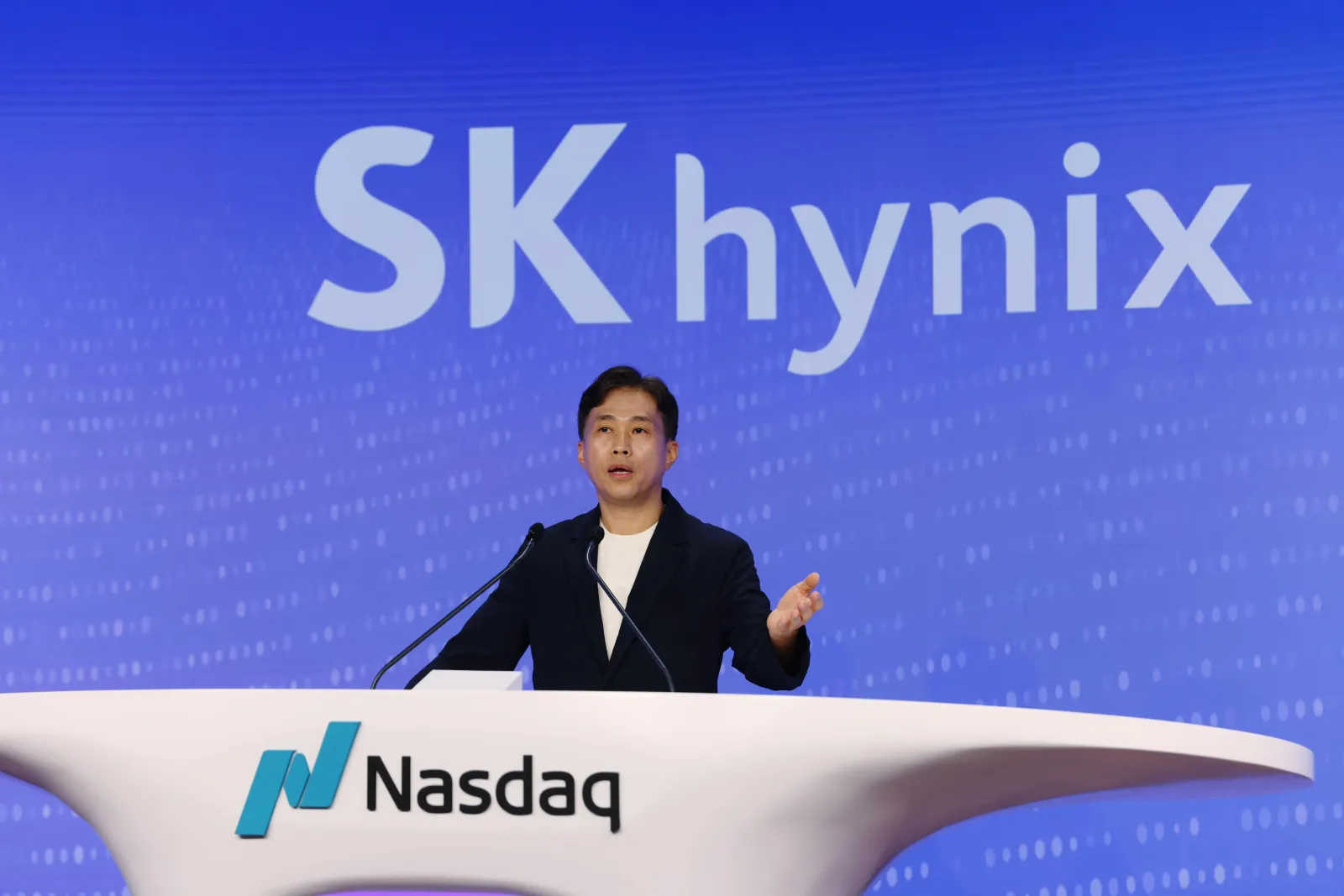
SK Hynix opens at $170, raises $26.5B, and tops foreign IPO records
In Friday's Wall Street debut, SK Hynix turns AI RAM demand into a $26.5B fundraising moment that rewrites comps.

China lands a reusable Long March booster, a first that matches SpaceX and Blue Origin
A barge landing and net-based recovery move China from theory to proof, reshaping the reusability race and satellite ambitions.

AstraZeneca $27B wipeout as Wainua late trial misses cardiovascular target
A failed late-stage heart study triggered a swift market punishment, forcing investors and boards to reset timelines and risk.