
Autocracies are quietly becoming the new mediators, and their deals are changing conflict.
Conflict mediation is being reshaped by autocracies. The next deals may look different, with consequences decision-makers should expect.

Autocracies are increasingly taking over conflict mediation, and the settlements they broker appear different from those shaped by other actors. For decision-makers, the shift changes how negotiations get framed, financed, and enforced.
Autocracies are taking over conflict mediation. That is the core shift the Economist is pointing to, and it matters because mediation is not just diplomacy paperwork. It is where outcomes get locked in, incentives get negotiated, and future violence or stability gets decided.
The immediate takeaway is blunt: the deals being made look different. Mediation has always been political. But when the mediators change, the deal architecture tends to change too. Autocracies do not just bring leverage. They bring a different playbook for bargaining, enforcement, and what “success” even means.
To understand why, you have to look at what mediation is actually for. It is the moment when parties that cannot trust each other agree to a structure for monitoring ceasefires, exchanging prisoners, opening trade or aid corridors, and sequencing political concessions. Traditional mediation efforts often try to balance international legitimacy, verification mechanisms, and multi-party buy-in. Autocracies, by contrast, tend to be able to move quickly when they can apply state-backed leverage and limit their own domestic constraints. That does not automatically mean “better” or “worse” in every case. It does mean the incentives that guide the mediator are likely to look different, and so do the visible features of the settlement.
There is also the practical question of capacity. Conflict mediation is expensive and time-consuming. It requires sustained negotiating attention and the ability to influence outcomes once agreements are signed. Autocracies, as a category, often have centralized decision-making, which can reduce internal veto points. When a mediator can concentrate authority and resources, it can keep pressure on multiple sides and accelerate the path to deal terms. That matters because delays are where agreements unravel. If mediation is now being shaped by actors who can sustain pressure differently, the resulting deals may prioritize speed and control over some forms of external accountability.
Regulatory context is a quiet but important layer here. Modern conflict environments intersect with sanctions regimes, export controls, anti-money-laundering requirements, arms-tracking rules, and aid compliance. Mediation deals often need to thread the needle between humanitarian goals and restrictions imposed by other governments and international frameworks. When an autocracy becomes the mediator, it can tilt the deal toward pathways that fit its own regulatory and economic incentives, and away from those that are harder to execute under broad multilateral scrutiny. In practical terms, decision-makers should be watching not only for the headlines about ceasefires, but for the operational details that determine whether commitments can be financed, implemented, and verified.
Now zoom out to the second-order implications. If autocracies are increasingly the default mediators, other stakeholders adjust their behavior. Companies with exposure to frontier markets, logistics and energy corridors, defense supply chains, or sanctions-sensitive trade may find that the “rules of the road” in post-conflict transitions are changing. Investors may face a different risk profile when enforcement depends more on the mediator's leverage than on internationally standardized verification. Boards overseeing risk controls will have to think about how mediation outcomes affect regulatory durability: do sanctions conditions ease? do compliance expectations shift? does a new ruling arrangement change counterparties? These are not theoretical questions. They show up in due diligence, insurance pricing, and whether contracts are actually deliverable once violence stops.
There is also a signaling effect. Mediation is not neutral. It broadcasts which states are willing and able to broker solutions and what kinds of outcomes those states will support. If autocracies are making deals that look different, it can change how armed groups and governments strategize before talks even begin. Parties may calculate that certain concessions, compromises, or enforcement mechanisms are more likely depending on the mediator's identity.
For decision-makers in the orbit of these negotiations, the strategic stakes are clear. Mediation is moving toward autocratic leverage, and the deals they broker are changing form. That means organizations, governments, and investors who track conflict risk should update their assumptions about enforcement, legitimacy, compliance pathways, and implementation timelines. The headline sounds diplomatic. The consequences are operational.
This story's Key Insights and Take-aways are locked.
Create a free account to unlock Executive Actions for one credit.
Register to UnlockAlways free for Executives Club members. Join the Club
More in Politics
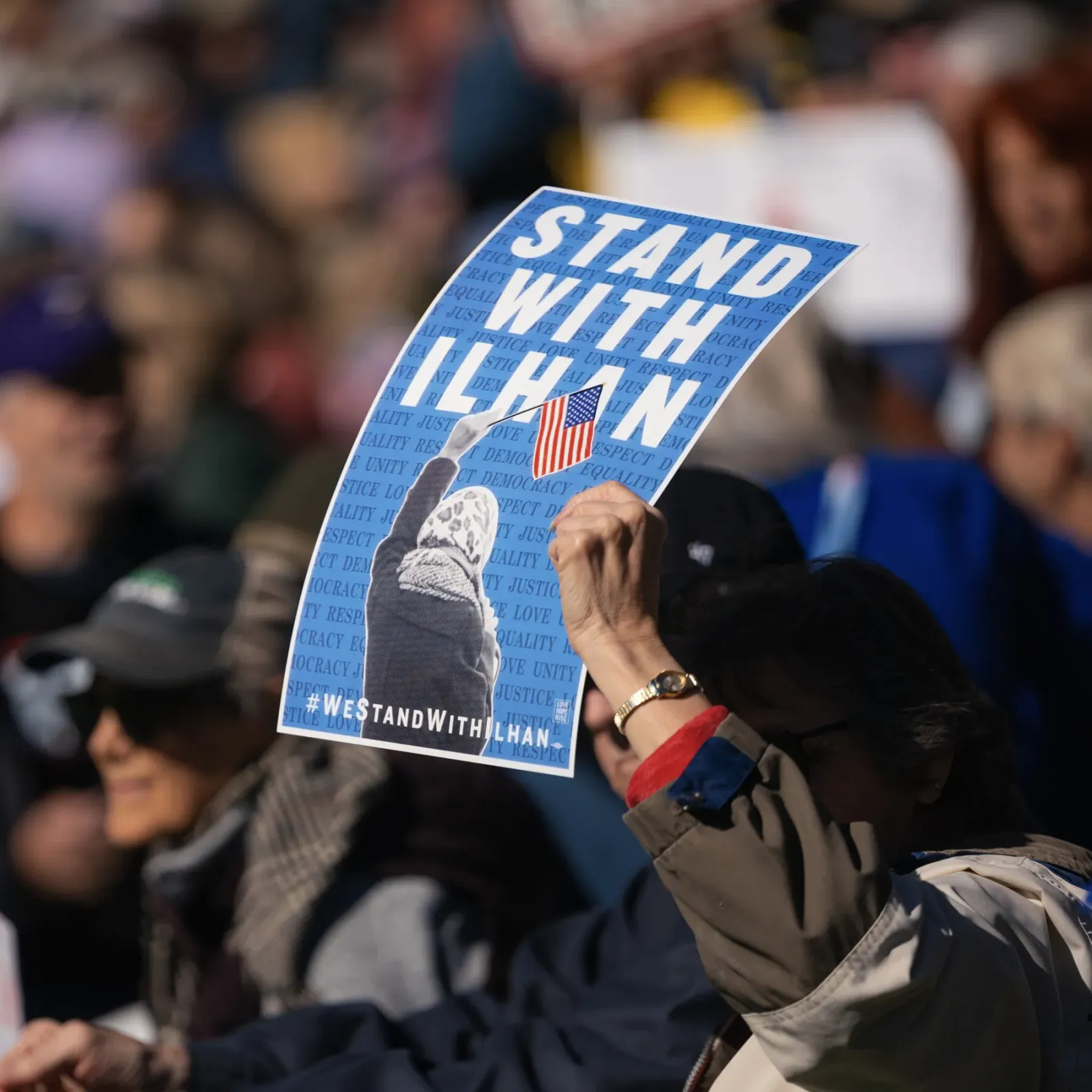
Obama Defends Ilhan Omar After Agents Search Her Home in Trump Inquiry
The former president's intervention raises the stakes in a federal probe into immigration paperwork that has put a prominent progressive lawmaker in the crosshairs.

Blair-era minister: cut welfare to fund youth job support
Alan Milburn's call for welfare cuts to fund employment support opens a Labour fight over benefits and the Neet crisis.
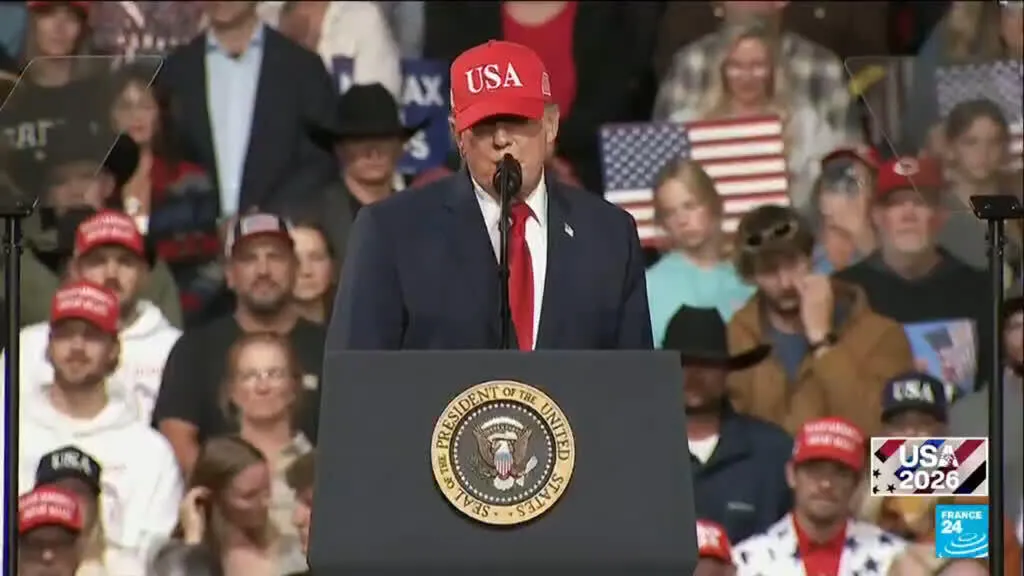
Hot September CPI: energy costs surge, voters feel the squeeze before midterms
The latest inflation print lands as Trump campaigns for GOP control of Congress, putting cost-of-living worries at the center of the midterm fight.