

Back Market saw MacBook sales jump 62% after Apple’s price hikes
Refurb sellers are reporting sell-through in hours as new-device costs climb, with used tech becoming the default value play.
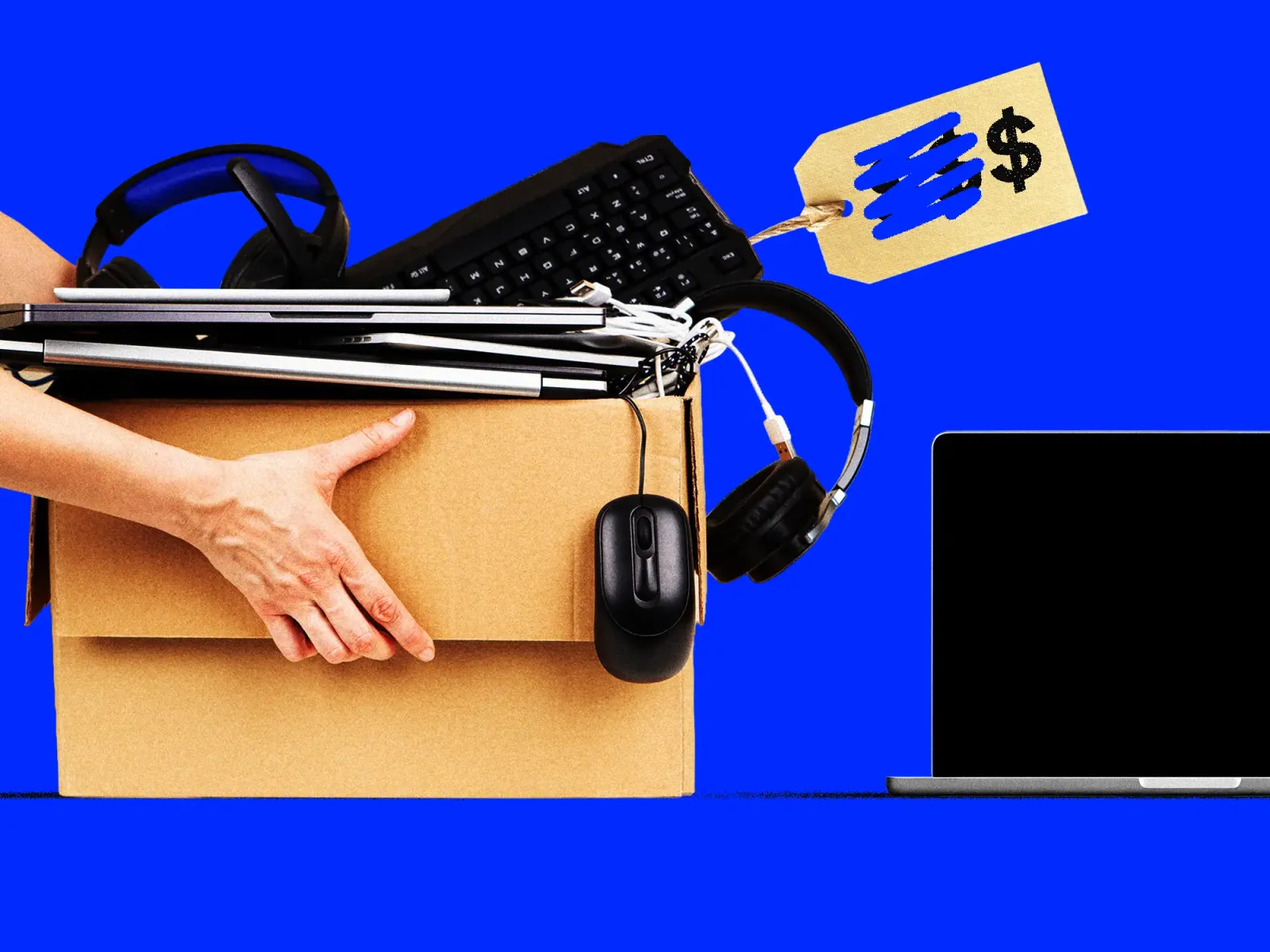
Back Market’s U.S. general manager Lauren Benton says MacBook sales on the refurbished platform jumped 62% the week after Apple announced higher prices. For decision-makers, this shows how AI-driven supply cost pressure is reshaping demand, pricing power, and product upgrade behavior across the entire tech stack.
Apple announced it would raise prices on some Macs and iPads by 20% and 25%, respectively, including MacBook Pros jumping by $300. The same dynamic is now showing up in the resale market with hard numbers: Back Market reported MacBook sales jumped by 62% compared to the previous week the day after Apple’s announcement, Benton says.
That 62% spike is the signal executives should care about. It reportedly came with purchases “overindexed on new customers,” meaning the price hike was not just moving demand around among existing bargain hunters. It pulled in fresh buyers who, for the first time in a while, seem to be treating used as a mainstream option instead of a compromise.
What changed is the incentive structure. Angie Cardona-Nelson, who has been recycling tech waste and selling refurbished laptops, smartphones, and accessories for nearly two decades, describes the shift in simple terms. When she lists laptops on eBay, they used to sit for a few weeks. In recent weeks, they are selling in just hours at her full asking price. Her explanation is straightforward: “Because new tech is becoming more expensive, now consumers are just looking for value.” Shoppers who used to worry more about scratches and cosmetic issues are now prioritizing affordability and functionality.
The price pressure isn’t hypothetical. Apple CEO Tim Cook warned that a shortage of memory chips amid the feverish AI buildout push would make higher costs “unavoidable.” The resulting sticker shock is showing up across major brands and categories, not only Apple. Dell and Microsoft are dealing with the same problem; Microsoft’s Surface PCs now cost as much as $500 more than they did two years ago, and Xbox prices are expected to go up by about $150 later this summer. When multiple platforms raise prices at once, the “is this worth it?” question becomes less personal preference and more budget math.
Back Market’s Benton frames the effect like an unintended marketing campaign. “When Apple announces,” she says, “we immediately see the impact.” She adds that Back Market has seen sales leap when prices for new devices rise in the past, including a surge when President Donald Trump announced new tariffs last year. But Benton says nothing has matched the current magnitude. The reason may be structural: the AI buildout is not just a product cycle upgrade, it is a cost cycle. And as costs rise, consumers increasingly ask a harsher question: do I need the newest features, or can I get the same practical outcome for less?
This is also changing who participates in tech resale. Phones long dominated the resale marketplace, but PayMore, which buys, trades, and sells secondhand electronics in brick-and-mortar stores, reports a different shift. Its president Erik Helgesen says demand for computers and computer parts has jumped by 30% in the past three-to-six months. He connects it to consumer behavior: shoppers are researching specific laptop capabilities, then finding secondhand options that match what they actually need.
It is not all about school-year timing either. Back-to-school shopping could be contributing to the summer uptick, but Benton says the spike reflects a broader increase in customers willing to consider a secondhand device. Her logic tracks the broader “value under pressure” trend: when people start thinking, “What do I really need?” they often conclude, “Do I really need these features? No.” And the pitch increasingly includes access to “all the AI up in the web,” suggesting some buyers are choosing capability and workflow over the latest device hardware.
Beyond refurb platforms and retail counters, the demand shift is also happening because the upgrade story feels less compelling. Marketing intelligence firm International Data Corporation forecast used smartphone shipments would grow 3.2% year-over-year in 2025, while new smartphones would grow only 1% between 2025 and 2026. Counterpoint Research data shows pre-owned smartphone sales grew 4% in 2024, 3% in 2025, and preliminary numbers for the first half of 2026 show a 13% spike, while new smartphone shipments are forecast to drop by 12% this year. Counterpoint says these jumps are driven by rising prices, but also by “shrinkflation” where device capabilities look too similar to older ones for many customers to justify a true upgrade.
Tech anxiety and culture are reinforcing the economic drivers. About a quarter of Americans use AI chatbots daily, according to a Pew Research Center survey, while half say they do not use them at all. The survey also found people were more likely to say AI will have a negative impact on society and their personal lives over the next 20 years, with Gen Z and Millennials more negative than people 50 and older. Back Market has leaned into the mood with billboards and subway car ads encouraging people to “downgrade now,” betting that buyers want devices that cost less and do enough even without the latest features.
Finally, there is a nostalgia loop that executives often underestimate because it does not look like “strategy.” Luddite nostalgia appears to be rising. Searches for iPods on eBay were up 20% year-over-year in 2025, with iPod Nanos released in 2007 seeing a 60% jump in price between 2023 and 2025. iPod shuffles for sale increased by nearly 30%, and people searched more for Walkmans. Anti-Big Tech organizers held an eight day, phone-free festival in New York City last week, calling it the “Summer of Ludd,” encouraging people to rethink their relationship with tech. Whether customers want AI access via the web or just a simpler device experience, the broader theme is clear: “what’s old is new-enough again,” and the full effect of the price hikes may show up over the coming months.
For boards and senior management teams at device makers, OEMs, and platform companies, this matters because it changes the upgrade ladder. When used becomes the default value path, brand pricing power faces a new ceiling, marketing may need to compete against resale price anchors, and forecasting must account for demand that migrates instead of disappearing. If Apple’s price increases can trigger a 62% jump in refurbished MacBook demand almost immediately, executives should treat the resale market as a real channel for customer acquisition, not a side market for bargain shoppers.
This story's Key Insights and Take-aways are locked.
Create a free account to unlock Executive Actions for one credit.
Register to UnlockAlways free for Executives Club members. Join the Club
More in Business

AstraZeneca $27B wipeout as Wainua late trial misses cardiovascular target
A failed late-stage heart study triggered a swift market punishment, forcing investors and boards to reset timelines and risk.
Comcast shares jump 25% as it plans to split NBCUniversal and Sky
The tax-free spin-off could reshape focus, funding, and competition across media and tech for years.

Bungie cuts most Destiny 2 staff as Sony says Marathon still matters
Herman Hulst confirms layoffs affecting most Destiny and some Marathon teams after Bungie admits Destiny fell short.