

BandLab buys Aiode, snapping AI music finishing tools into its creator suite
The BandLab Technologies acquisition brings AI-powered, stem-by-stem song completion trained on licensed material.

BandLab Technologies acquired AI-powered digital music studio Aiode, adding a new audio-to-audio workflow to its suite that already includes BandLab, Cakewalk, ReverbNation, and Airbit. For decision-makers, it extends BandLab's pitch to DIY creators while placing more pressure on rivals in the fast-moving AI music acquisition cycle.
BandLab Technologies just acquired Aiode, an AI-powered digital music studio built to help creators finish songs by uploading a half-finished track and letting “virtual musicians” complete it stem-by-stem. Aiode also lets musicians regenerate specific portions of a song, so an idea can pivot without rewriting everything from scratch. In other words, the deal is less about “AI generates music from nothing” and more about AI acting like a collaborative production layer inside an actual workflow.
The acquisition matters because Aiode is explicit about how it trained: its models were trained entirely on licensed pre-existing music and audio created by professional musicians in-house, and Aiode says its licensed training data is traceable to its source. Aiode also keeps its model stack proprietary. That combination, plus the fact that the product was developed alongside session musicians and producers, is a key selling point for BandLab, which is already positioned as a platform for do-it-yourself music creators.
Aiode’s technical pitch is straightforward but consequential. Using audio-to-audio models, the user can start with an unfinished track they have already made, then have Aiode’s AI-powered virtual musicians help “finish out the song idea stem-by-stem.” The stem workflow is where the time savings and creative control live. Instead of being forced into one-shot generation, creators can treat the AI as an assist for specific elements like drums, vocals, or other components, and they can regenerate particular sections to explore new directions.
This “iterate like a producer” approach becomes a business lever once you zoom out to the broader ecosystem BandLab is building. BandLab Technologies, based in Singapore and a division of Caldecott Music Group, already runs a portfolio aimed at different parts of the music creation journey. The source lists BandLab, a social music creation platform; Cakewalk, its suite of desktop music tools; ReverbNation; and Airbit. Adding Aiode broadens the company’s ability to offer an end-to-end path from idea to recorded track, with AI layered into the making process rather than bolted on as a separate product.
The deal also lands in a market that has been actively consolidating around AI music tools over the last year. The source points to a string of acquisitions: Suno acquired WavTool in 2025, Epidemic Sound purchased Song Sleuth, Beatstars acquired Lemonaide, Splice bought Kits AI, and in February, Google acquired AI music startup ProducerAI, which is now available as part of Google Labs’ offerings, including its music model Lyria 3. This is not just experimentation anymore. It is portfolio building, where incumbents and well-funded entrants are buying capability, user workflows, and training data infrastructure to move faster than the build-from-scratch teams.
Regulatory and compliance pressure is the silent driver behind these acquisitions, even if regulators are not named in the source. When AI systems touch audio, copyright, and attribution, the practical question for buyers and users is always the same: what exactly was used, and can you trace it? Aiode’s emphasis on traceable licensed training data and on training entirely on licensed pre-existing music and in-house professional-musician audio is a direct response to that question. For boards and exec teams, traceability is not only about avoiding trouble; it can also become a product feature when enterprise partners, platforms, and creators need confidence around rights.
Aiode’s leadership also frames the merger as alignment of ethos and workflow priorities. Idan Dobrecki, CEO and co-founder of Aiode, says Aiode, founded in 2022, was built with professional musicians and that the technology “respects their artistry” and keeps them involved in how musical identity is represented. He adds that BandLab Technologies gives Aiode the opportunity to bring that approach to more creators. Blue Dobrecky, COO and co-founder of Aiode, says joining a group that understands accessible creation and professional production is a “rare fit,” and that BandLab’s breadth of experience provides a broader foundation as music-making evolves.
For decision-makers in adjacent AI music companies, this is the strategic stake: the competitive edge is shifting from isolated model demos to integrated creator experiences and defensible training practices. If BandLab can pull Aiode into its existing suite, it can offer creators a smoother path to output, with AI that fits production workflows rather than interrupting them. Meanwhile, the acquisition wave means rivals need to consider whether their next move is another standalone tool or a deeper consolidation into platforms where creators already spend time. In a market moving this quickly, the winners are likely the teams that combine workflow adoption, rights-aware training, and distribution muscle, not just the best-sounding model.
This story's Key Insights and Take-aways are locked.
Create a free account to unlock Executive Actions for one credit.
Register to UnlockAlways free for Executives Club members. Join the Club
More in Business

Epic and Google drop settlement bid, forcing rival Android app stores by July 22
Google told the court it is ready to carry third-party app stores starting Wednesday, July 22.
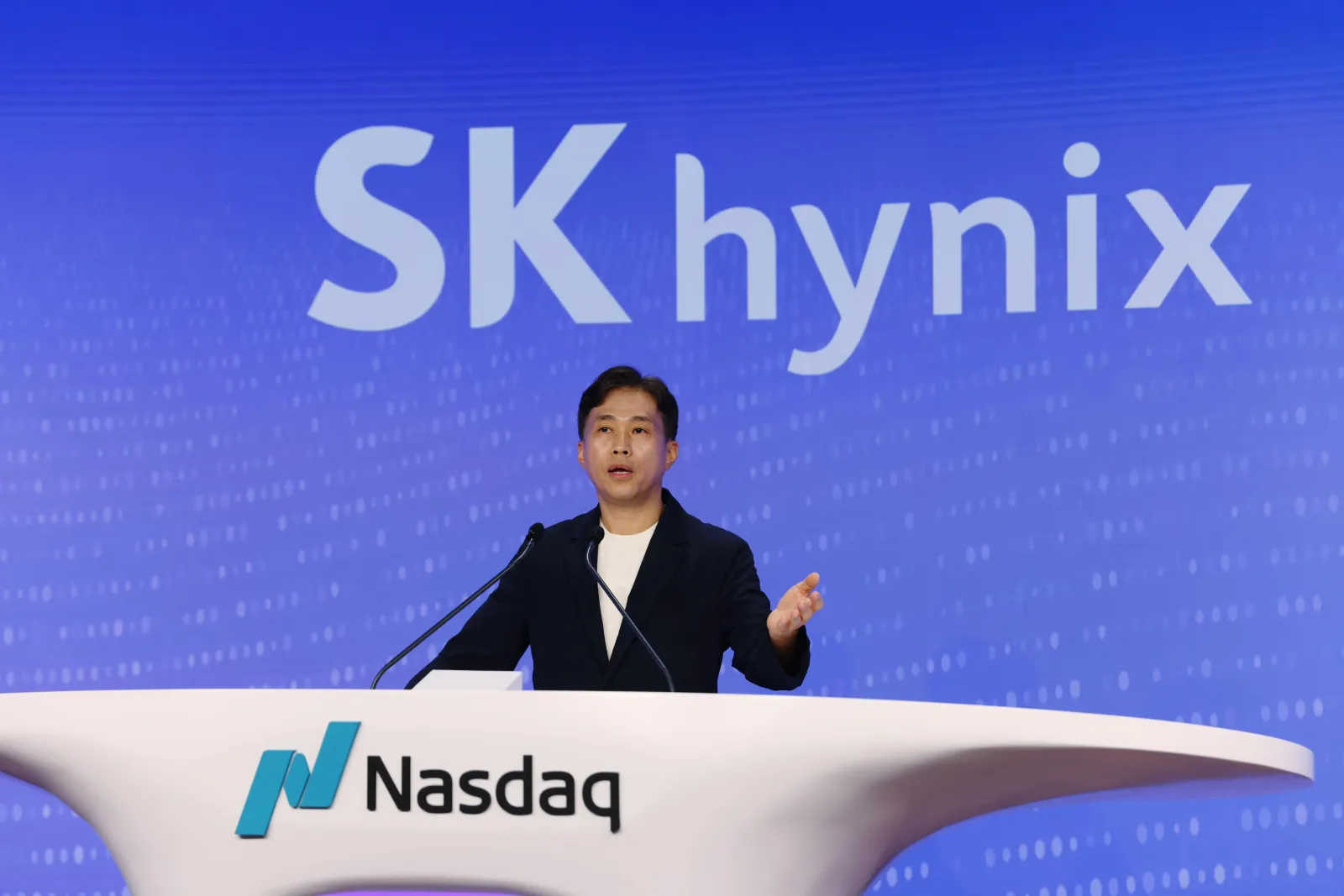
SK Hynix opens at $170, raises $26.5B, and tops foreign IPO records
In Friday's Wall Street debut, SK Hynix turns AI RAM demand into a $26.5B fundraising moment that rewrites comps.

China lands a reusable Long March booster, a first that matches SpaceX and Blue Origin
A barge landing and net-based recovery move China from theory to proof, reshaping the reusability race and satellite ambitions.