
Beijing freezes battery storage plant approvals since May amid overcapacity fears
A quiet two-month freeze on new energy-storage battery capacity is rewiring the economics of a boom market - here's the early read for operators and investors.
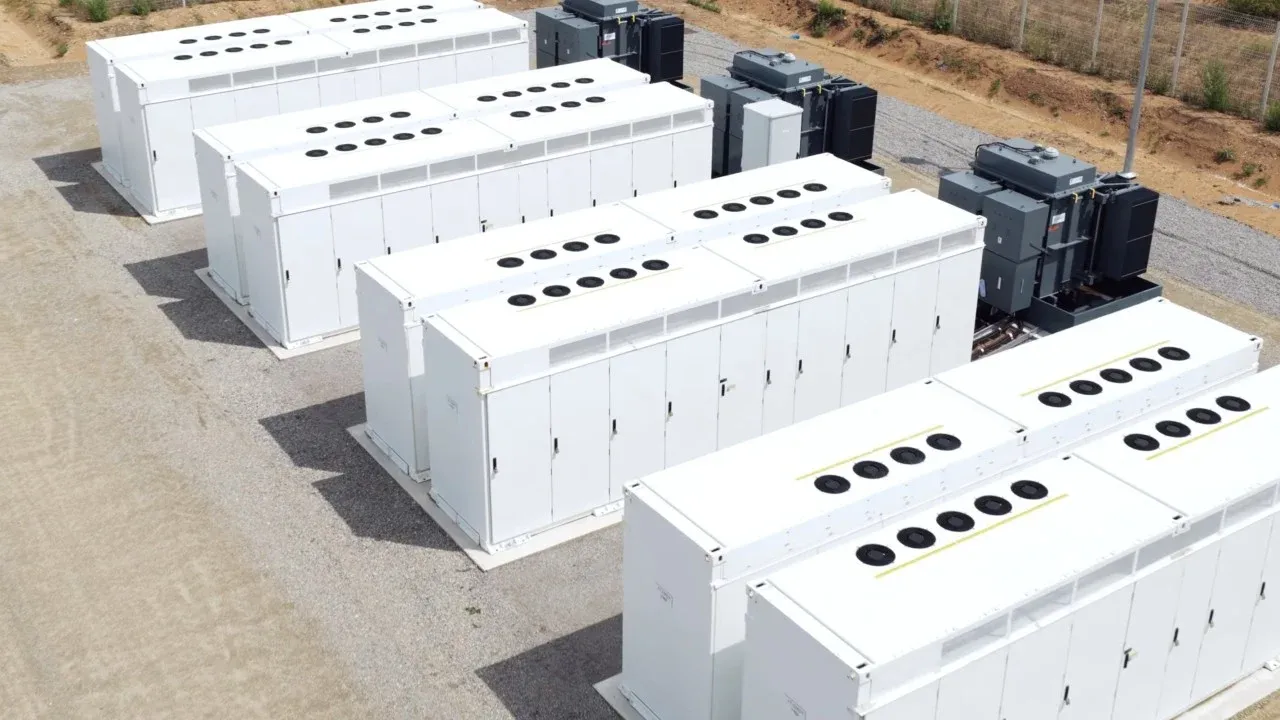
Beijing has frozen approvals for new energy-storage battery production facilities since May, with the MIIT stepping in to curb overcapacity and price wars. The freeze forces battery makers and project developers to pause expansion plans, potentially tightening supply on a global market still hungry for storage.
The pause started in May, but the market is just beginning to feel it: Beijing has approved no new production plants for energy-storage batteries for more than two months, according to industry officials. The Ministry of Industry and Information Technology (MIIT), along with other key regulators, moved to halt a construction spree that risked severe overcapacity - even as demand for renewable-energy storage has climbed around the world. In a sector used to flying fast, that quiet freeze is now the loudest signal in the room: China's most important industrial regulator believes the boom has gone too far, too fast, and it is stepping on the brakes.
For decision-makers in batteries, energy, and heavy industry, the freeze marks a hard reset on the math that guided the last two years. The logic of the buildout was simple: solar and wind projects are proliferating, grid operators need flexible storage, and lithium-iron-phosphate and other battery chemistries were the breakout winner. That logic is not wrong - demand is still rising. But the supply response was overwhelming. Factories across China's battery heartland announced new gigawatt-scale plants at a pace that far exceeded even the most bullish projections for global storage deployment. When too many plants are all chasing the same order book, prices crater and dubious capacity is replaced by vicious, red-ink competition. Beijing's freeze is an update to thwart that race to the bottom while it is still surrounded by project financing, not superior nodes.
The freeze is not a moratorium on existing plans - those already approved are still moving forward - but it forces every company without a node to put capex decisions on hold. New entrants that had hoped to ride the storage wave by pulling together bank loans and site approvals will hit a wall. This is a clear regulatory signal that the era of unlimited expansion is over, at least until the current oversupply absorbs. Existing players with completed or in-build plants have a windows: they can bank on pricing stabilizing faster, because the flood of new supply is now capped. They can also expect the MIIT to do what it has done in other industries - consolidate, force out weaker players, and nudge the rest toward higher grades of technology.
For decision-makers across the energy chain, the strategic read is subtle but urgent. Buffer buyers and EPC [engineering, procurement, and construction] firms that have been benefiting from falling battery prices may see the noose tighten. If new capacity can't come online for the next several quarters, whatever oversupply exists now gets eaten away, and prices rise for new orders - especially for high-volume grid-scale storage projects that are crowded. The freeze also dampens global supply growth, which is a problem for the U.S. and European markets that have come to rely on Chinese battery exports to meet their own storage deployment targets.
There is a broader pattern worth remembering: Beijing rarely steps in this aggressively unless a market is structurally breaking. The last time regulators froze capacity across an entire category was with industries like steel and aluminum, where the result was prolonged consolidation and a shift of pricing power to the top players. Battery storage is now on the same path. The potential second-order effect is that Chinese battery makers redirect their enormous capital expenditure budgets away from new plants and toward R&D for next-generation storage - sodium - ion, solid state, and ultracapacitor hybrids - rather than just more gigawatt-hours of the same chemistry.
The freeze also sharpens the question of what "demand" actually means when we were only few months ago reading headlines about record solar deployments. It is a reminder that renewable baseload depends on storage, and that battery manufacturing is now industrial policy, not just corporate pitch. If Beijing is willing to withhold approvals even amid global demand rise, that tells us they are willing to accept some short-term price weakness as the price of long-term industrial health. Companies that act as if this freeze is temporary and can be outdrawn will most likely be the ones caught in a capacity fetch when the market inevitably corrects.
Ultimately, the decisive takeaway is not that China stopped building factories. It is that storage became a strategic area where a government is now an active organ allocator. For operators, the smart move is not to fight the freeze but to position within it: solidifying supply contracts, closing in on technology upgrades between drying and balancing, and - above all - understanding that the surplus that drove costs down has run up against a kalender. From here, the battery kings are no longer who build the most, but who manufacture the most efficiently within the increments the regulators allow.
This story's Key Insights and Take-aways are locked.
Create a free account to unlock Executive Actions for one credit.
Register to UnlockAlways free for Executives Club members. Join the Club
More in Business
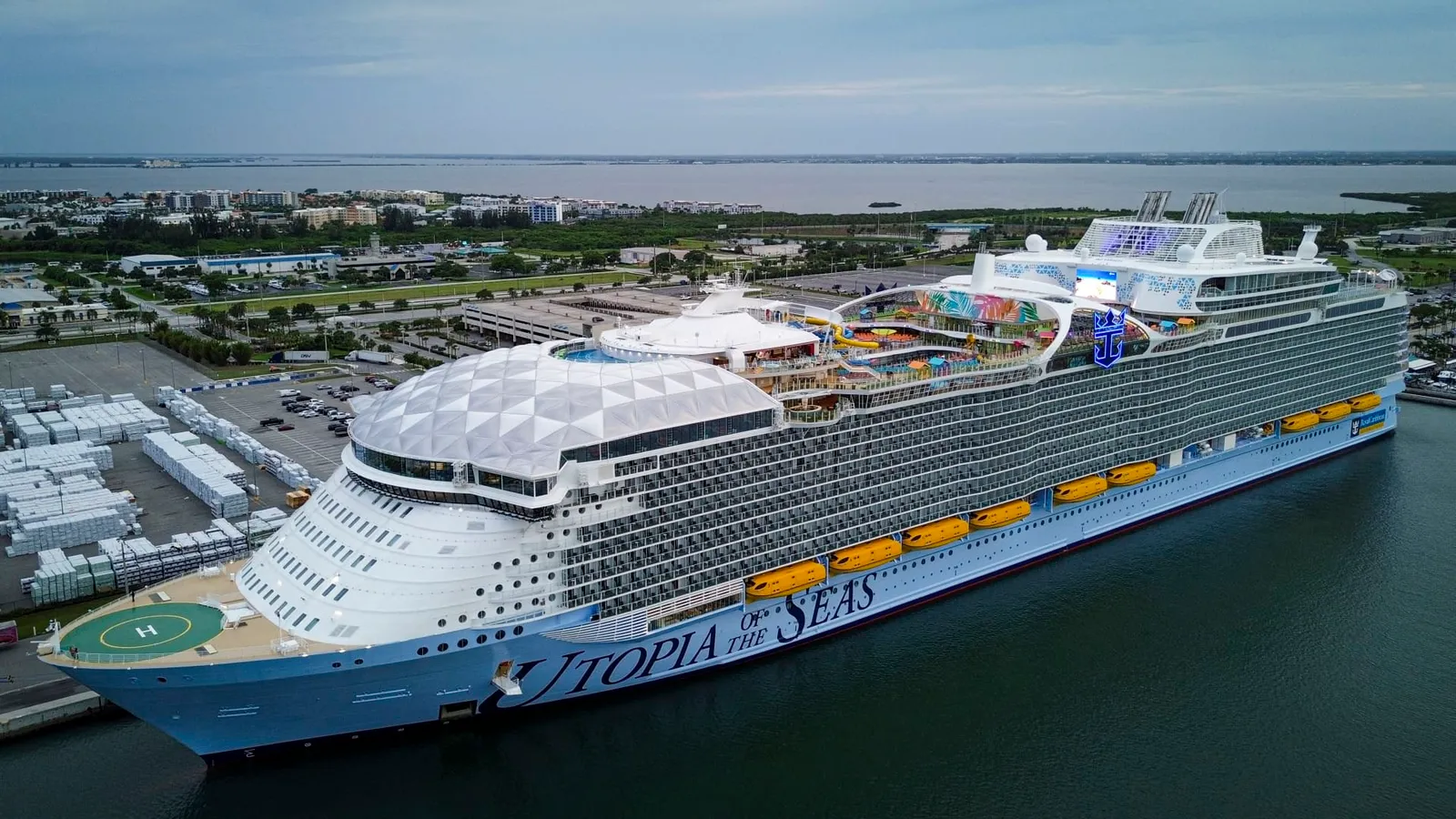
Royal Caribbean just spent $3B to own half of Sandals
The cruise giant is buying a 50% stake in the all-inclusive resort chain for $3 billion, a bet that land-based vacations are the next growth engine.

Paramount's Ellison: Merger Clearance Done, WBD Deal by Oct 1
David Ellison says the Paramount-WBD merger has full clearance after settling with state AGs, clearing the path for an October 1 close.
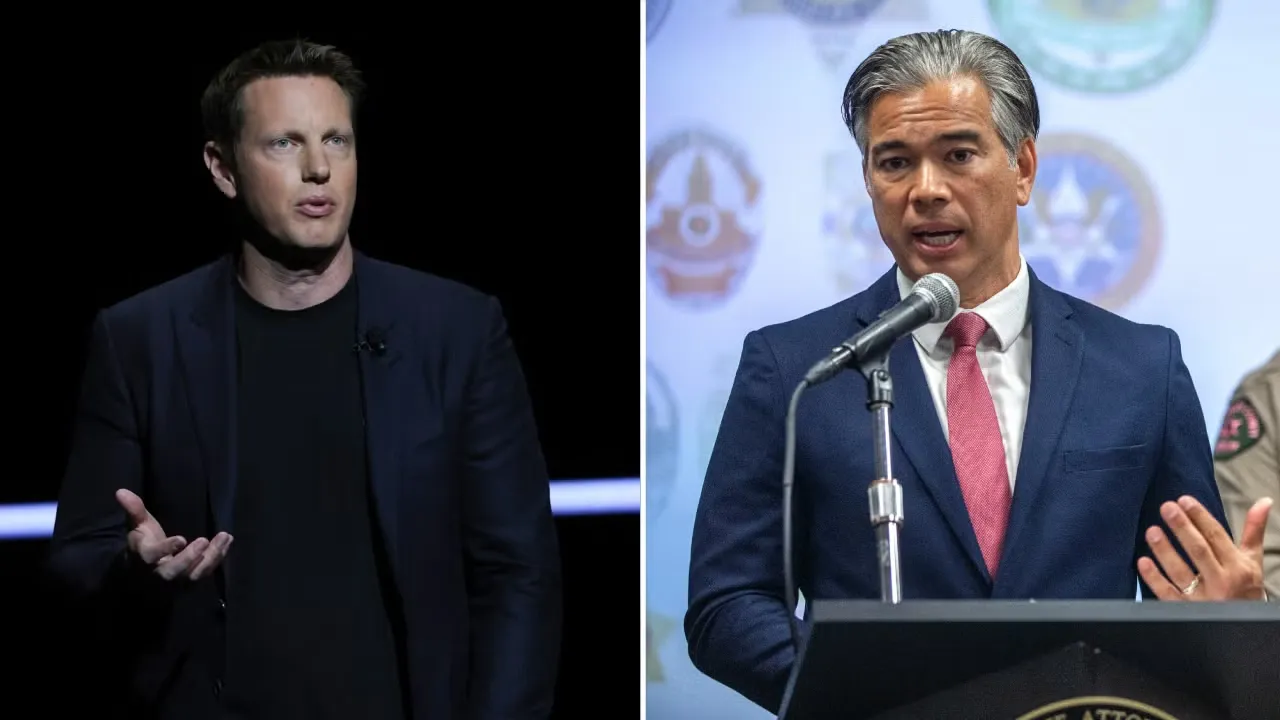
Paramount settles with 12 states, $110B Warner merger clears final hurdle
David Ellison's studio avoids a March trial and a $7M-a-day ticking fee by settling with state AGs over local job losses.