
Bernie Moreno demands Max Miller resign, calling him needing “serious psychological help”
The Ohio senator ties a fellow Republican and former son-in-law, Rep. Max Miller, to abuse allegations and urges immediate action.

Sen. Bernie Moreno (R-Ohio) called on Rep. Max Miller, his fellow Ohio Republican and former son-in-law, to resign amid abuse allegations involving Moreno's daughter and granddaughter. Moreno also said he believes Miller needs “serious psychological help,” raising character and accountability questions that could reshape GOP dynamics in Ohio.
Sen. Bernie Moreno (R-Ohio) pressed fellow Ohio Republican and former son-in-law, Rep. Max Miller, to resign after abuse allegations involving Moreno's daughter and granddaughter. Moreno added that he thinks Miller needs “serious psychological help,” a blunt line that escalates what is often handled as a slow, procedural controversy into a direct judgment call.
Moreno’s core claim is also the political hinge. He frames the resignation demand through the lens of “basic standards of character required to hold elected office,” essentially asking voters and party leaders a simple question: if those standards are compromised, why keep the seat occupied? In the first moment, that is what makes the story move. It is not just that allegations exist. Moreno is pushing for immediate consequences, and he is doing it publicly, naming Miller and his relationship to him.
To understand why this matters beyond Ohio politics, you have to think like a board, not just a voter. When leaders signal that “standards of character” are non-negotiable, they are effectively setting a governance rule for the organization they operate within. In political terms, the “governance” is the party’s candidate pipeline, the leadership’s tolerance thresholds, and the way party officials decide whether to press for resignation while allegations are still unfolding.
And that governance pressure has second-order implications. If a high-profile lawmaker demands resignation on character grounds, it can force other party members to take a position earlier than they might prefer. Parties often balance reputational risk against legal uncertainty, typically waiting for formal investigations, court developments, or official findings. But Moreno’s statement puts speed on the agenda. It pressures local party leaders to explain why they are not matching the seriousness of the accusation with a matching response.
There is also an incentive structure at play. Miller is not portrayed here as a distant colleague, but as a former son-in-law, which makes the demand feel less like routine politics and more like a family and moral reckoning. That closeness can increase credibility for supporters of Moreno, but it can also increase the likelihood that the dispute becomes a durable narrative within the party. Once allegations are tied to an intimate relationship, neutrality becomes harder. The story gains emotional gravity, and that gravity can influence how quickly party leadership chooses sides or tries to contain the fallout.
Moreno’s comment that Miller needs “serious psychological help” also raises a different kind of question for elected leaders: what kind of concern is being expressed, and what kind of action can actually satisfy it. Resignation is one concrete step. Public calls for therapy or psychological evaluation, however, typically do not map neatly onto formal legislative processes. Still, the use of that phrase signals that Moreno is not just alleging misconduct. He is implying a deeper personal issue that, in his view, undermines suitability to serve.
That distinction matters because it changes what accountability looks like. If the argument were purely about investigation status, the party could say, “We will wait.” But Moreno is arguing from character and fitness now, not after the final ruling. In organizational terms, that is like a director calling for removal based on risk to the enterprise, not just waiting for an audit conclusion. Whether other leaders agree or disagree, they now face a higher bar: they have to decide whether they treat the demand as a reasonable standard-setting move or as an overreach.
For executives and other decision-makers watching from the sidelines, the strategic stakes are real. Political reputations do not operate on the same timeline as legal outcomes. A party can be damaged by perceived complicity or perceived delay. Conversely, if a party moves too aggressively without sufficient evidentiary support, it can be accused of politicizing allegations. The tension is familiar to corporate governance as well: when do you act to protect trust, and when do you wait to avoid being unfair?
In Ohio, the immediate question Moreno is pushing is whether Rep. Max Miller should resign now. In a broader sense, the question is whether the GOP will treat Moreno’s “basic standards of character required to hold elected office” argument as a catalyst for action. If party leadership does not respond, Moreno’s framing can become the default narrative. If leadership does respond, other members will take note of how quickly character concerns translate into concrete consequences. Either way, this is the kind of moment that shapes internal incentives long after the headlines fade.
This story's Key Insights and Take-aways are locked.
Create a free account to unlock Executive Actions for one credit.
Register to UnlockAlways free for Executives Club members. Join the Club
More in Politics
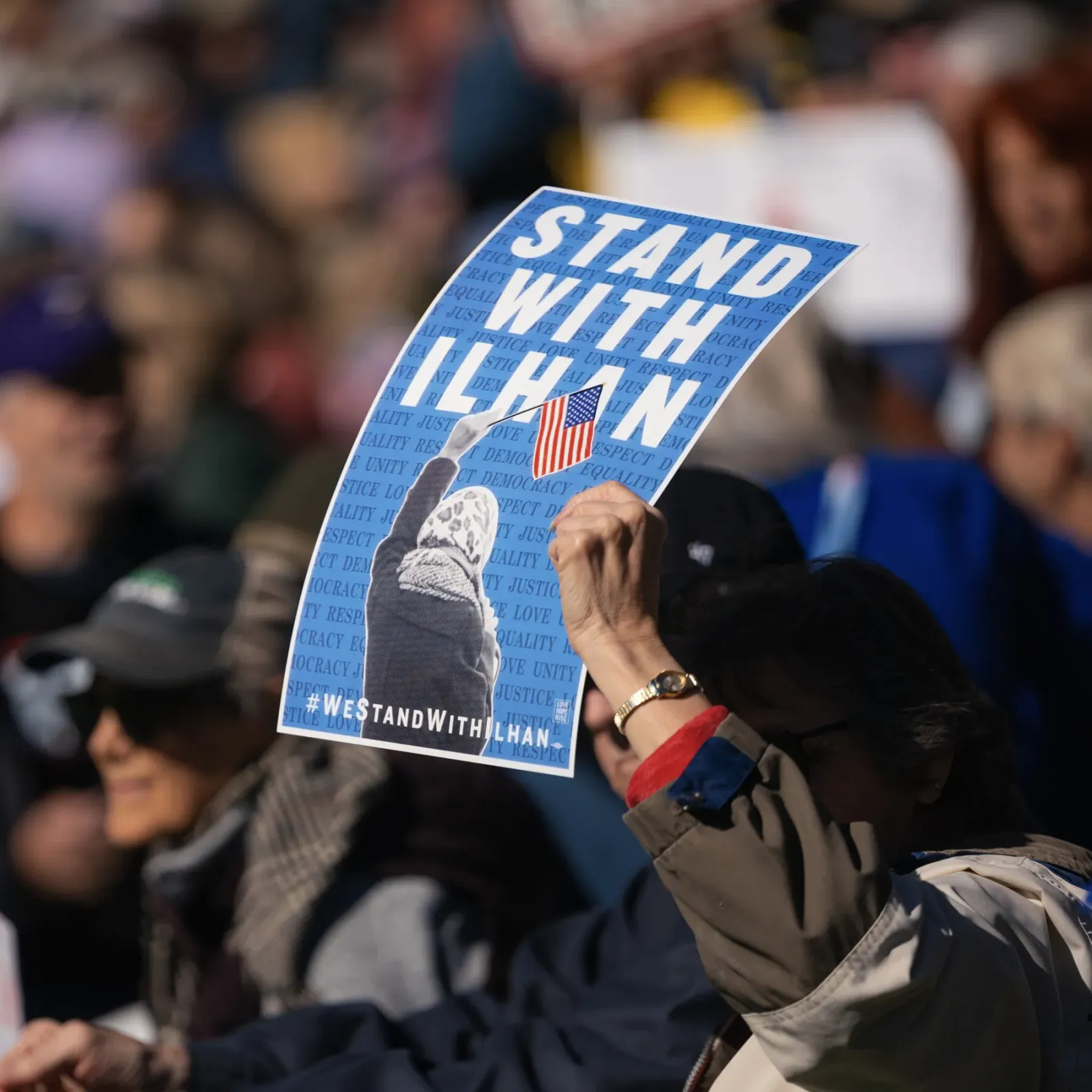
Obama Defends Ilhan Omar After Agents Search Her Home in Trump Inquiry
The former president's intervention raises the stakes in a federal probe into immigration paperwork that has put a prominent progressive lawmaker in the crosshairs.

Blair-era minister: cut welfare to fund youth job support
Alan Milburn's call for welfare cuts to fund employment support opens a Labour fight over benefits and the Neet crisis.

Hot September CPI: energy costs surge, voters feel the squeeze before midterms
The latest inflation print lands as Trump campaigns for GOP control of Congress, putting cost-of-living worries at the center of the midterm fight.