

Bev Craig wins Greater Manchester by-election and succeeds Andy Burnham as mayor
A leadership handover with new mayoral powers at stake, and real-world implications for policy delivery across the region.
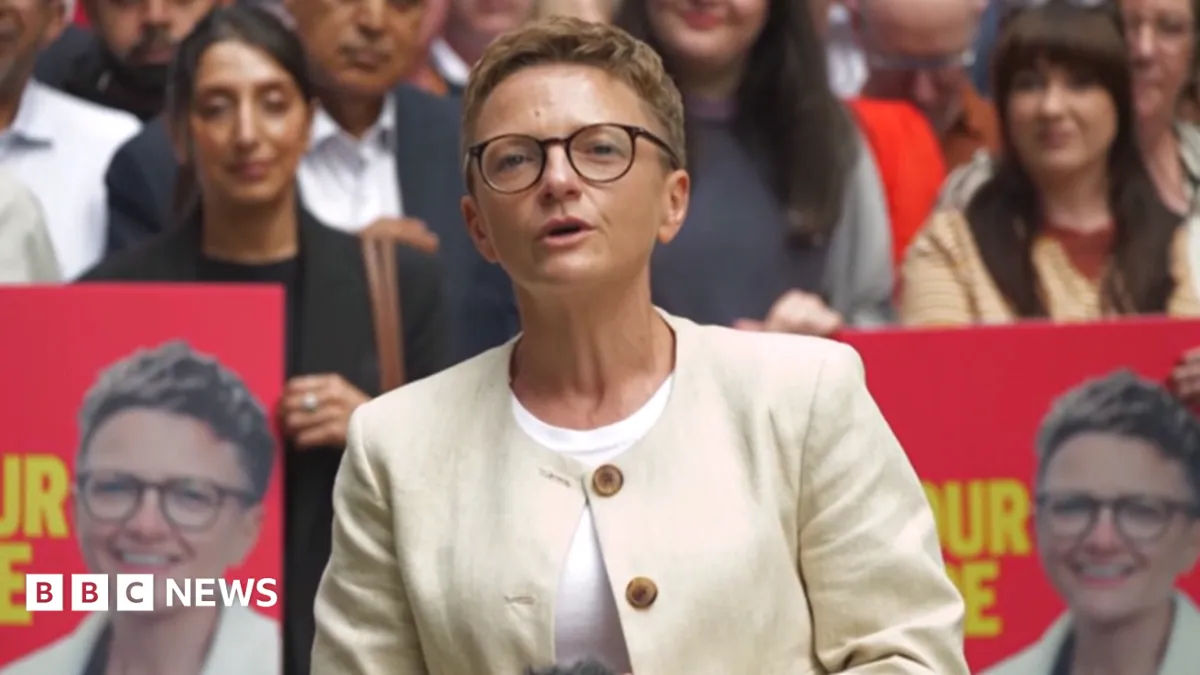
Bev Craig has succeeded Andy Burnham as mayor of Greater Manchester after winning Thursday's by-election. The leadership change matters because it shifts who holds the region's mayoral mandate and control over how new powers translate into day-to-day outcomes.
Bev Craig has won Thursday's by-election and succeeded Andy Burnham as mayor of Greater Manchester. In practical terms, that means the person tasked with using whatever mayoral powers are in play to “change lives” now belongs to Craig, not Burnham.
For decision-makers, the headline is not just about a job swap. It is about timing and control. A mayoral transition determines who sets priorities, who negotiates with councils and government departments, and who ultimately decides what gets funded first, what gets delayed, and what gets called “urgent” when competing demands collide. When a new mayor takes office midstream, the question is always the same: does the incoming leader keep the outgoing agenda on rails, or do they rewrite it before departments and partners can lock in plans?
Even the phrase “new powers” is doing a lot of work here. In UK local government, mayoral authority is typically tied to specific governance and commissioning capabilities, often connected to how transport, housing, and local economic programs get coordinated across multiple councils. When leaders gain or reshape powers, it can change the leverage points for external stakeholders: transport operators, housing providers, local employers, and community organizations that previously had to navigate fragmented responsibilities might find decisions concentrate more clearly in the mayor’s office. That concentration can be good for speed, but it also raises the stakes for alignment, because a narrower decision pipeline means fewer places to “make your case” after the mayor’s mind is made up.
This kind of transition also tends to test the relationships between the mayor and the region’s political ecosystem. Greater Manchester is not a one-office city. It is a combined authority area, where councils, political groups, and civil service teams coordinate across borough boundaries. When Burnham was mayor, his office acted as the hub for cross-region bargaining. With Craig now taking over, there is a near-immediate re-papering of roles: who speaks for the mayor’s office in negotiations, who owns which briefing, and which policy teams get continuity versus review.
From a governance perspective, a by-election win can also create a different kind of mandate. A by-election is narrower than a full mayoral election, but it still acts like a signal about political momentum. That signal can influence how internal teams and external partners decide whether to commit to longer-term programs. If partners believe the new mayor will maintain existing priorities, they may accelerate implementation. If they think the agenda could shift, they often slow down on decisions until they understand which “promised outcomes” the new office will emphasize.
There is a second-order risk for any regional leader inheriting “new powers”: operational reality. Powers on paper do not automatically build capacity. Greater Manchester’s mayoral role depends on delivery mechanisms that may include budgets, staffing, procurement processes, data systems, and the willingness of partner organizations to cooperate. A new mayor like Bev Craig may find that the first months are dominated by administrative translation, not just political messaging. That can mean renegotiating timelines with delivery partners, reprioritizing programs, and making sure the legal and policy frameworks match what the office wants to accomplish.
So what should executives and boards watching this do with that information? Treat mayoral transitions as strategic events, not local trivia. If you work with regional partners, plan for changes in who controls the agenda, who champions your program, and how quickly decisions move once a new team settles. If you fund, contract, or advise on services that intersect with mayoral powers, you should assume there will be a brief period of reassessment before continuity or a new direction becomes clear.
Finally, the broader stake is simple. Greater Manchester’s leadership change alters the authority behind regional “life outcomes,” whether those outcomes show up through transport coordination, economic initiatives, or the way councils align around shared goals. Bev Craig’s succession of Andy Burnham after Thursday's by-election is the turning point. The strategic question now is whether Craig’s office will convert the promise of new powers into concrete delivery fast enough to keep partners aligned and residents feeling the difference.
This story's Key Insights and Take-aways are locked.
Create a free account to unlock Executive Actions for one credit.
Register to UnlockAlways free for Executives Club members. Join the Club
More in Politics
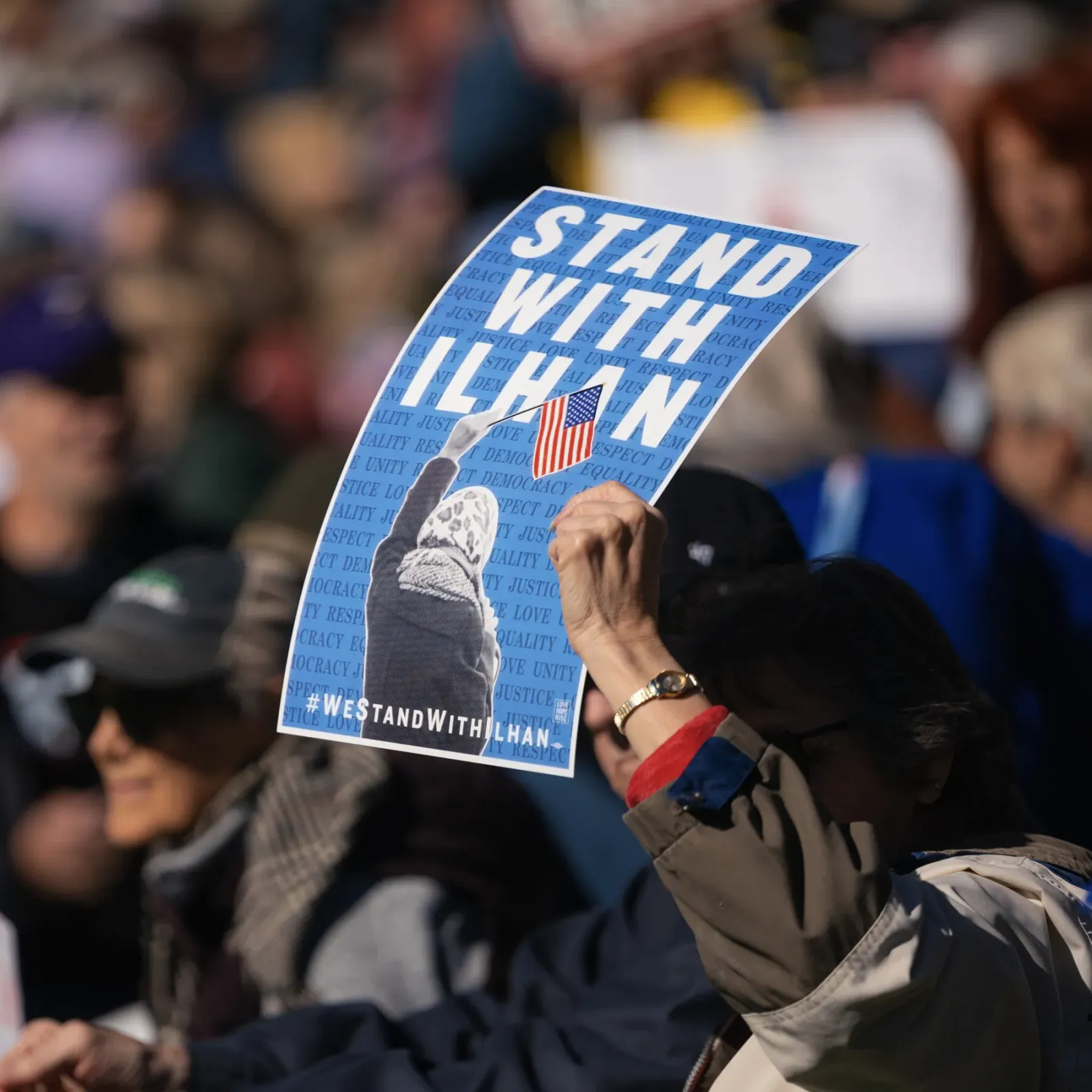
Obama Defends Ilhan Omar After Agents Search Her Home in Trump Inquiry
The former president's intervention raises the stakes in a federal probe into immigration paperwork that has put a prominent progressive lawmaker in the crosshairs.

Blair-era minister: cut welfare to fund youth job support
Alan Milburn's call for welfare cuts to fund employment support opens a Labour fight over benefits and the Neet crisis.
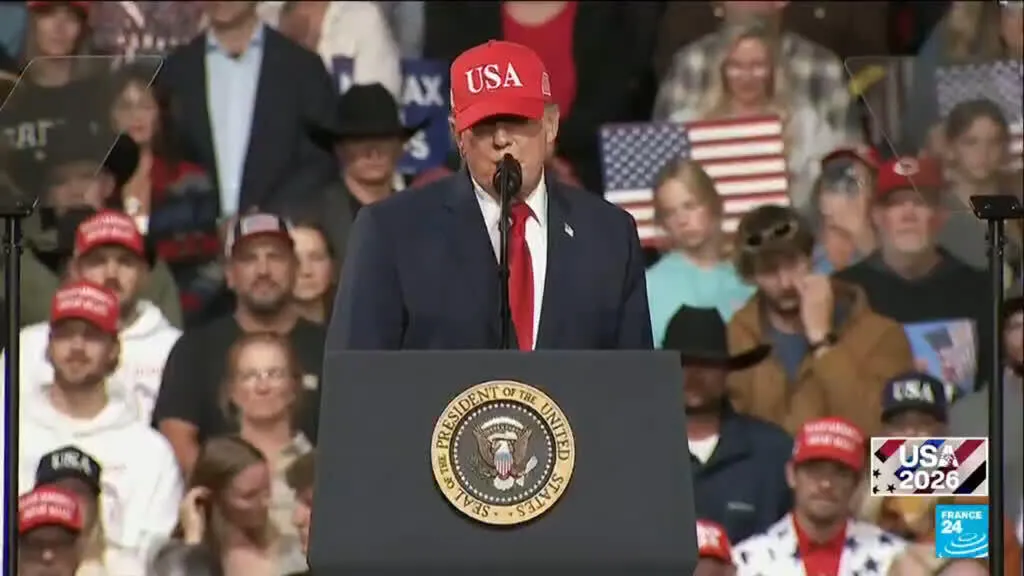
Hot September CPI: energy costs surge, voters feel the squeeze before midterms
The latest inflation print lands as Trump campaigns for GOP control of Congress, putting cost-of-living worries at the center of the midterm fight.