
Bev Craig wins Greater Manchester mayor race, nearly doubling Reform's Sian Astley
Labour’s Bev Craig replaces Andy Burnham after securing almost twice the votes of Reform UK’s Sian Astley.
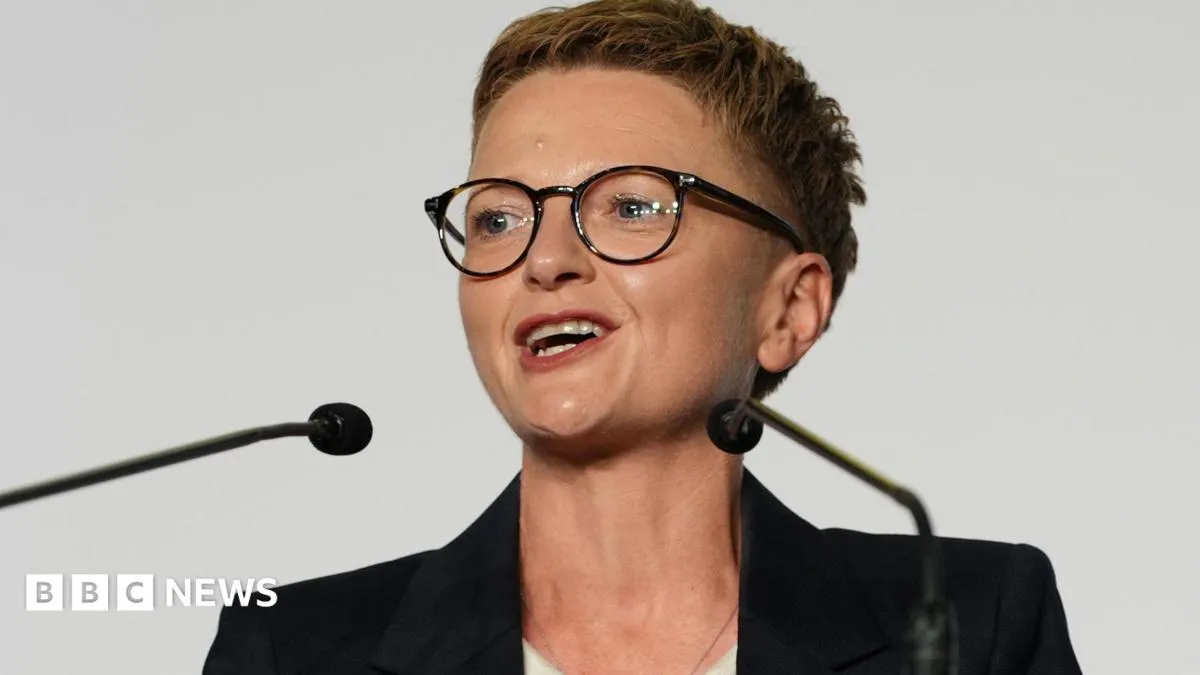
Labour’s Bev Craig has been elected mayor of Greater Manchester, replacing Andy Burnham. She won nearly double the votes secured by Reform UK’s Sian Astley, reshaping the political balance that will set the region’s priorities.
Bev Craig has been elected mayor of Greater Manchester, taking over the role from Andy Burnham. In the vote count, Craig secured nearly double the number of votes won by Reform UK’s Sian Astley, a gap that matters because it signals not just who won, but what kind of mandate the incoming mayor is likely to claim.
The headline takeaway for anyone tracking regional politics and the decision-making pipeline is simple: Craig’s coalition of support is materially larger than Astley’s. That “nearly double” result sets the tone for the next phase of Greater Manchester governance. When a candidate clears that kind of vote distance, it typically gives them more room to negotiate, form working arrangements, and justify policy direction as something broader than a narrow plurality.
What makes this moment worth more attention than a routine leadership swap is the function of the mayoralty itself. The Greater Manchester mayor is not just a symbolic post. The office sits at the intersection of local public services, transport priorities, housing pressures, and the constant tug-of-war between short-term delivery and longer-term investment horizons. In practice, that means mayors operate like political chief executives: they coordinate agendas across councils and partners, set frameworks that other bodies have to respond to, and become the public face of decisions that affect budgets, timelines, and accountability.
Now add the political context. The comparison in the vote totals is between Labour and Reform UK, with Craig on one side and Astley on the other. A nearly two-to-one vote difference suggests Reform’s argument did not consolidate enough mass to seriously challenge Labour’s position in this specific contest. But it also signals that Reform’s presence was strong enough to generate a visible vote share, not a rounding error. That combination, a clear winner but a meaningful challenger, tends to produce second-order pressure even when you lose.
From an incentives standpoint, that means Craig is likely to feel both emboldened and constrained. Emboldened because a larger vote base reduces the risk that every policy move is immediately framed as an accident of low turnout or a temporary bloc. Constrained because the existence of a significant opposition bloc means the mayor cannot ignore issues that resonated with Reform voters. Even when the challenger cannot win the office, they can still shape the agenda by forcing debates, putting pressure on messaging, and pushing parties to compete for swing attention.
There is also a governance dynamic to consider in a replacement scenario. Craig is taking over from Andy Burnham, so some continuity may be expected. Yet leadership transitions are rarely pure handoffs. New mayors often recalibrate priorities, reorganize relationships, and reframe what success looks like within the term. That is especially true when the new mayor can point to a comparatively stronger mandate relative to the main challenger. In plain terms: it gives them a stronger platform to argue for changes, not just preservation.
For decision-makers observing this election, the broader strategic stake is how regional political outcomes can cascade into planning, funding, and implementation choices. Mayors influence which projects move forward, which partnerships get activated, and how quickly stakeholders expect results. Boards, civil service leaders, and partner organizations typically align their own risk planning around the political reality of who will be empowered. A mayor who wins with a clearer margin can set expectations more confidently, while still needing to manage scrutiny from opposition forces that remain electorally relevant.
Finally, zooming out, this contest is a useful micro-signal of where political energy is moving. Labour’s victory, reinforced by Craig’s nearly double-vote advantage over Astley, indicates Labour’s regional positioning remains resilient. At the same time, Reform UK’s vote count, large enough to be benchmarked against the winner, shows that the electorate is experimenting with alternatives rather than defaulting entirely. That is the kind of balance that can drive turbulence in messaging and coalition politics, even when the executive outcome is stable.
So the real question for peers across similar regional leadership roles is not only, “Who won?” It is, “What kind of mandate did they secure, and what pressures will that create for policy speed, negotiation style, and agenda-setting?” With Bev Craig replacing Andy Burnham and winning nearly double the votes of Sian Astley, the early answer is clear: Craig has more leverage than her closest visible challenger, and that will shape what Greater Manchester attempts next.
This story's Key Insights and Take-aways are locked.
Create a free account to unlock Executive Actions for one credit.
Register to UnlockAlways free for Executives Club members. Join the Club
More in Politics
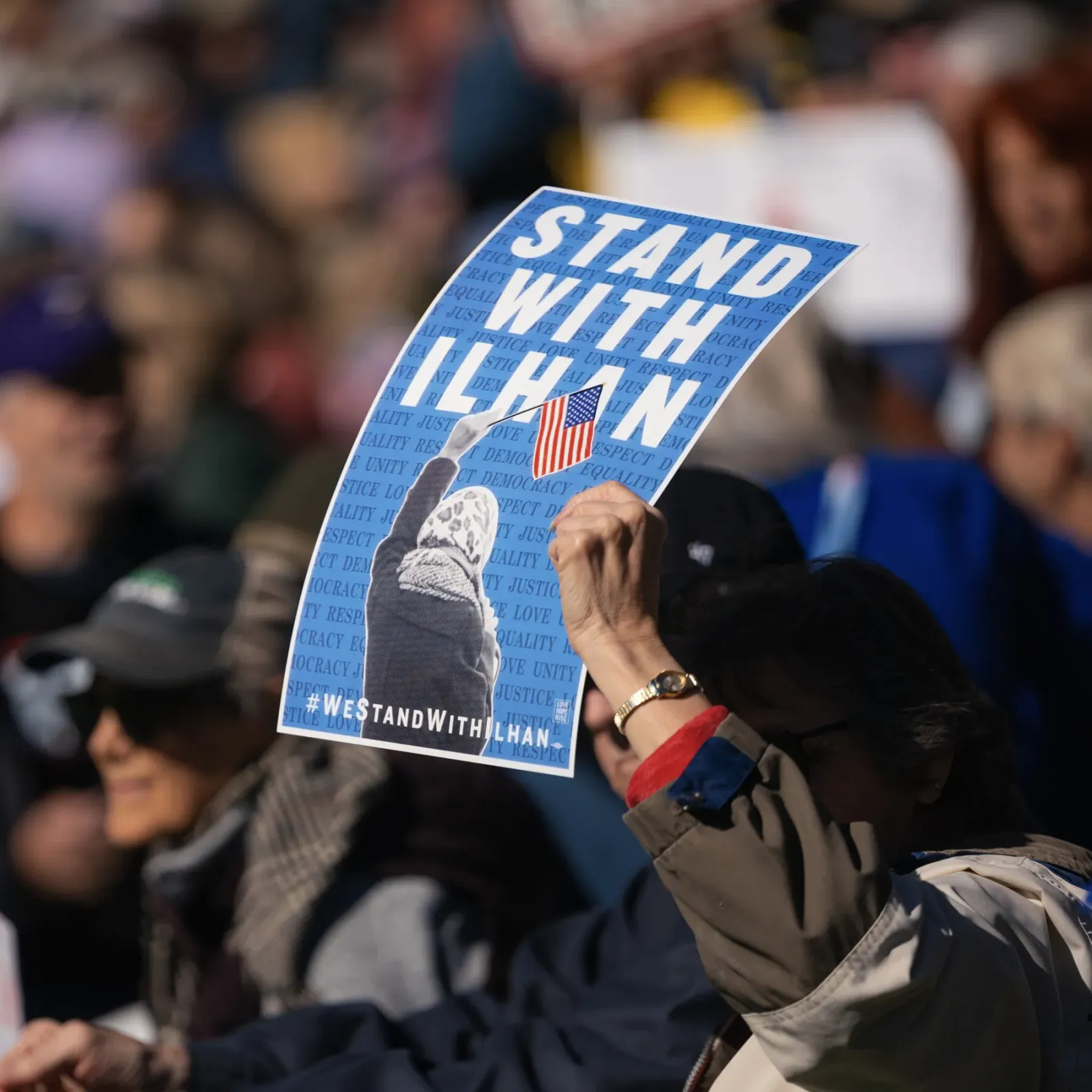
Obama Defends Ilhan Omar After Agents Search Her Home in Trump Inquiry
The former president's intervention raises the stakes in a federal probe into immigration paperwork that has put a prominent progressive lawmaker in the crosshairs.

Blair-era minister: cut welfare to fund youth job support
Alan Milburn's call for welfare cuts to fund employment support opens a Labour fight over benefits and the Neet crisis.
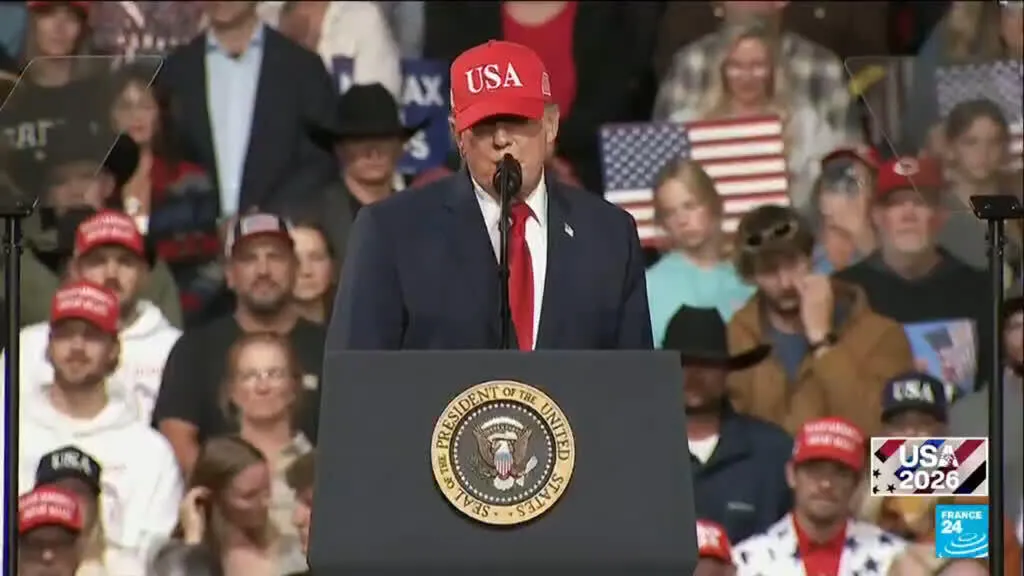
Hot September CPI: energy costs surge, voters feel the squeeze before midterms
The latest inflation print lands as Trump campaigns for GOP control of Congress, putting cost-of-living worries at the center of the midterm fight.