
Bill Gould confirms Faith No More’s 2027 reunion tour: “We’re gonna play”
The bassist says Faith No More will tour again next year for the first time in more than a decade, resetting the timeline for fans and the business around them.
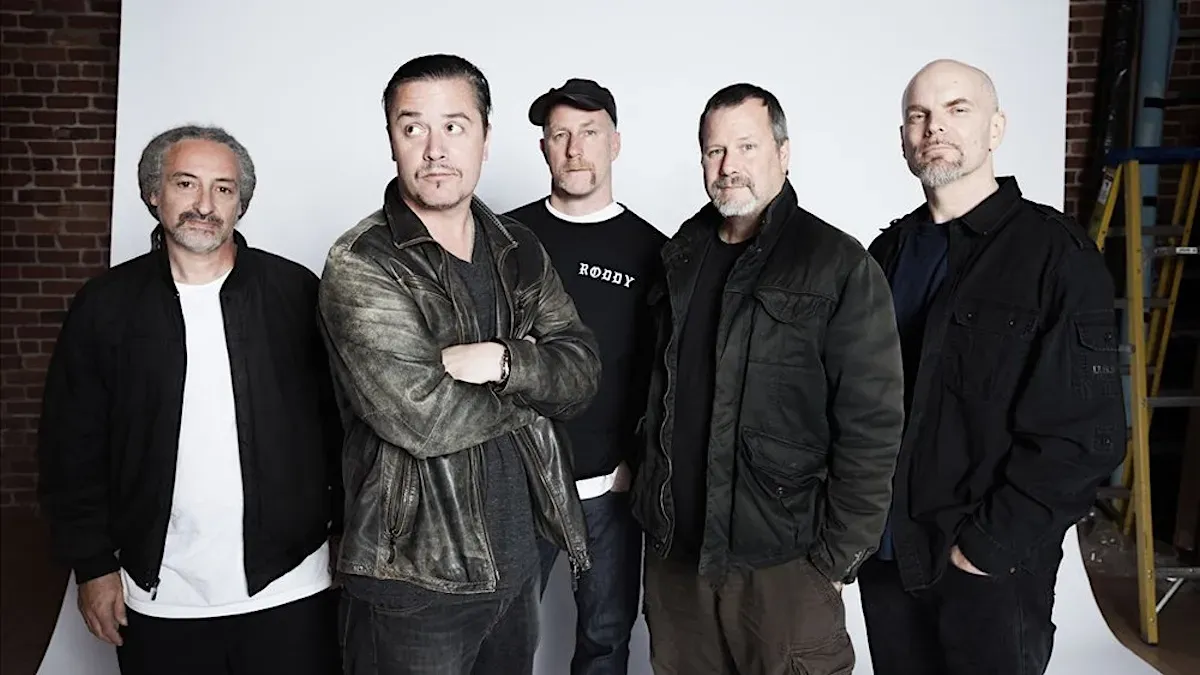
Faith No More bassist Bill Gould confirmed the band plans to tour again in 2027, beginning next year, on the newly launched podcast Rock Talk. For decision-makers in live events, the move has ripple effects on scheduling, revenue planning, and how quickly demand can reprice when a legacy act returns.
Bassist Bill Gould has confirmed Faith No More’s 2027 reunion tour, and his line is as plain as it gets: “We’re gonna play.” Gould said the band will tour for the first time in more than a decade beginning next year, following a social media tease that suggested Faith No More would return in 2027.
Gould made the announcement on the newly launched podcast Rock Talk, hosted by Jadranka Jankovic Nesic. In the interview, Gould responded to the question about the tease with the confirmation that Faith No More will actually be back on the road, marking the first sustained run in years for a band whose absence has been part of the story.
Why this matters beyond fandom is how reunion tours function in the live music economy. When a legacy band disappears from the touring calendar for more than a decade, the next return tends to behave less like a routine booking and more like a demand shock. Scarcity does the heavy lifting. Scarcity of supply, scarcity of moments to see the band, and scarcity of inventory on which promoters can build packages, sponsorships, and multi-show funnels.
Executives who track entertainment calendars know the practical problem: the moment a major act locks in dates, it forces competing stakeholders to scramble. Venues re-optimize schedules. Ticketing partners rebalance allocations. Promoters and promoters-adjacent teams think about what they can still sell if the market’s attention and wallets shift toward one headline name. Even if Faith No More’s announcement is not a regulated filing or a board decision, it changes the demand landscape people are underwriting in the same way a high-profile product launch can change retail inventory planning.
There is also a second-order effect that shows up quickly: reunion tours are often treated as “event commerce,” which means the revenue model extends beyond tickets. Historically, the leverage for tours comes from the whole stack, including VIP experiences, merchandise, partnerships, and content. When a band returns after a long gap, that stack tends to get more expensive to ignore, because buyers show up with a stronger willingness to spend. That creates pressure on everyone else in the category, especially artists booked into similar windows.
On the regulatory framing side, there is no indication in the source of any formal compliance action tied to this announcement. But the live sector is still shaped by rules that can affect timing and execution, including local permitting, safety requirements, and crowd-management standards. Those processes are not brand-specific. They are the boring infrastructure that turns a “we’re coming back” moment into a real schedule that cities can safely host. In other words, the confirmation from Gould may be a creative and commercial signal, but the operational reality still depends on how quickly the dates can clear the normal gatekeepers once the tour becomes concrete.
For decision-makers, the strategic question becomes timing and flexibility. If Faith No More truly begins touring in 2027, the market will start pricing expectations now, even before every date is finalized. Promoters and venues will want to understand whether this signals a broader pattern of legacy comebacks around the same time. Ticketing operators and their commercial partners will care about volatility, because reunion announcements can create both upside and cannibalization risk for other events nearby.
Finally, this is a reminder that confirmation is the difference between a rumor and a revenue plan. The source notes that a social media tease suggested a 2027 return, and Gould’s statement removes uncertainty. In boardrooms and budget meetings, uncertainty is what kills deals. A credible, named confirmation on a launched show like Rock Talk shifts the conversation from “maybe” to “now we build scenarios,” and that is the kind of clarity live businesses live and die for.
This story's Key Insights and Take-aways are locked.
Create a free account to unlock Executive Actions for one credit.
Register to UnlockAlways free for Executives Club members. Join the Club
More in Entertainment

Russell Brand's accuser 'bewildered and confused' as he denies 7 sex charges
The criminal case against the comedian is a live test of how media companies manage talent risk when serious allegations go public.

'It's a Magic Trick': Ballet Experts Say Rosalía's SNL Pose Is Impossible
Three ballet experts tell Rolling Stone Rosalía's gravity-defying SNL stillness shouldn't be possible - and why the debate is now part of the show.

Activision CMO: GTA 6 Will Boost Call of Duty, Not Bury It
Activision's top marketer says Rockstar's blockbuster will drive players back to consoles and into Modern Warfare 4, even as the company admits its recent strategy failed.