

Blizzard kills Overwatch Stadium mode support after Stadium hits ~3% of players
Game director Aaron Keller says no new Heroes or maps are coming, but balance and rewards remain.
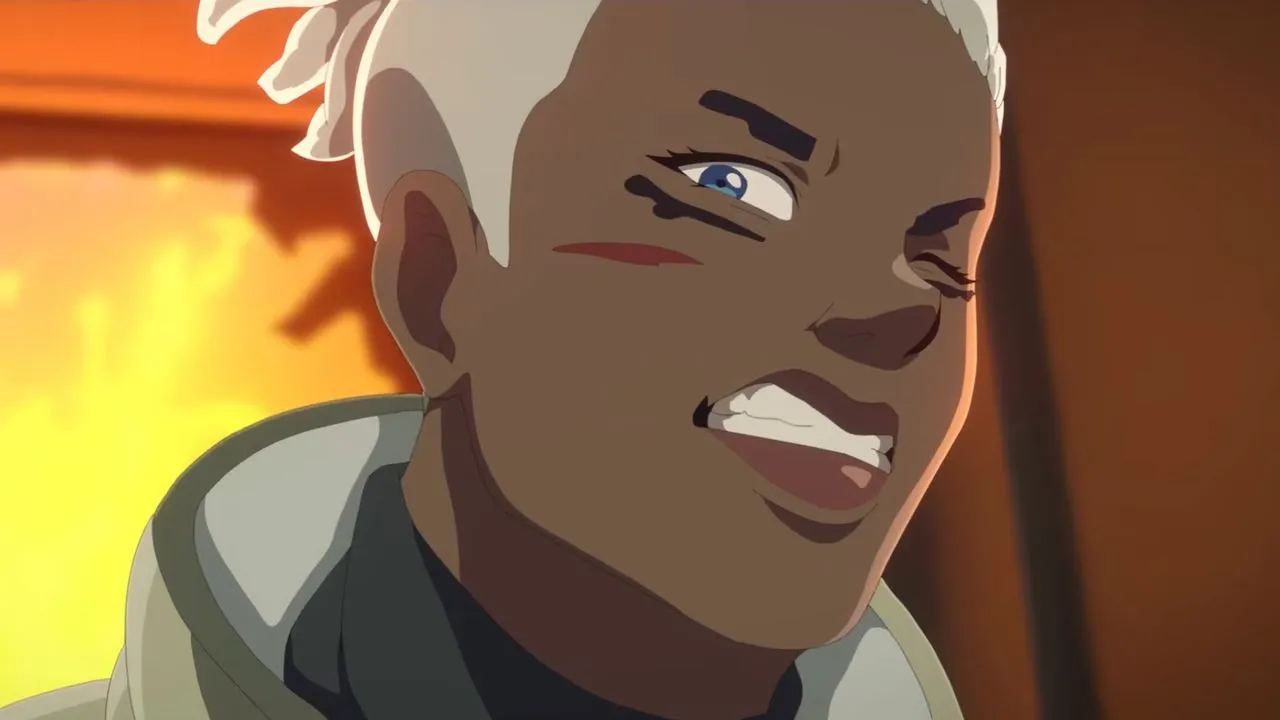
Blizzard, led by game director Aaron Keller, is ending support for Overwatch's MOBA-inspired Stadium mode because of low player participation. The change means Stadium will stop growing with new content, while Blizzard pivots its limited team time to two experimental 6v6 queue tests.
Blizzard is ending support for Overwatch's MOBA-inspired Stadium mode, and the reason is brutally simple: only about 3% of the player base is queuing into its ranked and unranked Stadium menus. In a blog post, game director Aaron Keller broke down Overwatch's modes by daily player share, and Stadium lands at the bottom of the list. The main 5v5 unranked queue pulls 54% of daily players, ranked 5v5 accounts for 34%, unranked open queue 6v6 takes 19%, and ranked open queue 6v6 sits at 8%. Even “unranked mystery heroes 6v6” limps in higher, at 4%. Stadium at 3% is the clearest signal Blizzard needed to conclude it is not worth expanding.
Keller says Blizzard will continue supporting Stadium, but with a narrower scope: seasonal balance updates, rank resets, and rewards. What won't happen is the part players probably notice most. “We're not planning on expanding Stadium with new Heroes or maps,” Keller writes. Instead, Blizzard is taking what it learned from building Stadium and applying those lessons, plus “those talented devs,” to future plans. In other words, Stadium is not being abandoned entirely. It is being frozen in place, kept stable for the few players who still show up, while the development runway gets reassigned.
This is a classic “long tail vs. core funnel” decision, and Overwatch is telling the story with its own numbers. Overwatch's current queue ecosystem is already structured around different levels of commitment and different team-building styles. The largest buckets are where the game compounds: the unranked 5v5 queue and ranked 5v5 queue. That matters because player counts do not just reflect preference, they also determine match quality, queue health, and what kinds of experiments can scale. If Stadium cannot reach the threshold of adoption needed to justify new content, the opportunity cost is immediate. New Heroes or new maps require art, design, testing, live-ops planning, and balancing across a mode's unique structure. When only a tiny slice of players (3%) is touching that ecosystem, Blizzard is effectively choosing to stop investing in a branch that does not move the main trajectory.
Keller's blog also reveals where Blizzard wants that freed-up capacity to go: two new experimental 6v6 modes planned for the back half of season 3. These experiments are explicitly aimed at Role Queue “tank experience,” match dynamics, and the volatility of team fights, while also addressing pain points with the current formats. The first test runs from July 16 through July 19. Blizzard calls it “Flex Queue,” and it turns Quick Play into a queue format where each team will always have at least one tank, three flex damage dealers, and two supports.
The twist is the swap mechanic. At any point in the match, one of the team's damage dealers can opt to swap into the tank role with a different hero. Keller frames the goal as reducing queue times and creating a “slightly more dynamic experience” compared with the regular 2-2-2 team makeup. He also says the experiment should offer a “more consistent” experience than open queue. But there is a tradeoff, and Keller calls it out directly: the potential social pressure for damage dealers to play tank. His specific question is whether distributing the burden among three damage players with more freedom to pick different Heroes will feel acceptable. Blizzard is hoping to find out.
The second experiment runs from July 28 to August 3 and is called “Dynamic Queue.” This mode blends Flex Queue and Role Queue elements. Here, the rules for team composition depend on how many people queue up for Tank, which Blizzard describes as its “current bottleneck.” Keller says to think of Flex Queue as a “release valve” for the 2-2-2 queue. The upside he anticipates is that it will often result in the most preferred format, 2-2-2. The downside is that losing consistency could make matches feel less competitive, and Blizzard will be keeping tabs on that.
This Stadium decision also fits the broader way live-service games manage risk. When a mode falls into a low-participation tier, continuing to add content can accidentally lock development teams into an execution treadmill that produces diminishing returns. Blizzard is not claiming Stadium is broken or low-quality. It is making a capacity allocation call based on participation: Stadium ranked and unranked queues together draw only 3% of players. That makes the strategic logic feel less like a dramatic “sunset” and more like portfolio management.
For executives and investors watching live gaming, the lesson is not “Stop supporting unpopular modes.” The lesson is how Blizzard justifies the pivot. It ties the decision to quantified engagement across modes, narrows the ongoing support to balance updates, rank resets, and rewards, and then reassigns talent toward experiments that attempt to improve core queue health. That is the tell. Blizzard is protecting the base while running targeted, time-boxed experiments to fix bottlenecks and team-fight volatility. If those tests work, the “Stadium” learnings may resurface in the more central formats, where the player base density can make new ideas matter.
And for players, Keller's ask is clear: try the experimental queues with an open mind. He notes the pace of fights and the general vibe will feel different, and he encourages people to spend time getting used to it and seeing whether their initial reactions change over the mode's duration. Stadium will still exist. It just won't grow. Meanwhile, the next 6v6 experiments are the real battlefield for Blizzard's attention in season 3.
(Separate news noted in the same source: Overwatch “escapes 'Mostly Negative' Steam reviews 3 years after becoming the worst-rated game on Valve's store,” with a line that says, “In 2026, we finally got back to just Overwatch.”)
This story's Key Insights and Take-aways are locked.
Create a free account to unlock Executive Actions for one credit.
Register to UnlockAlways free for Executives Club members. Join the Club
More in Entertainment

12TB Steam 'teraleak' goes beyond Valve: GTA 3, Mafia 2 prototypes exposed
A 12-terabyte dump of Steam data reveals prototypes and builds of third-party classics like GTA 3 and Mafia 2, plus unreleased Valve content, rewriting game history.

LinkedIn's romance problem: 1 in 4 workers say dating on it is fair game
A new survey shows a quarter of U.S. employees treat the professional network as fair game for romance, even as LinkedIn bans it and removes hundreds of thousands of offending posts.

Enhypen's first No. 1 album breaks K-pop's Billboard 200 streak
The K-pop group's 98,000-unit debut tops the chart while Dolly Parton's catalog reentry shows how death reshapes streaming.