
UFC books Shanghai on August 29, banking on homegrown Song Yadong to crack China
The UFC swings from the White House to Shanghai, betting its next Fight Night can turn Chinese attention into momentum.
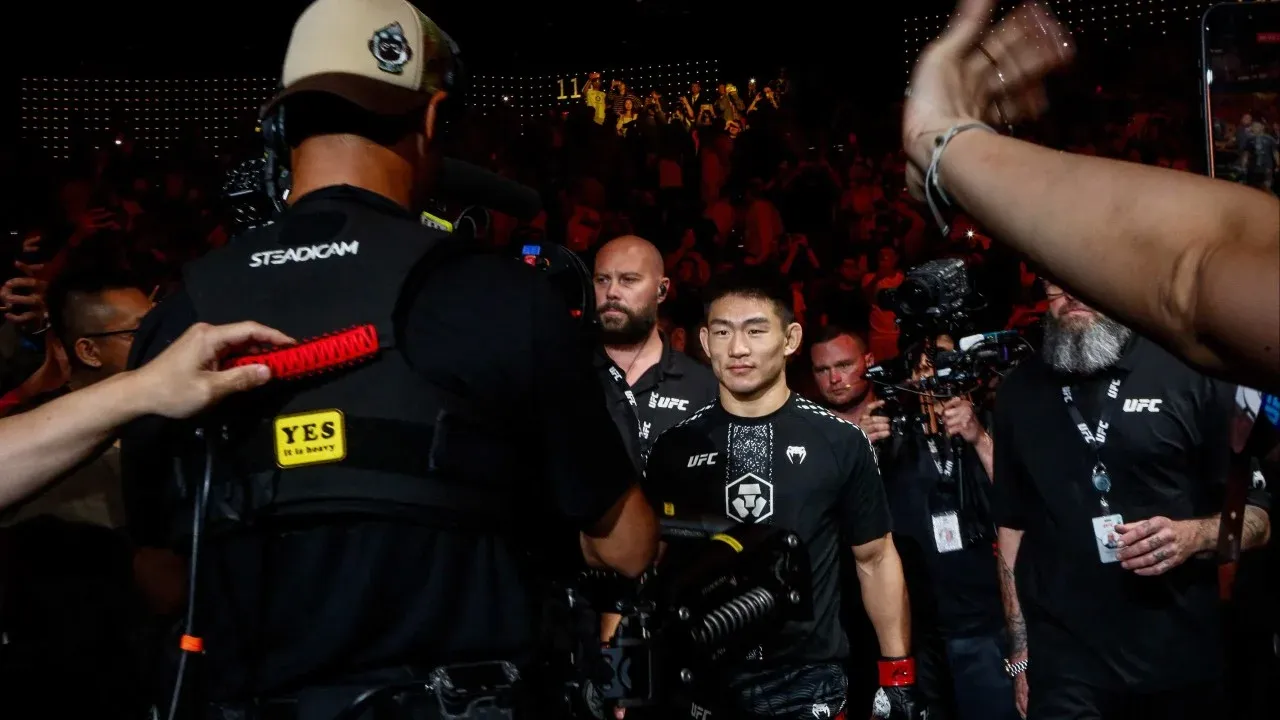
UFC will hold a tournament in Shanghai next month and, on August 29, host its second consecutive Fight Night event featuring China’s Song Yadong. The move is part of American sports leagues expanding into China’s leisure and entertainment market.
UFC is taking a very public swing at China. It is set to hold a tournament in Shanghai next month, and it has already locked in August 29 for its second consecutive Fight Night event in the country, featuring China’s Song Yadong.
This is not happening in a vacuum. Weeks after UFC Freedom 250 was staged at the White House, UFC has shifted the spotlight from a high-profile US venue to the world’s leading leisure and entertainment market, signaling that the organization wants more than headline novelty. It wants sustained viewership, sponsorship pull, and a credible local connection fast.
From a business perspective, the logic is straightforward: China is where entertainment dollars scale, and US sports properties are trying to be “exportable” not just in terms of broadcasting, but also in terms of local relevance. The SCMP piece frames UFC’s Shanghai booking as part of a broader effort by American sports leagues to tap into China’s leisure and entertainment market. In other words, this is a portfolio move, not a one-off curiosity.
But the real challenge is that “having a big name” is rarely enough when you enter a market with complex local expectations and regulatory friction. Mixed martial arts sits at the intersection of sport, spectacle, and combat content, which means the path to repeat events usually depends on navigating approvals, rights, venue coordination, and what local partners believe audiences will accept and regulators will tolerate. That is why UFC’s choice of a homegrown contender like Song Yadong matters beyond fandom. A local figure can reduce the “imported event” feel and help sell the event as something Chinese audiences already recognize as belonging.
Song Yadong’s presence on the Aug. 29 Fight Night card also changes how sponsors and partners think. Broadly, brands want events that deliver attention and credibility, not just American star power. Local competitors can serve as a bridge between global sports marketing and local identity, making it easier for sponsors to justify spend and for partners to position the event in local channels. For executives evaluating media rights or event partnerships, that can be the difference between a one-time experiment and an event series that becomes part of the calendar.
UFC’s sequencing also says something about momentum. The Freedom 250 reference matters because it shows UFC is willing to anchor major moments in US political and cultural symbolism, then immediately chase a different kind of attention elsewhere. Staging UFC Freedom 250 at the White House created a global “event gravity” moment. Shifting that energy into Shanghai suggests the promoter is treating the China push as an extension of its broader brand strategy, with Fight Night events as the repeatable format.
There is also a board-level implication here for anyone in sports, media, or live entertainment. Cross-border expansion into China tends to be iterative and relationship-driven, not purely performance-driven. That means the governance questions are different: How quickly can the company build the local partner network? How resilient is the event business if approvals, scheduling, or audience reception do not go as planned? And how should leadership measure success early, when the market is large but the path to “always on” is rarely immediate?
For peers watching UFC, the strategic stakes are clear. If UFC can make Shanghai work with a homegrown contender and keep the Fight Night streak going, it strengthens the case that combat sports can be scaled internationally in a structured, repeatable way. If it cannot, the cost is not just financial. The reputational risk is real, and the opportunity cost is sharper: in a market where American sports leagues are already competing for leisure and entertainment share, being first is not enough. You need proof of staying power. UFC’s next test, locked to August 29 and anchored by Song Yadong, is designed to generate exactly that proof.
This story's Key Insights and Take-aways are locked.
Create a free account to unlock Executive Actions for one credit.
Register to UnlockAlways free for Executives Club members. Join the Club
More in Entertainment

12TB Steam 'teraleak' goes beyond Valve: GTA 3, Mafia 2 prototypes exposed
A 12-terabyte dump of Steam data reveals prototypes and builds of third-party classics like GTA 3 and Mafia 2, plus unreleased Valve content, rewriting game history.

LinkedIn's romance problem: 1 in 4 workers say dating on it is fair game
A new survey shows a quarter of U.S. employees treat the professional network as fair game for romance, even as LinkedIn bans it and removes hundreds of thousands of offending posts.

Enhypen's first No. 1 album breaks K-pop's Billboard 200 streak
The K-pop group's 98,000-unit debut tops the chart while Dolly Parton's catalog reentry shows how death reshapes streaming.